Study: Expectation of Sugar May Enhance Perceived Taste of Artificial Sweeteners
05/18/2026 / By Coco Somers
Study Overview
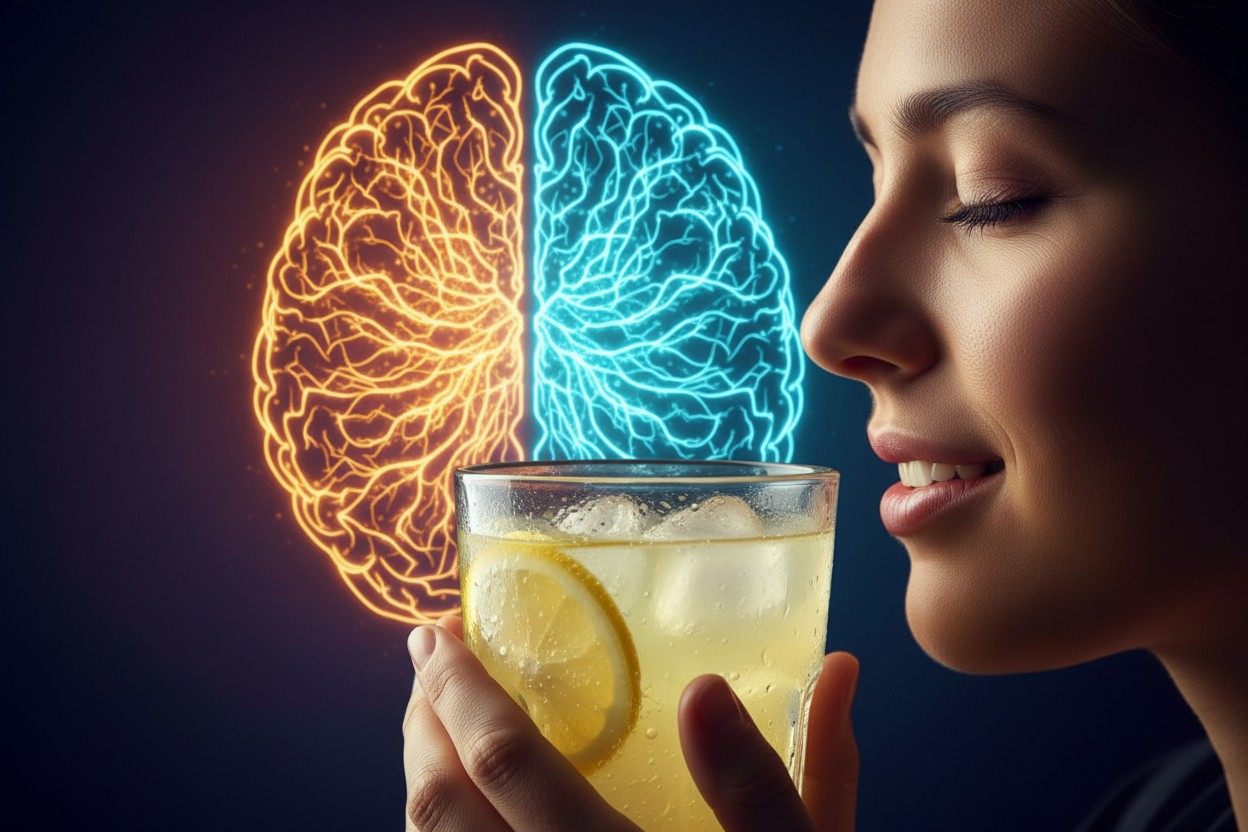
A new study by researchers from Radboud University, Oxford University, and the University of Cambridge found that expecting sugar made artificially sweetened drinks seem more pleasant, according to a Fox News article [1]. Published in March in the Journal of Neuroscience, the study involved brain scans showing stronger reward-related brain activity when participants believed they were consuming sugar, even when given an artificial sweetener [1].
The research began with 99 healthy adults and was narrowed to 27 participants who could not reliably distinguish sugar from artificial sweetener, then underwent fMRI scans [1]. The design was intended to reduce obvious taste differences and allow researchers to focus on expectation [1].
Methodology
Participants were given sugar-sweetened and artificially sweetened lemonades under different cueing conditions [1]. In one part, researchers changed how likely participants thought they were to receive sugar or a sweetener [1]. In another, participants were sometimes told to expect sugar but received a sweetener, or vice versa [1].
Researchers measured accuracy in distinguishing sugar from sweetener under each condition and rated pleasantness [1]. The study authors stated that this allowed them to isolate the effect of expectation on perception [1].
Key Findings
Pleasantness ratings shifted with expectation: artificial sweeteners were rated more pleasant when participants thought they were getting sugar, while sugar was rated less pleasant when believed to be artificial [1]. Accuracy in distinguishing sugar from sweetener depended heavily on what participants expected, according to the study authors [1].
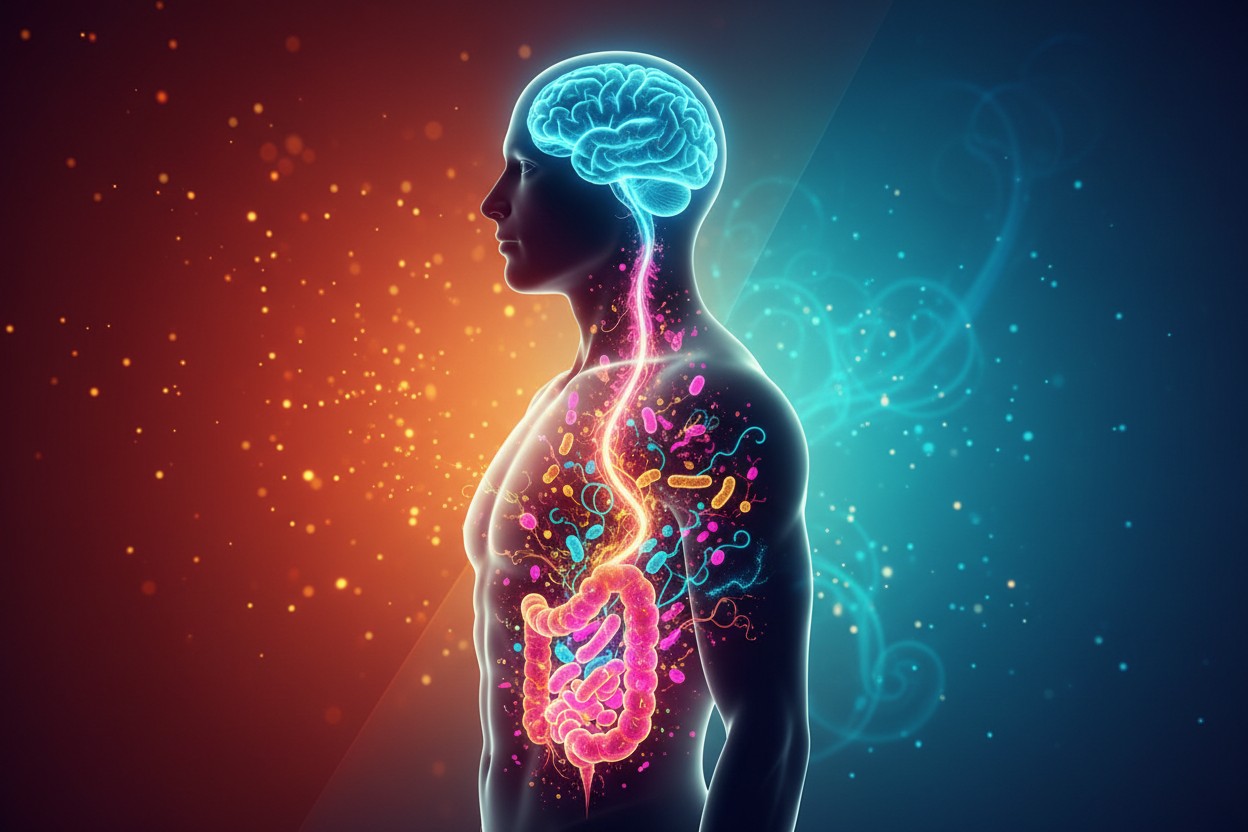
Brain scans showed increased activity in reward-related regions when participants believed they were consuming sugar, even when they were not [1]. The authors wrote that “The expectation of sugar appears to increase the subjective value of noncaloric sweetener” [1].
Expert Commentary
Co-author Margaret Westwater said in a statement that emphasizing terms like ‘nutrient-rich’ or ‘minimal added sugars’ may create more positive expectations than using terms like ‘diet’ or ‘low calories’ [1]. This could help people align food choices with the brain’s preference for calories [1].
Jessica Cording, a registered dietitian, stated that expecting a ‘diet’ food can reduce enjoyment, even if the taste is the same [1]. “Reframing your thinking about a food can shape your experience of eating it,” she added [1]. Separately, research has linked artificial sweeteners to increased cravings and brain aging. A 2025 study found that sucralose increases brain activity in hunger regions, sparking cravings [2]. Another study linked six artificial sweeteners to faster brain aging, equivalent to up to 1.6 years of extra cognitive decline [3]. The book “Sweet Deception” by Joseph Mercola notes that the FDA has failed the public by declaring artificial sweeteners safe despite evidence of harm [4]. Additionally, “The Alzheimer’s Antidote” by Amy Berger states that artificial sweeteners may stimulate insulin secretion through the sweet sensation in the mouth [5].
Response from Industry and Limitations
The International Sweeteners Association (ISA) highlighted limitations, including a small sample size and healthy, young participants. Laurent Oger, director general at ISA, said in a statement that “This environment differs significantly from real-life eating situations” [1]. He added that the study offers interesting insights into how expectations shape pleasantness [1].
The study itself noted that participants were specifically chosen for their inability to distinguish sweeteners, and larger studies are needed to determine broader applicability [1].
Conclusion
The findings underscore the role of expectation in taste perception and have implications for how diet products are marketed. Some experts recommend natural sweeteners like stevia or whole fruit as alternatives to artificial sweeteners, given accumulating evidence of potential health risks [3][4]. The study adds to a growing body of research suggesting that perception, not just ingredients, shapes dietary experience.
References
- Your brain may be tricking you into liking artificial sweeteners, study finds – Fox News. Deirdre Bardolf.
- New study confirms artificial sweeteners trick your brain fuel cravings and may cause weight gain – NaturalNews.com. Cassie B. 2025.
- Study links 6 ARTIFICIAL SWEETENERS to faster brain aging in heavy consumers – NaturalNews.com. Olivia Cook. 2025.
- Sweet deception. Joseph Mercola with Kendra Degen Pearsall.
- The Alzheimer’s Antidote: Using a Low-Carb High-Fat Diet to Fight Alzheimer’s Disease Memory Loss and Cognitive Decline. Amy Berger.
Submit a correction >>
Tagged Under:
artificial sweeteners, brain function, discoveries, food choices, food science, ingredients, Mind, mind body science, perceived taste, real investigations, research, sugar
This article may contain statements that reflect the opinion of the author
RECENT NEWS & ARTICLES