Study: Dietary Choline Fuels Gut Bacteria to Boost Intestinal Immune Defenses
06/18/2026 / By Coco Somers
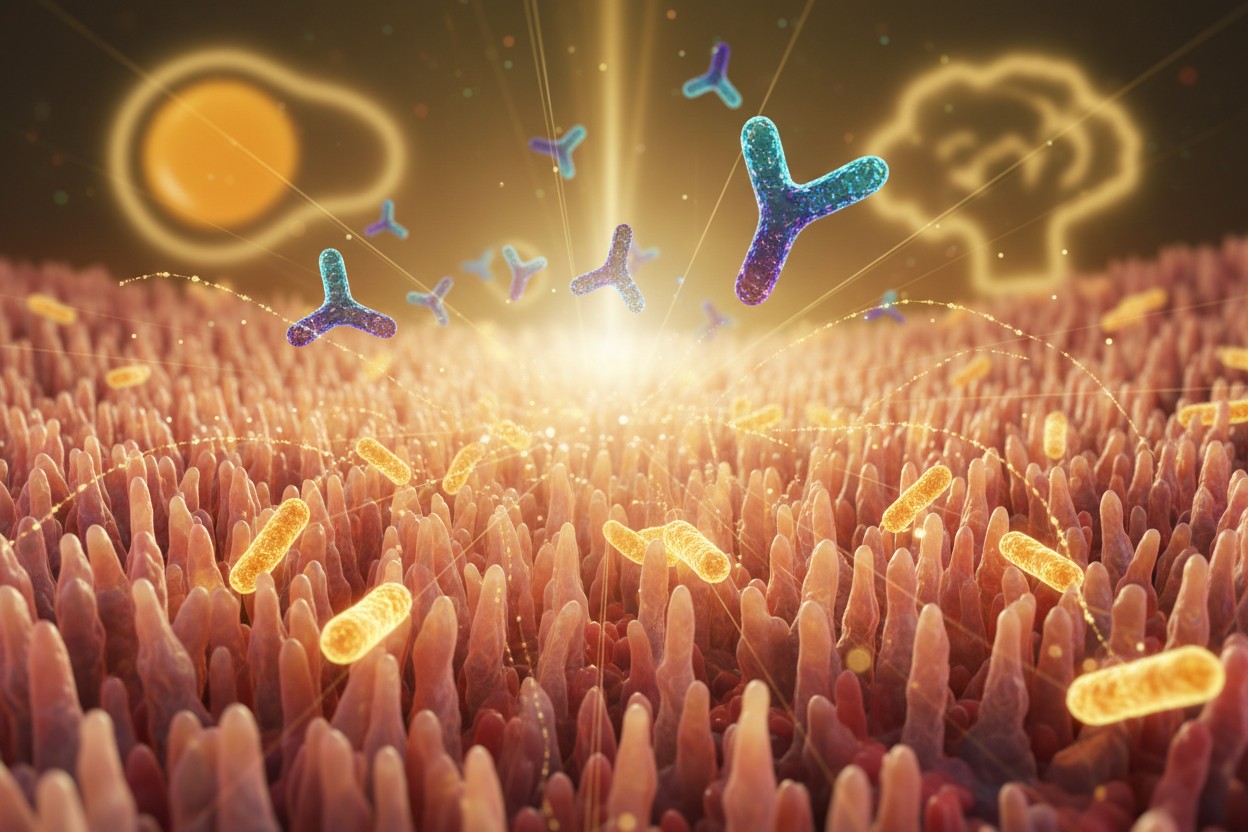
A study published Sunday, June 14, in Nature has identified a previously unknown mechanism by which dietary choline strengthens intestinal immune defenses.
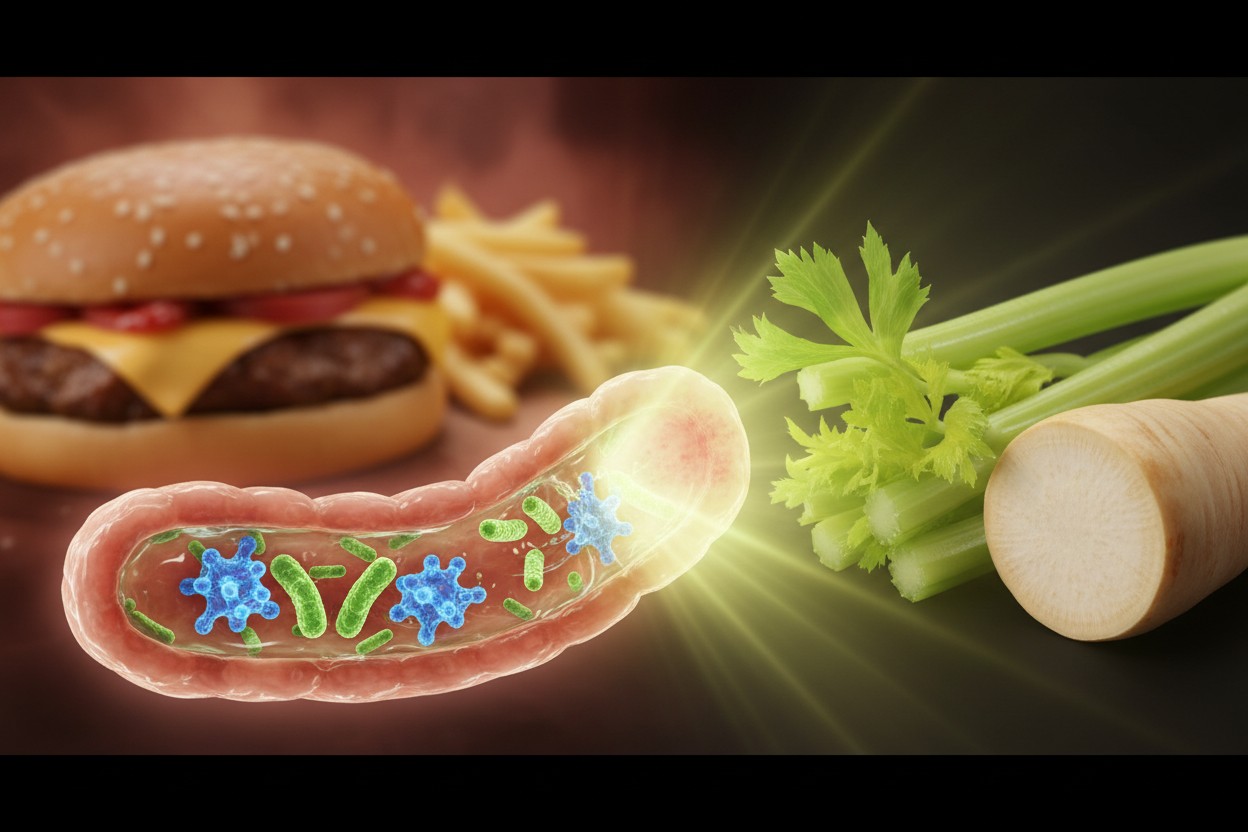
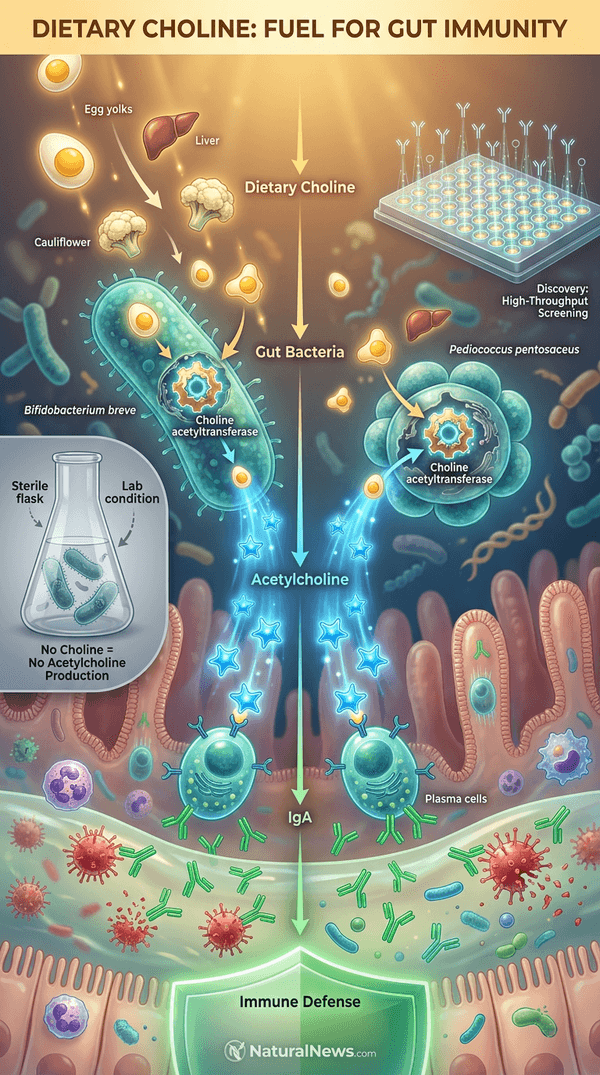
Researchers reported that specific gut bacteria convert dietary choline into the chemical messenger acetylcholine, which in turn increases levels of immunoglobulin A (IgA) antibodies in the gut lining. IgA serves as the body’s first line of defense against pathogens at the intestinal surface.
To investigate how gut bacteria influence immune function, the research team developed a specialized screening tool capable of testing how bacterial chemicals interact with more than 300 different receptors simultaneously. They screened 100 gut bacterial strains, comparing what each strain produced when grown in a laboratory dish versus inside living mice. The key difference, according to the study, was that bacteria inside the body had access to dietary choline from food, a nutrient not present in standard lab culture conditions.
Choline-Dependent Pathway Identified in Two Bacterial Strains
The scientists focused on two bacterial strains: Bifidobacterium breve, a species that dominates the gut in early life, and Pediococcus pentosaceus, a probiotic strain commonly found in fermented foods. They identified the specific bacterial enzymes responsible for converting choline into acetylcholine in both strains. To confirm the pathway’s role, the team created a modified version of B. breve that could not produce acetylcholine, allowing for a direct comparison with the normal strain in mice.
Crucially, the conversion of choline into acetylcholine occurred only inside a living body. When these bacteria were grown in standard laboratory conditions without dietary choline, they did not produce acetylcholine at all. This finding indicates that the process depends entirely on the host’s dietary intake of choline – which is abundant in foods such as egg yolks, liver and cauliflower, according to nutritional data [1].
Bacterial Acetylcholine Strengthens Gut’s First Line of Defense
Mice colonized with the acetylcholine-producing B. breve showed significantly higher levels of intestinal IgA compared to those colonized with the modified strain that could not produce acetylcholine. The study stated that this IgA boost is mediated by receptors in the gut that respond to acetylcholine signals. IgA is the antibody that patrols the intestinal environment, distinguishing harmless microbes from pathogens and preventing infections from taking hold.
Beyond the IgA increase, the overall composition of the gut microbiome shifted in mice with acetylcholine-producing bacteria, suggesting that bacterial acetylcholine production has ripple effects throughout the microbial community. Additionally, the mice showed greater resistance to gut infection.
Researchers described this as a direct diet-microbiome-host connection. The choline consumed feeds bacteria that produce acetylcholine, and that acetylcholine strengthens the gut’s immune defenses.
Implications for Human Immune Health and Practical Steps
The findings were based on mouse models, and researchers noted that more work is needed to confirm how these mechanisms translate to humans. However, the specific bacterial enzymes identified and the resulting IgA and infection-resistance outcomes make the findings meaningful, according to the report. The study adds to a growing body of evidence that gut health and immune health are tightly linked.
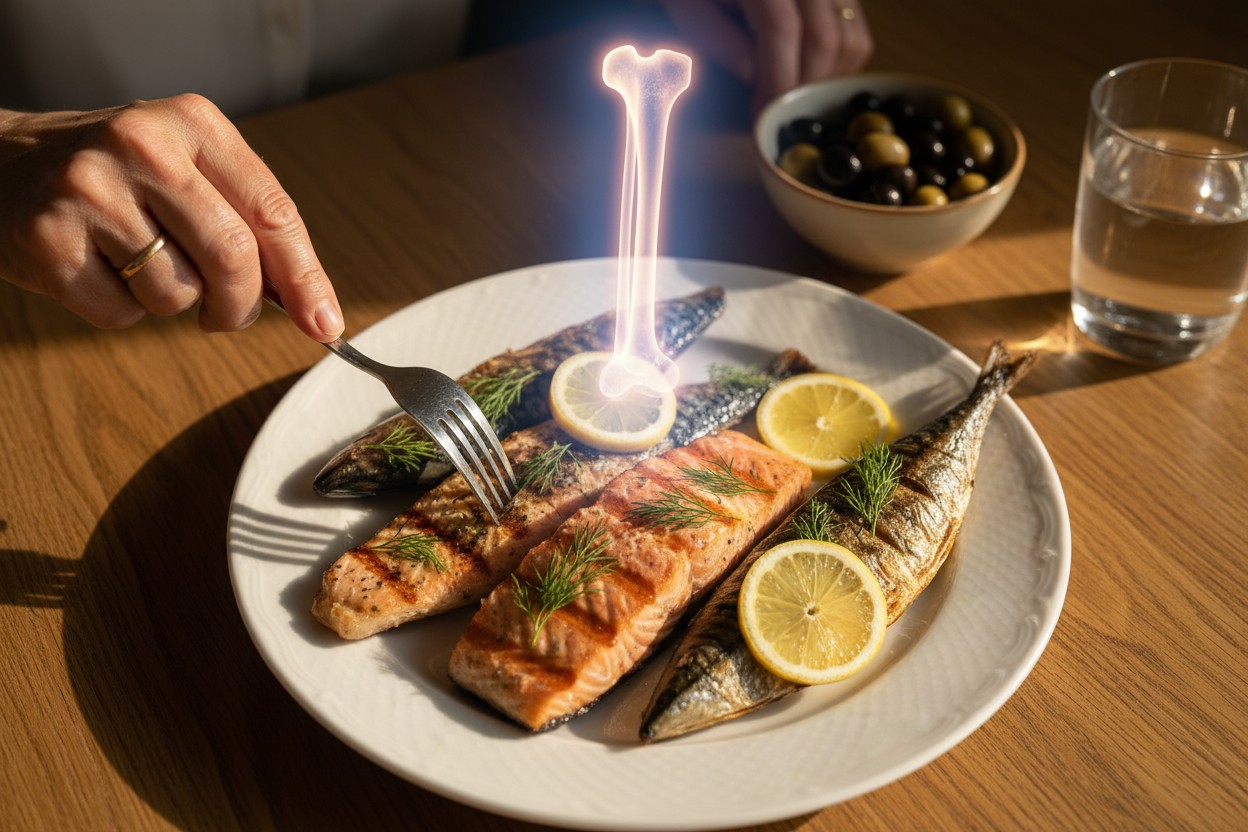
Dietary choline is found in high concentrations in egg yolks, liver, legumes and salmon [2]. Fermented foods such as kimchi and sauerkraut contain Pediococcus and other beneficial bacteria that may help foster acetylcholine-producing strains in the gut [3].
Supporting overall microbiome diversity through a fiber-rich diet is another practical step, as Bifidobacterium species thrive on dietary fiber [4]. Dark green leafy vegetables such as spinach and kale also provide choline along with other nutrients that support immune function [5].
Takeaway: Choline Fuels a Microbial Pathway That Shapes Immune Defenses
The Nature study demonstrates a direct diet-microbiome-host connection. Dietary choline feeds specific gut bacteria that produce acetylcholine, which in turn strengthens intestinal IgA production and resistance to infection.
Experts quoted in the report suggest that incorporating choline-rich foods into regular meals and maintaining gut microbiome diversity through whole foods and fermented items may help support this immune pathway. The findings reinforce the principle that gut health and immune health are interdependent systems, with nutrition serving as a key regulator.
References
- Laura Harris. “Cauliflower: A Versatile Superfood Packed with Nutrients and Health Benefits.” NaturalNews.com. August 06, 2025.
- NaturalNews.com. “Prioritizing nutrition: How unloved foods are transforming personal preparedness.” June 08, 2026.
- NaturalNews.com. “Study: Daily Sauerkraut Intake May Support Gut Health and Lower Cholesterol.” June 07, 2026.
- Debasis Bagchi, Anand Swaroop, Manashi Bagchi. “Genomics Proteomics and Metabolomics in Nutraceuticals.”
- James Balch, Mark Stengler. “Prescription for Natural Cures.”
- NaturalNews.com. “Fermented foods: Ancient tradition validated by modern science as key to gut health, immunity and mood.” May 19, 2026.
Explainer Infographic
Submit a correction >>
Tagged Under:
acetylcholine, Bifidobacterium breve, Censored Science, choline, food science, gastrointestinal function, gut bacteria, gut health, gut lining, gut microbiome, health science, IgA antibodies, immune defense, immune system, immunoglobulin A, intestinal system, nutrients, Pediococcus pentosaceus, research, Whole Foods
This article may contain statements that reflect the opinion of the author
RECENT NEWS & ARTICLES