8 Whole grains show promise in lowering cholesterol, experts urge dietary shift
06/18/2026 / By Ava Grace
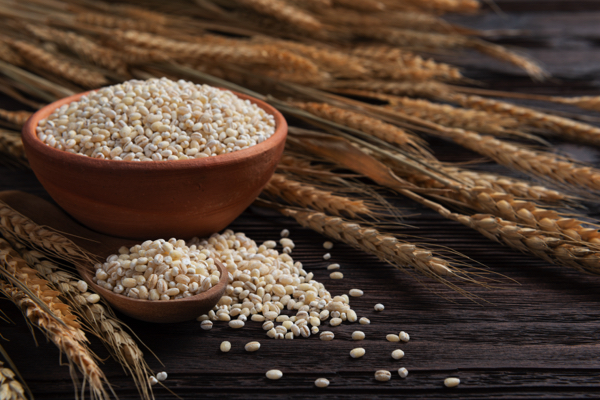
- Eight specific whole grains (barley, oats, farro, quinoa, bulgur, buckwheat, millet and amaranth) contain soluble fiber, particularly beta-glucan, which binds to LDL cholesterol in the digestive tract and flushes it from the body.
- Oats are the most studied, with a half-cup providing over four grams of fiber and a clinical trial showing a 10% LDL reduction in just two days. Barley is an even more potent source of beta-glucans and also supports heart health by feeding beneficial gut bacteria.
- Quinoa, amaranth and buckwheat (technically seeds) lower cholesterol and offer additional benefits—quinoa provides complete protein, amaranth contains iron and magnesium and buckwheat includes the antioxidant rutin to improve blood vessel function.
- Bulgur is highly nutrient-dense due to minimal processing, offering nearly nine grams of fiber per half-cup. Farro provides plant protein and magnesium, which are critical for cholesterol metabolism and blood sugar control.
- Experts recommend simple substitutions like oatmeal or quinoa porridge for breakfast, adding cooked farro or barley to salads and using bulgur or millet instead of white rice. Consistency is key to achieving sustained LDL cholesterol reduction.
A growing body of research is pointing to a simple, affordable tool in the fight against high cholesterol: the humble whole grain. A new analysis highlights eight specific grains—barley, oats, farro, quinoa, bulgur, buckwheat, millet and amaranth—that contain unique fibers capable of binding to cholesterol molecules and flushing them from the body. This news arrives as nearly two in five American adults struggle with elevated cholesterol, a primary driver of heart disease.
The mechanism is powerful. Soluble fiber, particularly beta-glucan found in oats and barley, acts like a sponge in the digestive tract. It physically binds to LDL cholesterol, preventing it from being reabsorbed into the bloodstream and carrying it out as waste.
The oat advantage: A proven performer
Oats remain the most studied grain for cholesterol management. Each half-cup serving of uncooked rolled oats provides over four grams of fiber. A recent clinical trial found that consuming an oat-rich diet for just two days led to an average 10% reduction in LDL cholesterol. Oats offer a natural, food-based approach to lowering lipid levels, making them a first-line recommendation for those with borderline high cholesterol.
Barley and the gut connection
Barley stands out as perhaps the most potent source of beta-glucans, containing even higher concentrations than oats. Beyond direct cholesterol binding, new research suggests barley supports heart health through the gut microbiome. The complex fibers feed beneficial gut bacteria, promoting a healthier digestive ecosystem linked to reduced inflammation and improved lipid metabolism. Consumers should look for whole barley, which retains more bran and germ for maximum benefit.
Ancient grains return: Quinoa, amaranth and buckwheat
Three grains that are technically seeds—quinoa, amaranth and buckwheat—are gaining attention for their cholesterol-lowering properties. Regular quinoa consumption is associated with lower total cholesterol and triglycerides, packing nearly six grams of fiber per half-cup serving along with complete protein. Amaranth offers significant doses of fiber, ironand magnesium, with laboratory research suggesting it lowers cholesterol through multiple pathways. Buckwheat, naturally gluten-free, contains the antioxidant rutin, which clinical trials show can improve blood vessel function and reduce arterial plaque buildup.
The wheat relatives: Farro and bulgur
For those who tolerate gluten, bulgur is one of the most nutrient-dense foods available. Because it undergoes minimal processing, it retains the entire wheat bran layer, resulting in nearly nine grams of fiber per half-cup serving—making it highly effective at binding cholesterol. Farro, an ancient wheat grain with a chewy texture, provides substantial plant protein and magnesium, critical for cholesterol metabolism and blood sugar control.
Millet’s silent success
Often overlooked in Western diets, millet is a gluten-free grain widely consumed in Asia and Africa. A comprehensive review found that eating millet-based foods for several weeks can lower total and LDL cholesterol while slightly increasing good HDL cholesterol. Millet is rich in B vitamins, iron and antioxidants and is drought-resistant, making it a dual solution for nutrition and agricultural sustainability.
Historical context and the modern problem
For most of human history, grains were consumed in their whole form. The industrial revolution changed this dramatically. The invention of steel roller mills allowed millers to strip away the bran and germ to produce refined white flour with a longer shelf life. This process removed the vast majority of fiber, vitamins and minerals. By the mid-20th century, refined grains dominated supermarket shelves and rates of heart disease rose in tandem.
Start at breakfast with oatmeal or quinoa porridge instead of sugary cereals. Add cooked farro, barley or quinoa to salads. Use bulgur or millet as a base for grain bowls in place of white rice. The key is consistency: eating whole grains regularly provides the sustained soluble fiber needed to lower LDL cholesterol.
From well-studied oats and barley to emerging data on amaranth and millet, whole grains offer a multifaceted approach to cholesterol management. They bind cholesterol directly, improve gut health and supply minerals critical for cardiovascular function. These grains also share an economic advantage, being inexpensive and widely available.
“Grains are important because they are the seeds of grasses that provide essential nutrients like protein, fiber and B vitamins, which are vital for health,” said BrightU.AI‘s Enoch. “However, milling and refining processes often remove the nutrient-rich germ and bran layers, diminishing their nutritional value. Understanding this helps us make informed choices about which grains to include in our diet for optimal health.”
For those willing to shift their plates back toward tradition, the evidence is clear: whole grains can bind cholesterol, protect the heart and restore a balance that modern processing has long disrupted.
Watch and discover the health benefits of organic beans and whole grains.
This video is from the Health Ranger Store channel on Brighteon.com.
Sources include:
Submit a correction >>
Tagged Under:
#nutrition, amaranth, barley, buckwheat, bulgur, diet, digestion, Enzymes, essential nutrients, farro, food science, grocery, gut health, millet, natural health, nutrients, oats, organics, Quinoa, sprouted grains
This article may contain statements that reflect the opinion of the author
RECENT NEWS & ARTICLES