Study Links Ultraprocessed Foods to Cognitive Decline; Processed Meat Shows Strongest Association
06/21/2026 / By Coco Somers
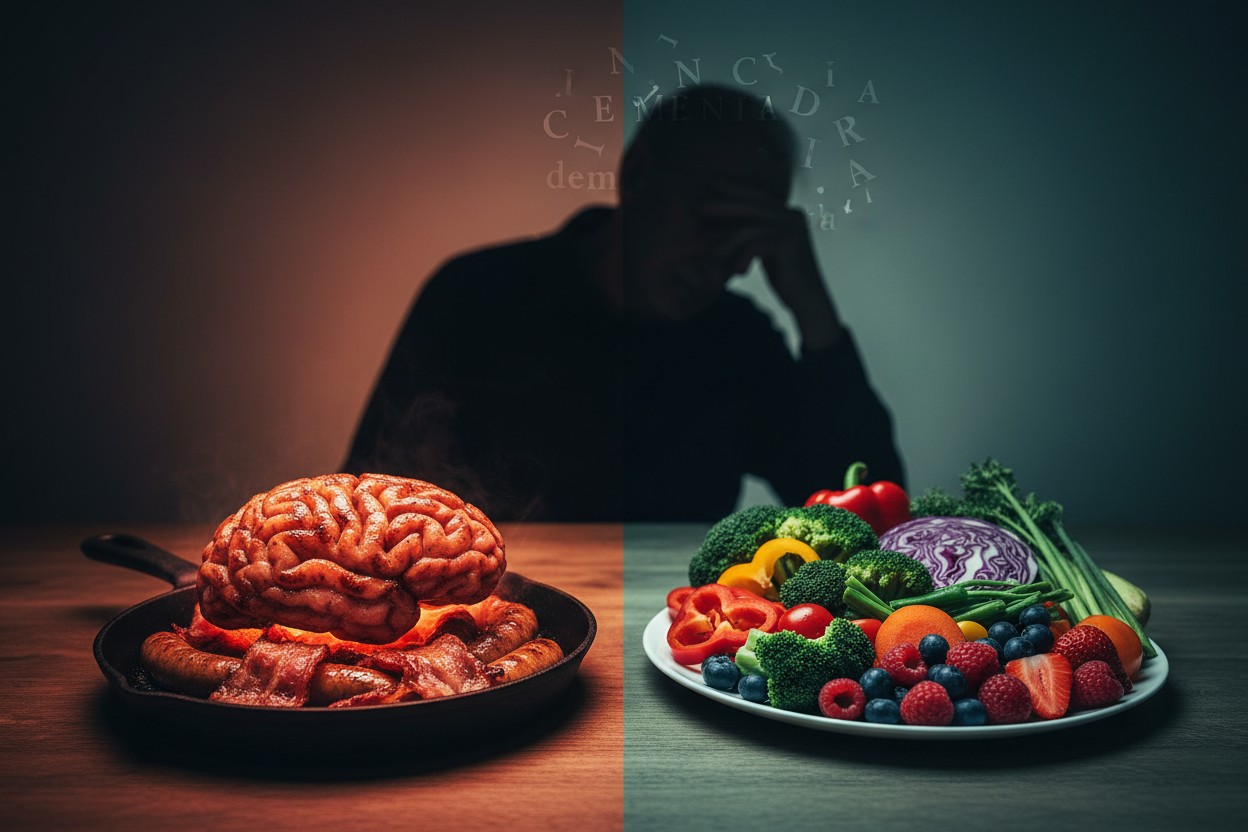
A study published in the American Journal of Public Health found that older adults who consume higher amounts of ultraprocessed foods (UPFs) face an increased risk of cognitive impairment and dementia, with processed meat showing the strongest association among food categories, according to the report.
The findings add to a growing body of evidence linking highly processed foods to brain health deterioration, researchers said. According to the study, which analyzed data from the Health and Retirement Study, participants with higher UPF intake had significantly greater risk of both cognitive impairment with no dementia (CIND) and dementia.
Approximately 61% of calories in the average American diet come from UPFs, according to previous research [1]. A 2022 study presented at the Alzheimer’s Association International Conference also linked processed food consumption to negative effects on brain function [2].
Study Design and Methods
Researchers analyzed data from the Health and Retirement Study, a nationally representative survey conducted by the University of Michigan that tracks older Americans every two years, according to the report. Participants were 50 or older at enrollment, cognitively healthy at baseline and followed for an average of 17.5 years, as described in related research using the same dataset [3].
UPFs were classified using the NOVA system, which groups foods based on the degree of industrial processing rather than nutrient content alone, the study stated. Cognitive outcomes were measured across two categories: cognitive impairment with no dementia and dementia.
The study adjusted for factors including demographics, physical activity, smoking and overall caloric intake, according to the report. UPFs have previously been linked to accelerated cognitive decline [4].
Key Findings: Higher UPF Intake Linked to Cognitive Risk
Participants with higher UPF consumption had a significantly greater risk of both CIND and dementia compared to those with lower intake, the study reported. A 2026 systematic review of 14 studies found that 78.5% of studies reported a significant association between higher UPF consumption and poorer cognitive outcomes, including deficits in memory, executive function and global cognition, according to the report.
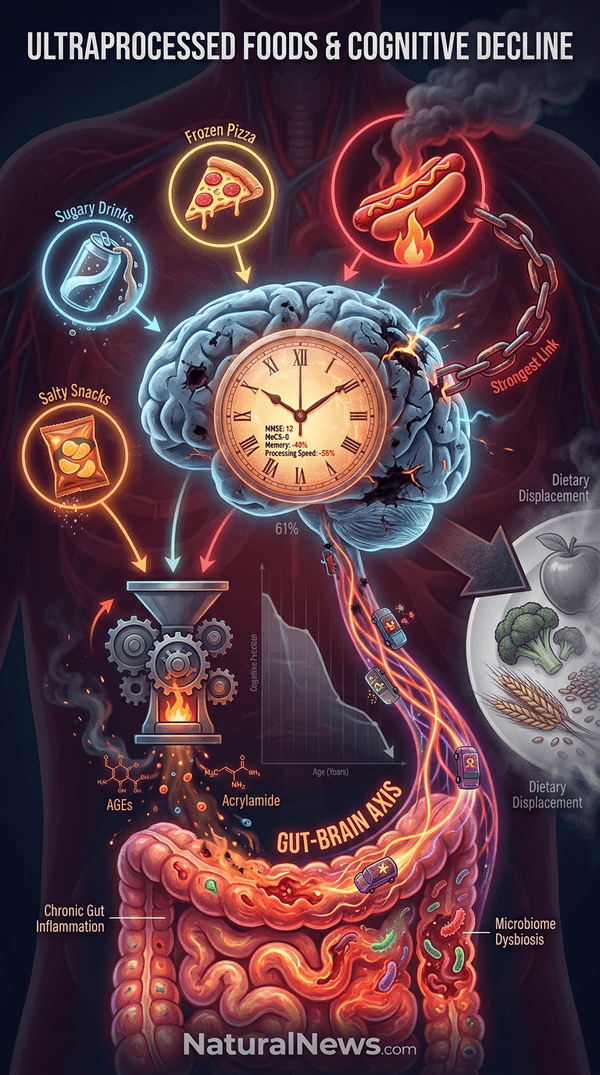
When researchers broke down UPF intake by subcategory, processed meat showed the strongest association with cognitive risk among all ultraprocessed food groups examined, the study stated. This aligns with broader research: a comprehensive review of nearly 10 million participants found that high UPF consumption is directly linked to increased risk for cognitive decline and other serious conditions [5]. Processed meat products such as bacon and sausage have been associated with a 16% increase in cognitive decline risk, according to other data [6].
Possible Mechanisms for Processed Meat’s Harm
A 2025 narrative review on UPFs and brain health identified several mechanisms by which these foods may cause harm, according to the study. High-heat processing creates harmful byproducts that can damage cells and disrupt the balance of bacteria in the gut, leading to increased inflammation and cellular damage in the brain over time, researchers said.
Processed meats are typically high in saturated fat and sodium nitrates, which are independently linked to inflammation, according to the review. These foods also tend to crowd out more protective items from the diet, reducing intake of fiber and antioxidants that support brain health. The Western dietary pattern, characterized by high intake of processed foods, has been associated with increased mortality risk [7].
The excessive heat used in processing can also generate pro-oxidants from fats, contributing to oxidative stress [8]. The displacement of traditional, minimally processed foods by industrial products contributes to the burden of chronic disease [9].
Implications and Protective Factors
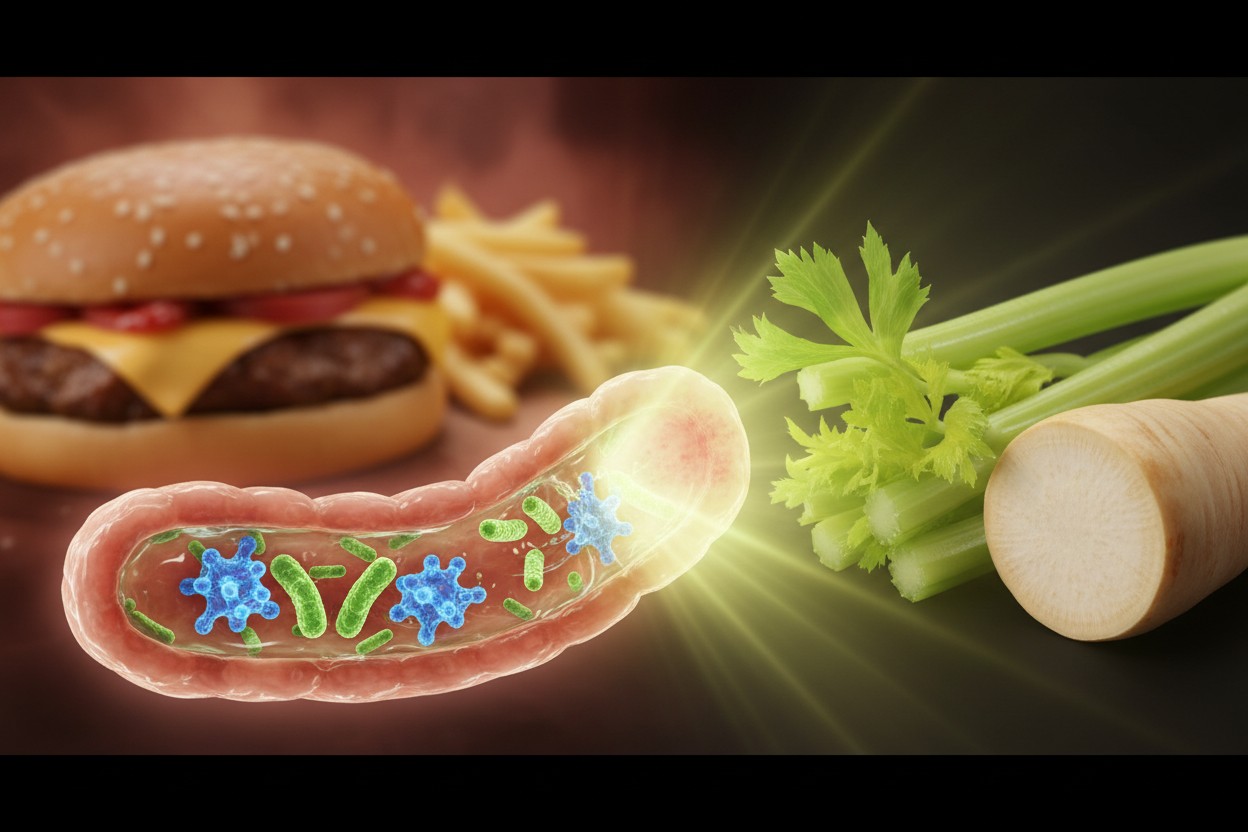
The study also found that higher intake of minimally processed foods was associated with lower cognitive risk, suggesting that overall diet quality matters, according to researchers. Practical recommendations from the study include replacing processed deli meats with whole protein sources, reading labels for additives and prioritizing whole or minimally processed foods. Swapping out UPFs for healthier alternatives can yield significant benefits for overall well-being [10].
The study’s authors emphasized that dietary patterns over time, rather than single meals, influence cognitive health. Traditional diets rich in fermented foods and whole ingredients have been linked to health promotion, raising questions about what is lost as these foods disappear from the modern landscape [7]. The findings suggest that reducing overall UPF intake, especially processed meat, may be a meaningful step toward preserving brain function in older age.
References
- Mercola.com. “60 of Calories Are From Ultraprocessed Food”. June 28, 2023.
- NaturalNews.com. “Study: Consumption of processed foods can negatively affect brain function”. September 08, 2022.
- NaturalNews.com. “Long-Term High BMI Linked to Faster Cognitive Decline, 24-Year Study Finds”. 2026-05-11.
- ANH International. “News in Brief Week 50 2022”. December 15, 2022.
- Children’s Health Defense. “Studies of 10 Million People Find Ultra-processed Foods Linked to Serious Health Issues”.
- ActivistPost. “Ultraprocessed Foods Linked to 4 in 10 Cardiovascular Deaths and Increased Mortality Risk”. 2026-05-07.
- Dr Alan Logan and Susan Prescott. “The Secret Life of Your Microbiome”.
- Siim Land. “The Longevity Leap: A Guide to Slowing Down Biological Aging and Adding Healthy Years to Your Life”.
- Dr Mark Hyman. “Food Fix”.
- NaturalNews.com. “Replace ultra processed foods with these HEALTHY alternatives”. May 16, 2024.
Explainer Infographic
Submit a correction >>
Tagged Under:
Alzheimer's disease, Brain, brain damaged, brain function, Censored Science, chemicals, clean food watch, cognition, cognitive decline, Dangerous, dementia, food science, health science, ingredients, mental, Mind, poison, processed meat, research, stop eating poison, toxic foods, toxic ingredients
This article may contain statements that reflect the opinion of the author
RECENT NEWS & ARTICLES