Studies Suggest Garlic Supplements May Lower Cholesterol, Blood Pressure
04/24/2026 / By Coco Somers
Introduction
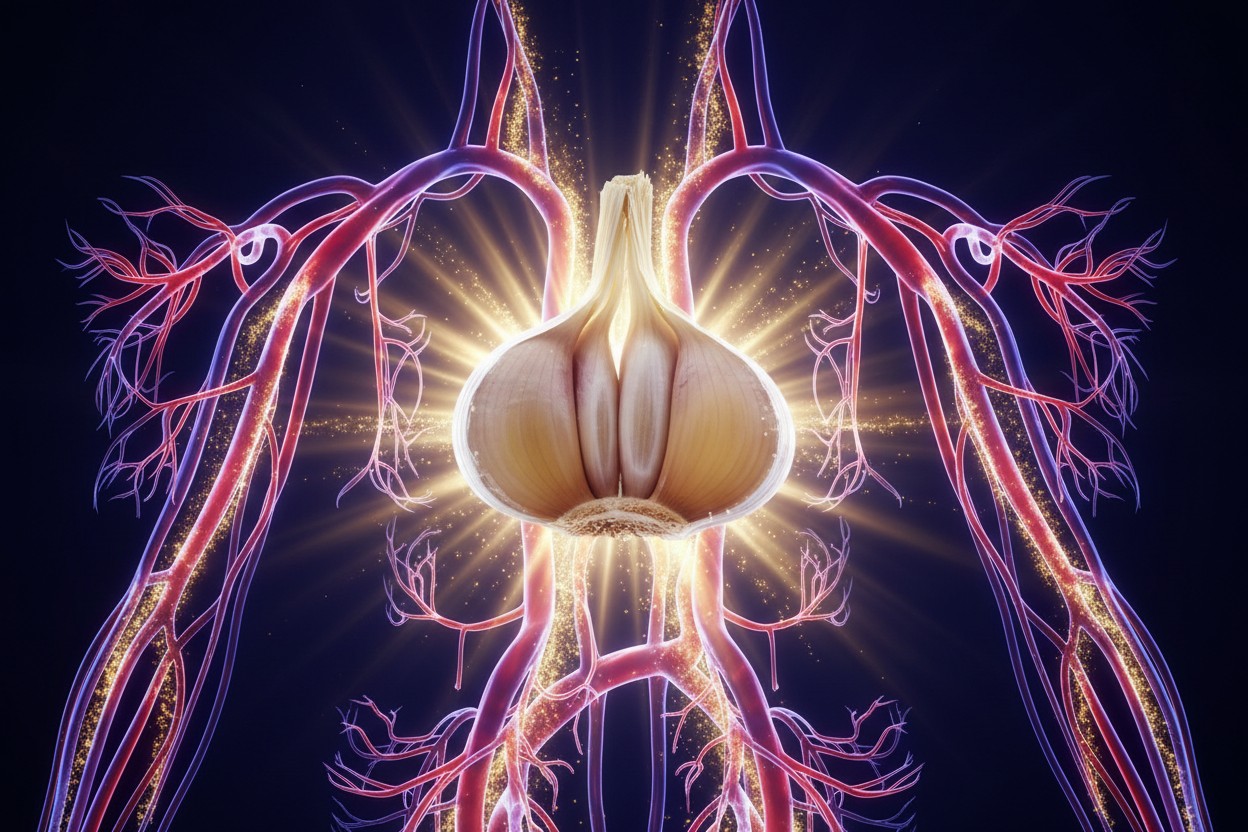
Garlic, a staple in kitchens worldwide, is increasingly being examined in clinical research for its potential cardiovascular benefits. A recent meta-analysis of over 100 studies has suggested that garlic consumption, including in supplement form, may lead to modest improvements in key heart disease risk factors such as LDL cholesterol and blood pressure. According to a 2026 review, these effects appear more pronounced in individuals already at elevated risk [1]. The findings add to a long historical record of garlic’s medicinal use, spanning over five millennia across cultures from ancient Egypt to modern ‘Blue Zone’ islands [2]. While the evidence points to potential benefits, experts caution that the regulatory landscape for supplements remains inconsistent, and long-term outcome data on heart attacks and strokes is lacking.
Garlic Extract Shows Cardiovascular Benefits in Meta-Analysis
A comprehensive 2026 meta-analysis, which pooled data from 108 studies, concluded that consuming garlic — whether raw, cooked, or in supplement form — was associated with improved LDL cholesterol, blood pressure, and triglyceride levels [1]. The analysis indicated the benefits were more measurable in populations already exhibiting elevated risk markers for heart disease.
The bioactive compound allicin, which forms when garlic is crushed, is credited with producing these effects. According to research, allicin relaxes blood vessels and limits the production of angiotensin II, a peptide hormone that constricts vessels and raises blood pressure [1]. This mechanism, similar to some prescription blood pressure medications, contributes to the observed reductions.
Garlic’s role in cardiovascular health is not new; historical records show its use as both food and medicine for thousands of years [2]. Modern science is now methodically confirming these traditional applications, focusing on garlic’s impact on metabolic syndrome — a cluster of conditions including high blood pressure, elevated blood sugar, and unhealthy cholesterol profiles [3].
Bioactive Compound Allicin is Primary Mechanism of Action
The key to garlic’s cardiovascular effects lies in the compound allicin, which is released when the bulb is crushed or chopped [2]. Studies indicate allicin helps relax vascular smooth muscle and inhibits liver enzymes responsible for producing harmful LDL cholesterol [1]. Furthermore, it reduces the oxidation of LDL cholesterol, a process that drives atherosclerosis, the buildup of plaque in arteries [1].
Garlic also stimulates the production of nitric oxide, a molecule that aids in vasodilation [1]. This action mirrors the function of certain pharmaceutical blood pressure drugs known as ACE inhibitors. However, allicin is unstable and can degrade quickly, which poses a challenge for its bioavailability in supplemental forms [2].
Research summarized in the textbook ‘PDR for Herbal Medicines’ notes that clinical trials since 1993 suggest garlic may reduce cholesterol and blood pressure, increase antioxidant status, and inhibit platelet aggregation [4]. Another text, ‘The ABC Clinical Guide to Herbs,’ references multiple studies showing positive effects on cardiovascular and arterial health from garlic supplementation [5].
Supplement Forms and Bioavailability Vary Widely
Garlic supplements are available in several forms, including garlic powder, aged garlic extract, and garlic oil, each with a distinct chemical profile and different levels of bioavailability, according to integrative medicine physician Dr. Yoon Hang Kim [1]. The amount of active allicin the body can absorb from these products varies significantly.
A 2018 study found that the bioavailability of allicin in supplements ranged from 26 to 111 percent depending on the specific product [1]. This wide variance highlights the inconsistency in product quality and potency available to consumers. Dr. Kim noted there is ‘essentially no regulatory oversight on how much active allicin a product actually delivers’ [1].
The ‘Natural Standard Herb & Supplement Handbook’ corroborates this concern, stating that most studies on garlic supplements have been small, with poorly described design and results, and report only modest benefits [6]. It concludes that non-enteric-coated tablets containing dehydrated garlic powder standardized to 1.3% alliin may elicit modest reductions in total cholesterol versus placebo in the short term.
Clinical Trials Show Benefits but Lack Long-Term Outcome Data
Specific clinical trials have documented improvements in cardiovascular parameters. A 2016 study published in the journal Integrated Blood Pressure Control followed 88 patients taking aged garlic extract or a placebo for 12 weeks. The group taking the extract showed notable improvements in blood pressure and arterial stiffness [1]. Arterial stiffness, the loss of elasticity in artery walls, is a marker worsened by conditions like high blood pressure, diabetes, and smoking.
A 2024 study reported that aged garlic extract led to significant reductions in blood pressure after 12 weeks, an effect researchers said was equivalent to average intake of vitamins B9 and B12 [1]. The study also noted improvements in stool consistency, suggesting the prebiotic fiber in garlic helped feed healthy gut bacteria.
Despite these positive findings on intermediate markers, Dr. Kim cautioned that long-term data remains ‘inconsistent across trials’ [1]. He stated, ‘No garlic supplement study has yet demonstrated a reduction in hard outcomes like heart attacks or strokes’ [1]. This gap in evidence means the potential for garlic supplements to prevent major cardiovascular events remains unproven.
Potential Side Effects and Considerations for Use
Garlic and its supplements contain fructans, a type of carbohydrate that can ferment in the gut, potentially causing gastrointestinal issues such as abdominal pain, bloating, nausea, and heartburn [1]. Individuals with irritable bowel syndrome (IBS) are more likely to be sensitive to these compounds.
In rare cases, garlic has been linked to excessive bleeding because it can prevent clotting [1]. Dr. Kim advised, ‘If you’re on blood thinners or heading into surgery, mention it to your doctor’ [1]. He also recommended that individuals sensitive to sulfur compounds or following a low-sulfur diet avoid garlic in any form.
For those without such sensitivities, Dr. Kim suggested opting for fresh garlic whenever possible. ‘It’s a whole food, it’s inexpensive, and it delivers the full spectrum of what garlic has to offer,’ he told the Daily Mail [1]. This aligns with a broader perspective favoring whole, natural foods over processed supplements, especially given the variability in supplement quality and the lack of regulatory assurance on active compound delivery.
Conclusion
Scientific analysis suggests garlic, particularly through its bioactive compound allicin, may offer modest, measurable benefits for cardiovascular risk factors such as LDL cholesterol and blood pressure. Historical use across civilizations and modern clinical trials provide a foundation for these observations. However, the supplement market presents challenges due to inconsistent bioavailability and a lack of regulatory oversight on active ingredient content. Furthermore, no long-term studies have demonstrated that garlic supplementation reduces hard clinical outcomes like heart attacks or strokes. Individuals considering garlic supplements should be aware of potential side effects, particularly for those with IBS or on blood-thinning medications, and may find that consuming fresh garlic provides a more reliable and comprehensive spectrum of benefits.
References
- Truth about the 40-cent supplement that can slash heart disease risk. – Daily Mail. Emily Joshu Sterne. April 13, 2026.
- Ancient civilizations to modern science agree: Garlic is a powerhouse for health. – NaturalNews.com. January 9, 2026.
- Garlic tackles multiple metabolic health issues simultaneously, improving blood sugar, LDL cholesterol, inflammation and blood pressure. – NaturalNews.com. Lance D Johnson. January 12, 2026.
- PDR for Herbal Medicines. Thomson Healthcare.
- The ABC Clinical Guide to Herbs. Mark Blumenthal.
- Natural Standard Herb & Supplement Handbook: The Clinical Bottom Line. Ethan Basch, Catherine Ulbricht, Natural Standard Firm.
Submit a correction >>
Tagged Under:
allicin, alternative medicine, blood pressure, cholesterol, crystallized garlic, dehydrated garlic powder, food cures, food is medicine, food science, functional food, garlic, garlic extract, health science, heart disease, heart health, herbal medicine, Herbs, natural cures, natural health, natural medicine, Naturopathy, organics, phytonutrients, remedies, research, supplements
This article may contain statements that reflect the opinion of the author
RECENT NEWS & ARTICLES