Top food sources of magnesium for sleep, stress and blood pressure
03/27/2026 / By Cassie B.
- Magnesium deficiency is widespread and linked to numerous chronic diseases and depression.
- New clinical research shows magnesium supplementation rapidly improves depression and anxiety symptoms.
- Standard blood tests often fail to detect a magnesium deficiency until it is severe.
- Excellent dietary sources include seeds, leafy greens, nuts, beans, and certain seafood.
- Magnesium is safe and effective, working quickly even alongside antidepressant medications.
A silent epidemic of nutritional deficiency is undermining the mental and physical health of millions, and the solution may be as simple as a handful of seeds or an extra serving of greens. Decades of processed food consumption and soil depletion have created a widespread shortfall in magnesium, a critical mineral involved in more than 300 bodily processes. Now, compelling new clinical research is confirming what integrative health experts have long suggested: restoring magnesium levels can act as a powerful, fast-acting tool against depression and anxiety, offering a well-tolerated natural strategy that works alongside conventional treatments.
The scale of this deficiency is alarming. Data shows nearly half of all Americans consume less than the recommended daily amount of magnesium. This mineral is continually lost through daily biological functions like sweating and urination, and its depletion is accelerated by stress. Furthermore, standard blood tests are notoriously poor at detecting a deficiency until it becomes severe, meaning many people suffer from subclinical shortages without ever knowing the cause.
The consequences of this gap are far-reaching. Scientific literature has consistently linked low magnesium intakes to a host of modern ailments, including type 2 diabetes, hypertension, metabolic syndrome, osteoporosis, and migraine headaches. Researchers explicitly note that low magnesium is associated with elevated C-reactive protein and systemic inflammation, which is a root driver of chronic disease.
A breakthrough for mental health
A recent open-label clinical trial published in PLOS One has brought magnesium’s role in mental health into sharp focus. The study involved 126 adults with depression. Participants who received 248 mg of elemental magnesium daily for six weeks experienced clinically significant improvements in both depressive and anxiety symptoms, with benefits noticeable in as little as two weeks. Crucially, magnesium helped individuals regardless of their baseline magnesium levels or whether they were already taking antidepressant medication.
The study authors concluded, “Magnesium is effective for mild-to-moderate depression in adults. It works quickly and is well tolerated without the need for close monitoring for toxicity.” This research provides a robust scientific foundation for using magnesium as a foundational, first-line support for mood disorders.
Fueling your body with magnesium-rich foods
While high-quality supplements can be therapeutic, obtaining magnesium from whole foods provides a symphony of complementary nutrients. Magnesium is central to sleep and stress regulation; it helps muscles relax and modulates the body’s stress response. When levels are low, sensitivity to stress increases.
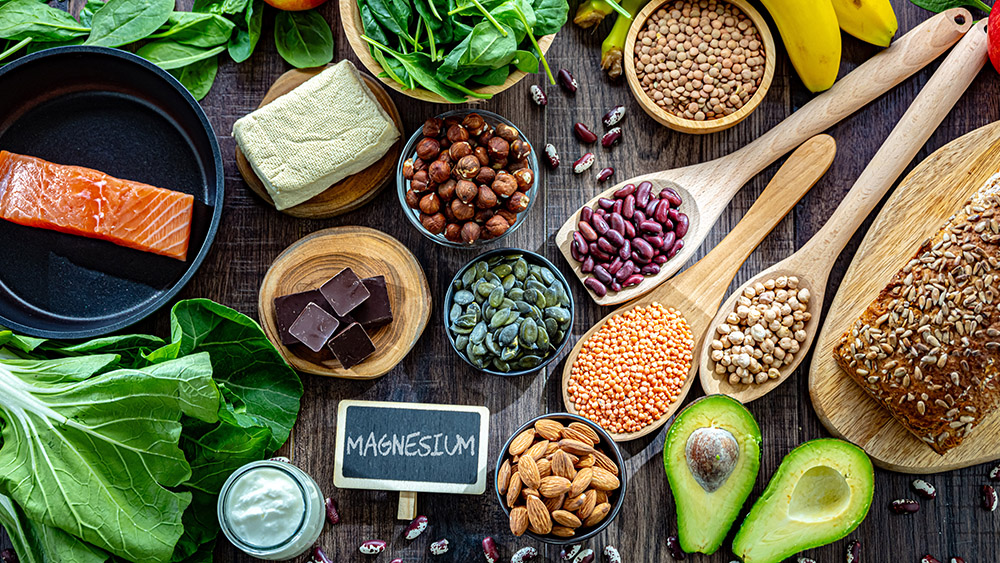
Fortunately, nature provides an abundant pharmacy of magnesium-rich options. Seeds are among the most potent sources. Just three tablespoons of hemp seeds deliver 50% of the daily value, while an ounce of pumpkin seeds provides 37%. Leafy greens are another excellent category: one cup of cooked spinach offers 37% of the daily magnesium need and contains tryptophan, an amino acid precursor to sleep-regulating melatonin.
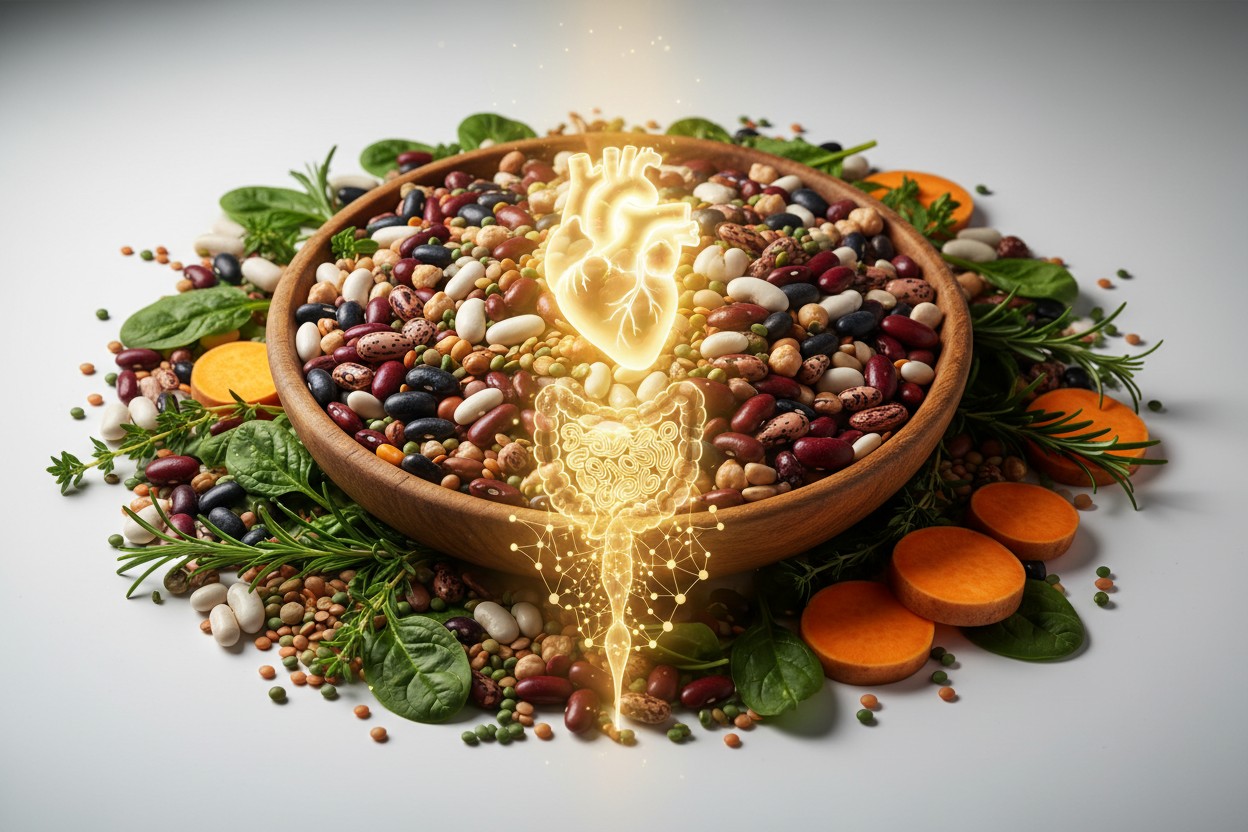
Beans and legumes are powerhouse foods. A cup of cooked black beans provides 29% of the daily value and includes B vitamins that support neurotransmitter production for mood. Whole grains like quinoa (27% DV per cup) and nuts like almonds (18% DV per ounce) and cashews (20% DV per ounce) are versatile staples. Other valuable sources include fatty fish like salmon, dark chocolate, avocados, and chia seeds, each contributing additional benefits like omega-3 fats and antioxidants.
It is important to prepare these foods wisely. Magnesium can leach into water when vegetables are boiled, so steaming or sautéing is preferable. Also, excessive fiber can sometimes hinder absorption, so a balanced approach is key.
The evidence is clear that magnesium insufficiency is a common, correctable flaw in modern health. By consciously incorporating seeds, leafy greens, nuts, and beans into your diet, you are not just eating; you are engaging in a fundamental act of cellular repair and neurological support. This simple, proactive step empowers you to directly influence your metabolic health, resilience to stress, and overall vitality, harnessing a mineral that mainstream medicine has too long overlooked.
Sources for this article include:
Submit a correction >>
Tagged Under:
blood pressure, depression, food, food cures, grocery cures, healing, Heart, Magnesium, mental, mind body science, natural health, natural medicine, nutrients, plant medicine, prevention, remedies, sleep, stress
This article may contain statements that reflect the opinion of the author
RECENT NEWS & ARTICLES