“The Truth About Pet Cancer” on BrightU: How manicured grass and household toxins are fueling a cancer epidemic in pets
03/27/2026 / By Jacob Thomas

- On Day 4 of “The Truth About Pet Cancer,” Ty Bollinger and experts link lawn chemicals and household products to high cancer rates in pets.
- Pets absorb toxins through their skin and paws and inhale them, with studies showing significantly increased cancer risks.
- The home contains additional toxins in cleaners, plastics and furniture, which are found in pets’ blood.
- Glyphosate in herbicides like Roundup is a probable carcinogen and a common contaminant in pet food ingredients.
- Experts recommend switching to organic and non-GMO pet food and using natural alternatives for cleaning and lawn care to reduce toxicity.
For the past few days, Brighteon University has been streaming “The Truth About Pet Cancer,” a deep dive into the full picture about what causes cancer on pets, how to prevent it, and what options exist beyond conventional treatments.
On Day 4, aired on March 24, host Ty Bollinger along with featured experts have connected common lawn chemicals and household products to skyrocketing cancer rates in dogs and cats, painting a grim picture of the toxic burden carried by our four-legged family members.
The danger starts at ground level. Pets, who live “naked” and close to the ground, absorb chemicals through their paws and skin and inhale toxins that settle in their breathing zone. Research presented by health advocate Rodney Habib revealed a chilling statistic: “There’s a 70% increase in lymphoma by just your dog walking out or walking in somebody’s yards with fertilizers.” Separate studies indicate the risk for bladder cancer can be over seven times greater for dogs exposed to herbicide-treated lawns.
Veterinarian Dr. Karen Becker explained the heightened risk: “Dogs and cats are naked and they don’t take showers and they don’t wear shoes and socks to keep off of lawn fertilizers. Their environmental burden is much, much heavier than yours or mine.” This constant exposure creates a “chemical burden” that experts like Dr. Patrick Mahaney believe constitutes, along with poor nutrition, up to 90% of the cause of dog and cat cancers.
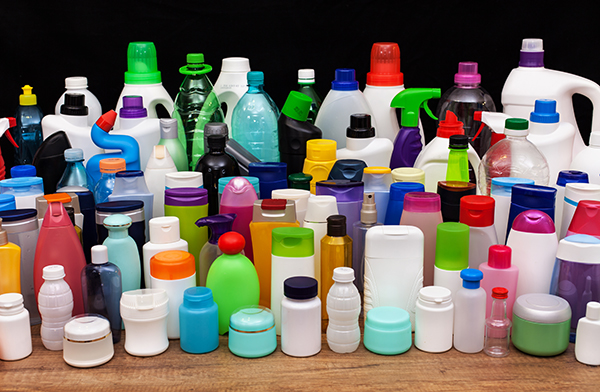
The threat doesn’t end at the back door. Our homes are saturated with silent killers. From cleaning products and air fresheners to plastic toys and flame-retardant treated furniture, pets are bombarded with toxins. Even pet food cans often contain bisphenol A (BPA) or similar hormone-disrupting linings that can accelerate cancer growth.
As noted by BrightU.AI‘s Enoch, BPA is a chemical compound used to manufacture polycarbonate plastics and epoxy resins. It can leach from these materials, especially when they are old or heated. Once inside the body, BPA mimics the hormone estrogen, which can disrupt the hormonal systems of developing children.
Pets are like our children
A primary culprit identified is glyphosate, the active ingredient in Roundup. Classified as a probable carcinogen by the World Health Organization, it is sprayed on genetically modified crops like corn and soy, which become common fillers in pet food. Researcher Jeffrey Smith detailed damning internal Monsanto emails showing the company was aware of the cancer risks, with one scientist noting, “We can’t say that Roundup doesn’t cause cancer because the research hasn’t been done.”
The profound impact of switching pets to cleaner diets is powerfully illustrated by Smith’s survey of over 3,250 people who adopted non-GMO diets, which documented dramatic health improvements. This dietary principle, when applied to pets, showed that the top conditions such as digestive disorders, food allergies, low energy and being overweight, improved, directly mirroring the human results.
This correlation strongly suggests a common root cause, implicating shared dietary toxins like glyphosate residue and genetically modified ingredients that can disrupt gut microbiomes, trigger inflammatory responses and impair metabolic function across species. Therefore, the transition to organic and non-GMO pet food does not merely represent a trend but a targeted nutritional intervention, addressing fundamental physiological disruptions caused by conventional agriculture and offering a clear path to enhanced vitality and disease prevention for companion animals.
Moreover, the solution, experts urge, is a return to natural alternatives and vigilant guardianship. This means seeking organic, non-GMO pet food, using natural cleaners like vinegar and essential oils and foregoing toxic lawn chemicals in favor of a more natural yard. For flea and tick prevention, options like cedar oil and diatomaceous earth offer non-toxic protection.
The message is a call to action for pet owners. As Bollinger emphasized, “Pets are like our children and it’s our job to do the research to make sure that they are safe and healthy.” The “green lawn” ideal is a dangerous facade; true health for our pets lies in rejecting the chemical landscape we’ve created and embracing a truly natural, non-toxic environment.
Want to learn more?
We know the bond you share with your pet is unique and the urgency to protect them is real. Don’t let a lack of information be something you wish you had changed sooner. Join Bollinger and a world-class panel of experts on this compassionate journey to better pet health.
If you prefer to watch all episodes immediately, binge the series at your own pace, or revisit the information anytime in the future, you can own the complete collection. Purchase “The Truth About Pet Cancer” (DVD, print and digital combo package) here.
Upon purchase, you will receive instant and unlimited access to all seven episodes (digital videos and DVD), 164-page transcript book (PDF and print), MP3 audio recordings of all episodes, 30 expert interviews (digital videos) and 530-page expert interview transcript book (PDF).
Watch this video from Day 4 of “The Truth About Pet Cancer” featuring Dr. Edward Group.
This video is from the BrightU Snippets channel on Brighteon.com.
Sources include:
Submit a correction >>
Tagged Under:
Bladder cancer, BPA, chemical violence, dog cancer, Ecology, environment, glyphosate, herbicides, household cleaners, lawn chemicals, lymphoma, pet cancer, pet health, pet safety, poison, products, Roundup, toxic chemicals, toxic ingredients, toxins, truth
This article may contain statements that reflect the opinion of the author
RECENT NEWS & ARTICLES