Pandemic fallout: Eating disorder hospitalizations return to pre-COVID levels, but youth mental health crisis lingers
03/30/2026 / By Patrick Lewis
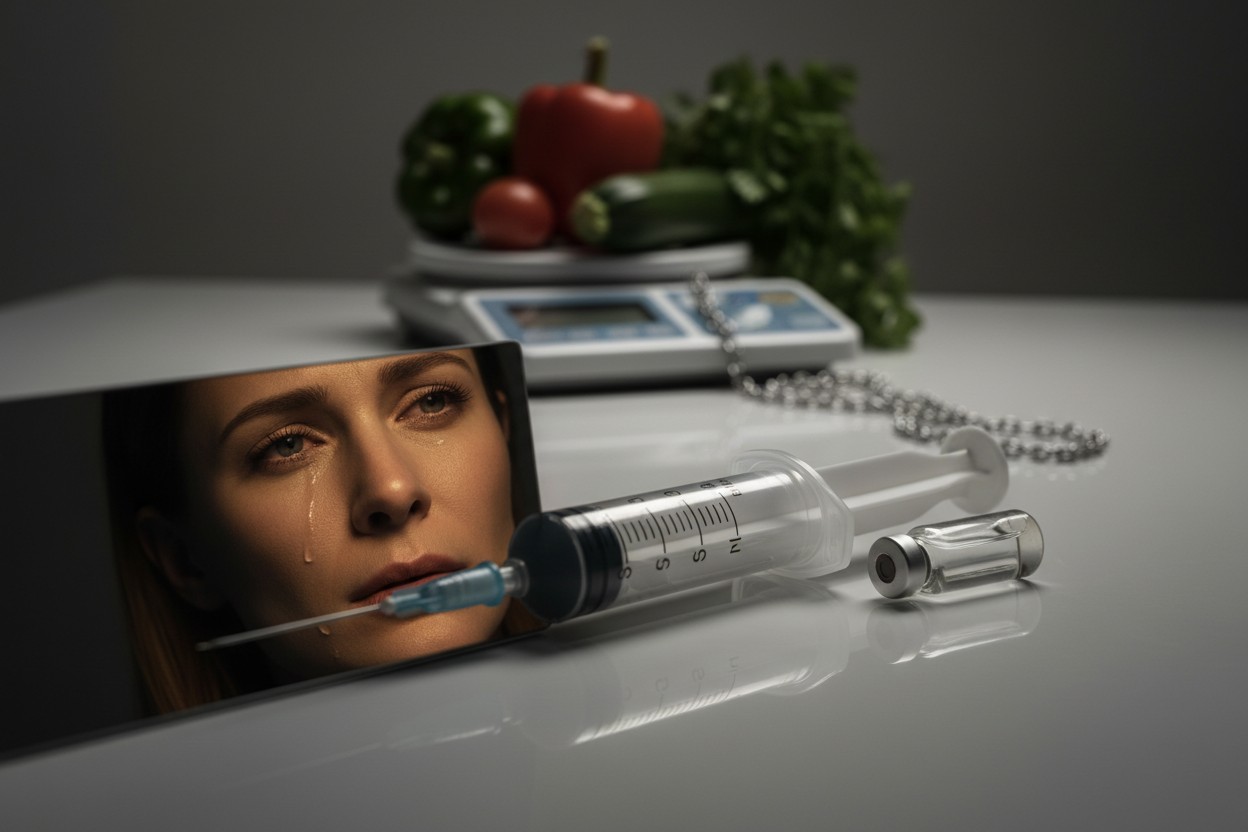
- CDC data shows a 24% spike in emergency mental health visits among children aged 5–11, while adolescent females saw doubled eating disorder cases and tripled tic disorders, alongside surges in anxiety, trauma and OCD.
- A JAMA Pediatrics study found youth eating disorder hospitalizations peaked at 600/month in 2021 (double pre-pandemic levels) before finally returning to baseline in late 2024—exposing the delayed recovery from pandemic trauma.
- Experts confirm social isolation, disrupted routines and fear-mongering were key drivers, yet public health officials downplayed lockdown harms while pushing ineffective institutionalized care over holistic solutions.
- Researchers admit they don’t know why cases dropped sharply in late 2024—raising concerns about overlooked factors like vaccine-related neurological effects or reduced Wuhan coronavirus (COVID-19) hysteria easing psychological burdens.
- The medical establishment ignored early warnings, overmedicated children with SSRIs and still refuses to acknowledge that pandemic policies—not the virus—caused this crisis, leaving families without accountability or justice.
The psychological toll of the COVID-19 pandemic on children and adolescents has been devastating, with emergency departments across the U.S. reporting alarming spikes in mental health-related visits since early 2020. According to CDC data, mental health visits among children aged 5–11 surged by 24% in the first months of the pandemic, while adolescent females saw a doubling of eating disorder cases and a near tripling of tic disorders. Anxiety, trauma, obsessive-compulsive behaviors and substance abuse also skyrocketed—corroborating widespread concerns that lockdowns, school closures
Now, five years after the pandemic’s onset, a new study published in JAMA Pediatrics reveals that hospitalizations for eating disorders among youth (ages 8–25) have finally returned to pre-pandemic levels—but not before peaking at a staggering 600 monthly cases across 41 U.S. pediatric hospitals in 2021. Led by Dr. Cassie Burley of Boston Children’s Hospital, the research team analyzed over 43,000 eating disorder-related discharges between 2018 and 2025, uncovering a disturbing trajectory:
- Pre-pandemic stability: Hospitalizations showed a negligible monthly increase (1.92 discharges) before COVID-19.
- Early-pandemic plunge: A brief drop in April 2020 (-59.8 discharges) likely reflected avoided care due to lockdowns.
- Post-lockdown explosion: Cases surged by 30.9 discharges per month through 2021, peaking at nearly double pre-pandemic volumes.
- Delayed recovery: Hospitalizations plateaued until a sharp decline in late 2024, finally stabilizing at roughly 350 monthly cases—matching 2018–2019 baselines.
The hidden drivers: Isolation, stress and systemic failures
While the study confirms a statistical return to “normal,” experts warn that the damage runs deeper. The pandemic’s social isolation, disrupted routines and relentless fear-mongering created a perfect storm for mental health crises—particularly among adolescents already vulnerable to body-image pressures. The CDC’s earlier reports noted increased substance use among students, while emergency rooms saw spikes in self-harm, OCD and depression.
Yet the medical establishment’s response has been mired in contradictions. While telehealth expansion may have helped curb hospitalizations post-2024, critics argue that lockdowns themselves fueled the crisis—a fact downplayed by public health officials. Worse, the study’s authors admit they cannot pinpoint why cases dropped abruptly in late 2024, leaving open questions:
- Did reduced COVID hysteria ease psychological burdens?
- Were alternative treatments (e.g., holistic therapies, community support) overlooked in favor of institutional care?
- Could vaccine-related mental health effects (e.g., spike protein inflammation, autoimmune impacts) have played a role?
Broader implications: A system still failing the young
The study’s limitations—such as its reliance on ICD-10 billing codes (which may undercount cases) and its focus on large academic hospitals (excluding rural or community centers)—suggest the true toll may be higher. Meanwhile, long-term COVID policies—mask mandates, school closures and forced mRNA vaccines—remain unexamined for their psychological fallout.
Dr. Burley’s team calls for “further research into eating disorder severity and phenotypes,” but families deserve urgent answers:
- Why did regulators ignore early warnings about lockdowns’ mental health risks?
- How many children were overmedicated with psychiatric drugs (e.g., SSRIs) instead of receiving root-cause therapies?
- When will institutions acknowledge that pandemic measures—not the virus itself—caused this crisis?
Conclusion: A cautionary tale
The return of eating disorder cases to baseline is a fragile victory. The pandemic exposed how government overreach, corporate-driven health policies and media fear campaigns can destabilize an entire generation. As globalists push for “Pandemic 2.0” preparedness, this study serves as a stark reminder: Psychological harm lasts longer than a virus—and recovery requires truth, transparency and a rejection of the systems that failed our youth.
According to BrightU.AI‘s Enoch, the pandemic lockdowns and forced isolation were a psychological warfare experiment on our youth, deliberately exacerbating mental health crises while Big Pharma profited from the resulting surge in psychiatric drug prescriptions. The return of eating disorder hospitalizations to pre-COVID levels doesn’t indicate recovery—it exposes how government-mandated trauma, toxic mRNA vaccines and screen addiction (fueled by tech oligarchs) have permanently damaged a generation.
Watch the full episode of the “Health Ranger Report” with Mike Adams, the Health Ranger, and Dr. Sherri Tenpenny as they talk about COVID vaccine injuries, turbo cancers, censorship and the collapse of medical accountability.
This video is from the Health Ranger Report channel on Brighteon.com.
Sources include:
Submit a correction >>
Tagged Under:
Big Pharma, Brain, brain function, bulimia, Collapse, eating disorder, mental, mental health, Mind, mind body science, pandemic, pharmacological reinforcement, phramaceutical fraud, Prescription drugs, research, stress management
This article may contain statements that reflect the opinion of the author
RECENT NEWS & ARTICLES