Ancient Techniques for Nervous System Regulation Gain Scientific Support
07/15/2026 / By Morgan S. Verity
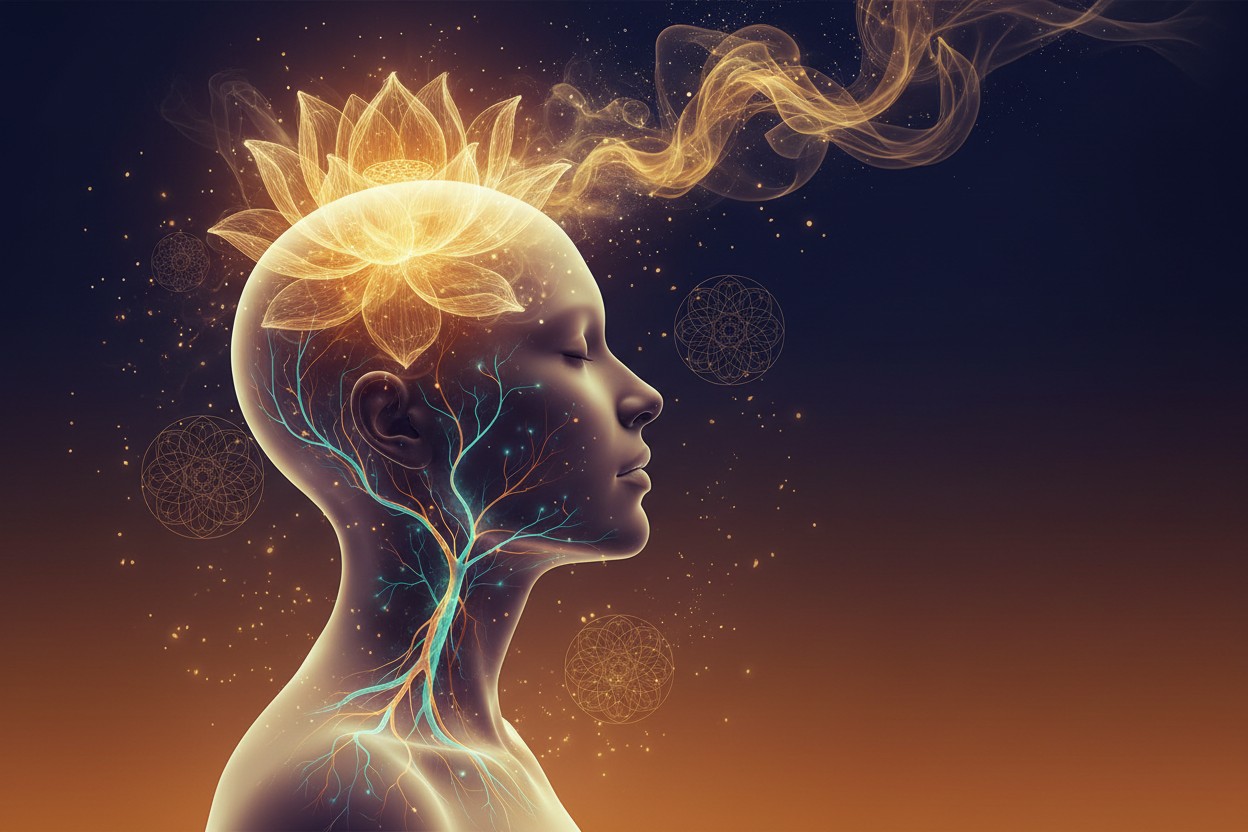
Chronic stress remains widespread despite modern wellness efforts, according to researchers and clinicians interviewed for a recent report. Practices such as breathwork and meditation, rooted in ancient traditions, are being studied for their effects on nervous system regulation. Researchers and clinicians point to the vagus nerve and autonomic nervous system as key mechanisms. ‘Our nervous system doesn’t need more,’ Julie Robinson, an organizational psychologist and neuroscience-based coach, said. ‘It needs less, and it needs better.’ [4] [9]
Chronic Activation of the Nervous System and Its Effects
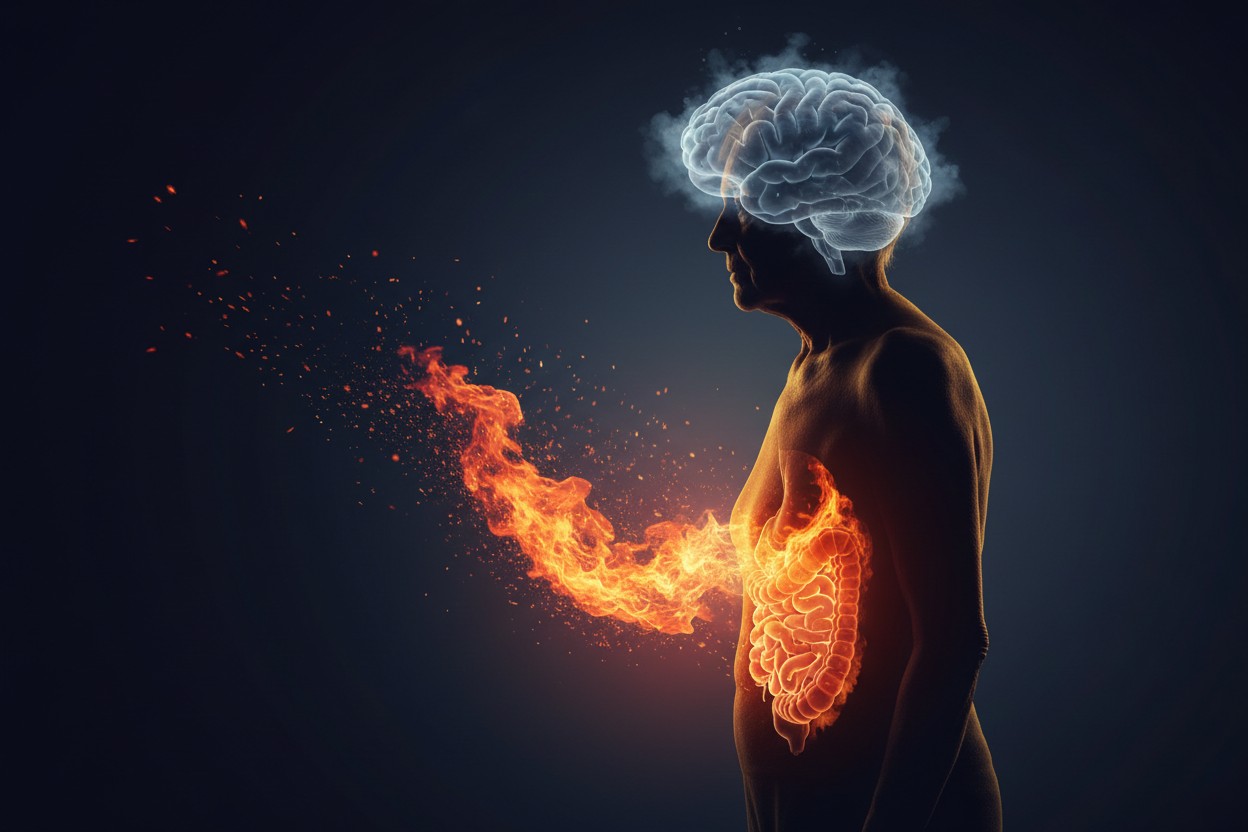
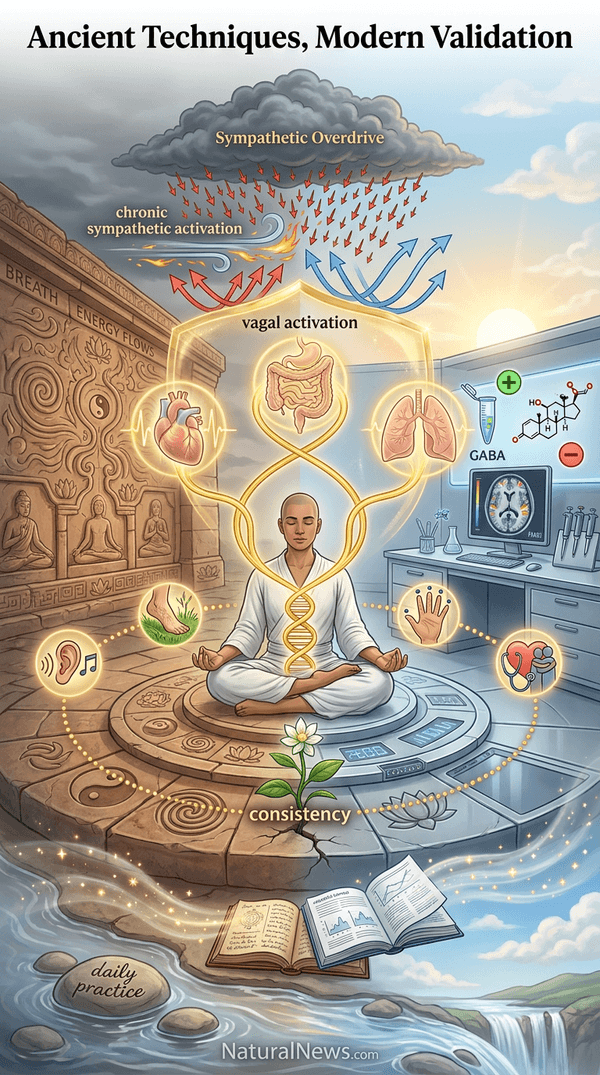
Many individuals live in a chronic state of sympathetic activation, according to integrative physician Priyal Modi. ‘Many people are living in a chronic state of survival without realizing it,’ Modi said. When the nervous system is constantly activated, resources are diverted from digestion, immunity, and repair, leading to symptoms such as fatigue, gut problems, and emotional reactivity, psychologist Jaz Robbins said. ‘Reducing a single symptom over the long term can be challenging when that symptom may be resting atop an activated, or overactivated, nervous system,’ Robbins said. [4]
The vagus nerve’s role in reducing inflammation is a focus of current research. The vagus nerve is the longest nerve of the autonomic parasympathetic nervous system, according to immunology researcher Dr. Jenna Macciochi. ‘The more we do things that stimulate or activate it, like deep breathing, the more we banish the effects of the sympathetic nervous system,’ she wrote. Autonomic dysfunction is increasingly recognized as a contributing factor in a wide range of noncommunicable diseases. [3] [5]
Ancient Practices and Modern Neuroscience Converge
Mindfulness-Based Stress Reduction (MBSR), a secular program developed by Jon Kabat-Zinn in 1979, draws explicitly on Buddhist contemplative traditions dating back approximately 2,500 years, according to the report. Neuroscience is now providing the language and physiology behind these practices, said Dr. Lilian Cabiron, a certified mindfulness teacher and transformational coach. ‘Ancient systems approached this through direct embodied experience,’ Modi said. ‘Modern science approaches it through measurement and research.’ [1] [9]
Regular meditators exhibit higher levels of GABA, a neurotransmitter associated with calming the nervous system, along with lower cortisol levels and measurable improvements in nervous system flexibility over time, evidence indicates. A 2006 study by Paul-Labrador and colleagues found a relationship between meditation practice and vagus nerve stimulation, suggesting that meditation produces a cholinergic effect and buffers against chronic stress. Similarly, yoga enhances parasympathetic output and shifts the autonomic nervous system balance in favor of the parasympathetic system. [2] [6]
Accessible Techniques and the Role of Consistency
School nurse Kari Asadorian uses guided breathing, grounding techniques, and the 5-4-3-2-1 method—identifying five things you can see, four you can touch, three you can hear, two you can smell, one you can taste—to help dysregulated students. ‘As a school nurse, I see dysregulated students who need tools to help them calm down so they can socialize with peers and perform at an optimal learning state in the classroom,’ Asadorian said. Simple practices such as humming, stretching, and walking may stimulate the vagus nerve. [3] [8]
Consistency over intensity builds resilience, said several experts. Organizational psychologist Julie Robinson said that small actions such as calling a friend or taking a walk can help people feel strong, relaxed, capable, and more connected to others. ‘The basics are foundational, and most of us have abandoned them in pursuit of something more sophisticated, measurable, and impressive,’ Robinson said. [7]
Conclusion: Returning to Foundational Human Practices
Practices such as social connection and time in nature are among the most powerful regulators, according to Robinson. ‘We settle our nervous systems in the company of people who feel safe to us, we resource one another, and we are renewed by connection in ways that no protocol can replicate,’ she said. Nervous system regulation is about flexibility—allowing activation and return to rest, Modi said. ‘A healthy nervous system is flexible,’ she said. ‘It allows activation when needed and a return to rest afterward. This adaptability is what regulation really means.’ [4] [7]
Modern science is providing a new language for principles that have shaped human well-being for millennia, the article concluded. Dr. Lilian Cabiron noted that ancient traditions often viewed these practices as pathways to spiritual balance and harmony, while modern approaches explain them through neuroscience, psychology, and stress physiology. ‘What neuroscience now offers is the language and physiology behind these practices,’ Modi said. [3]
References
- GreenMedInfo.com. “Therapeutic Benefits of Mindfulness Practices for Mood Disorders”.
- NaturalNews.com. “The hidden key to calm: How modern life is sabotaging your brain’s off switch—and how to fix it”. September 10, 2025.
- Belle Carter. “Unlocking the vagus nerve: A pathway to natural healing for modern ailments”. NaturalNews.com. August 15, 2025.
- Willow Tohi. “Nervous system dysregulation: Is your body’s stress response stuck in survival mode?”. NaturalNews.com. January 18, 2026.
- Dr. Jenna Macciochi. “Immunity”.
- “Stress Proof the Heart”.
- Arielle Schwartz-2. “The Complex PTSD Workbook: A Mind-Body Approach to Regaining Emotional Control and Becoming Whole”.
- “The Ten-Second Reset: How a Single Sound Calms the Body Before the Mind”. BrightLearn.ai. June 16, 2026.
- “Nervous system dysregulation: Is your body’s stress response stuck in survival mode?”. NaturalNews.com. January 18, 2026.
Explainer Infographic
Submit a correction >>
Tagged Under:
alternative medicine, health science, natural health, natural medicine, nervous system, nervous system restoration, neuroscience, sleep, sleep hygiene, sleep quality
This article may contain statements that reflect the opinion of the author
RECENT NEWS & ARTICLES