Florida subpoenas General Mills over a cancer-linked flour additive most of the world has banned
07/15/2026 / By Cassie B.
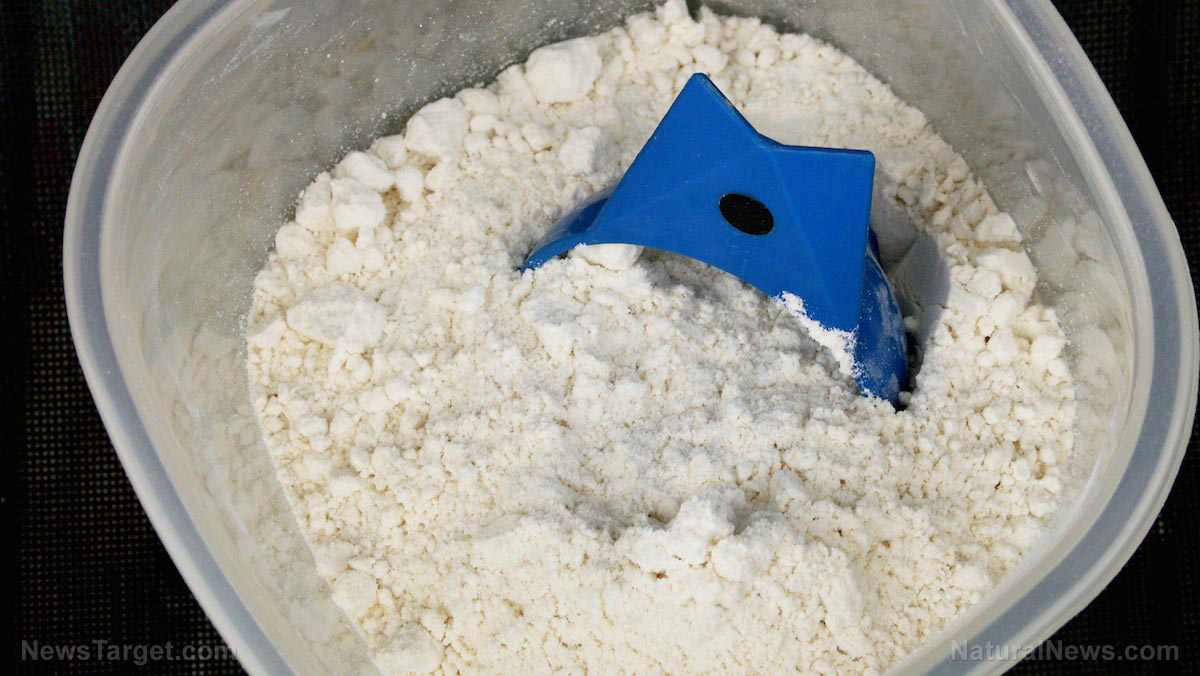
- Florida AG investigates potassium bromate in food products, targeting General Mills and Pillsbury.
- Potassium bromate remains legal in U.S. despite bans in 30+ countries and cancer risk warnings.
- Subpoenas seek records on safety, marketing, and sales to schools, highlighting consumer transparency gaps.
- Scientific studies link bromate to tumors, DNA damage, and oxidative stress in animals, with residual risks in baked goods.
- States like California and New York move to ban bromate as federal regulation lags, urging safer alternatives.
Florida Attorney General James Uthmeier opened an investigation this week into potassium bromate, a dough-strengthening additive that the European Union, Canada, China, India and dozens of other countries have banned but that remains legal in American bread, rolls and pizza crust. His office has issued subpoenas to General Mills and its subsidiary Pillsbury, seeking records on what the companies knew about the additive’s health risks, how they marketed bromated products, and whether any of it reached Florida schoolchildren.
“This investigation is about protecting Florida families and providing transparency to our consumers,” Uthmeier said. “Floridians have a right to know what is in the food they buy and feed their children.”
What Florida’s subpoenas are after
Issued under the state’s consumer-protection statutes, the subpoenas request the identities of the companies’ biggest Florida buyers, any disclosures made to those buyers, internal safety research, and — the detail Uthmeier stressed most — records of any sales to public schools. The named products include Gold Medal and Pillsbury bakery flours sold in bulk sacks.
“It is likely still in the food that you, at home, eat,” Uthmeier said, warning that it may turn up in “food that is being consumed by our children.” He signaled the probe will widen: “We will be starting with General Mills and their subsidiary Pillsbury, and the list will likely go on from there.” No lawsuits have been filed; the attorney general said his office wants “to learn more information” first.
What decades of research actually show
The case against the additive rests largely on animal data. In 1999, the World Health Organization’s cancer agency judged potassium bromate a possible human carcinogen after studies produced tumors in rats, mice and hamsters, while finding the human evidence inconclusive. Earlier reviews reported kidney, thyroid and abdominal tumors in rats given high doses, and researchers have separately tied the compound to kidney injury, DNA damage and oxidative stress that can wear down the body’s natural antioxidant defenses.
The food industry has long maintained that baking converts the additive into harmless bromide, but British testing detected leftover bromate in every one of six unwrapped loaves and in seven of 22 packaged ones. EWG’s Food Scores database currently flags roughly 675 products that still list potassium bromate or “bromated flour.”
A regulatory gap the states are filling
Potassium bromate was patented for baking in 1914 and cleared for use in flour in 1966, and the FDA’s promised 1973 safety review was apparently never completed. Federal rules cap how much can be added to flour — about 75 parts per million — but set no enforceable limit on how much bromate may remain in the finished loaf, and no routine federal testing verifies that it burns off.
California will bar the additive in 2027 under a 2023 law, New York has passed a similar ban awaiting the governor’s signature, Utah has removed it from school meals, and more than 20 states have taken up the issue. Even the American Bakers Association pledged in January to phase it out industry-wide by year’s end. Consumer advocate Rebekah Ricks put the frustration plainly: “Legality should be the baseline … not the gold standard.”
What the episode really exposes is a system that treats cost and convenience as reason enough to keep a questionable chemical in the food supply while leaving families in the dark. Safer, well-understood substitutes — vitamin C among them — have let bakeries across Europe and Canada make bread without bromate for a generation, which tells you the additive was never a necessity, only a shortcut. Americans shouldn’t need Washington’s permission to know what they’re feeding their children. Until federal regulators catch up with the rest of the world, the surest protection is an old-fashioned one: read the label, and choose bread made the honest way.
Sources for this article include:
Submit a correction >>
Tagged Under:
banned, bread, debt bomb, flour, ingredients, Potassium bromate, toxic ingredients, toxins
This article may contain statements that reflect the opinion of the author
RECENT NEWS & ARTICLES