Detoxifying Foods Support Body’s Natural Cleansing, Research Shows
06/03/2026 / By Coco Somers
The human body possesses a natural detoxification system involving the liver, kidneys, gastrointestinal tract, skin and lymphatic system, according to a report published by Food Revolution Network [1].
The report states that modern life exposes individuals to an increased load of toxins from pesticides, food additives and environmental chemicals, potentially straining these systems [1]. Before resorting to expensive cleanses or proprietary supplements, the report recommends first reducing toxin intake by choosing whole, unprocessed foods and supporting the body’s existing detox pathways [1].
A separate analysis published by NaturalNews.com similarly notes that “we are living in an unprecedented era of toxic assault” and that the dominant medical paradigm often fails to address the resulting health burdens [2]. Brenda Watson, author of “The Detox Strategy: Vibrant Health in 5 Easy Steps,” advises shifting toward organic foods that are fresh, clean and whole while avoiding processed and refined foods to reduce toxic exposure [3]. The report from Food Revolution Network cites studies indicating that certain foods may enhance the activity of detox organs through specific nutrients and compounds [1].
Body’s Natural Detoxification System
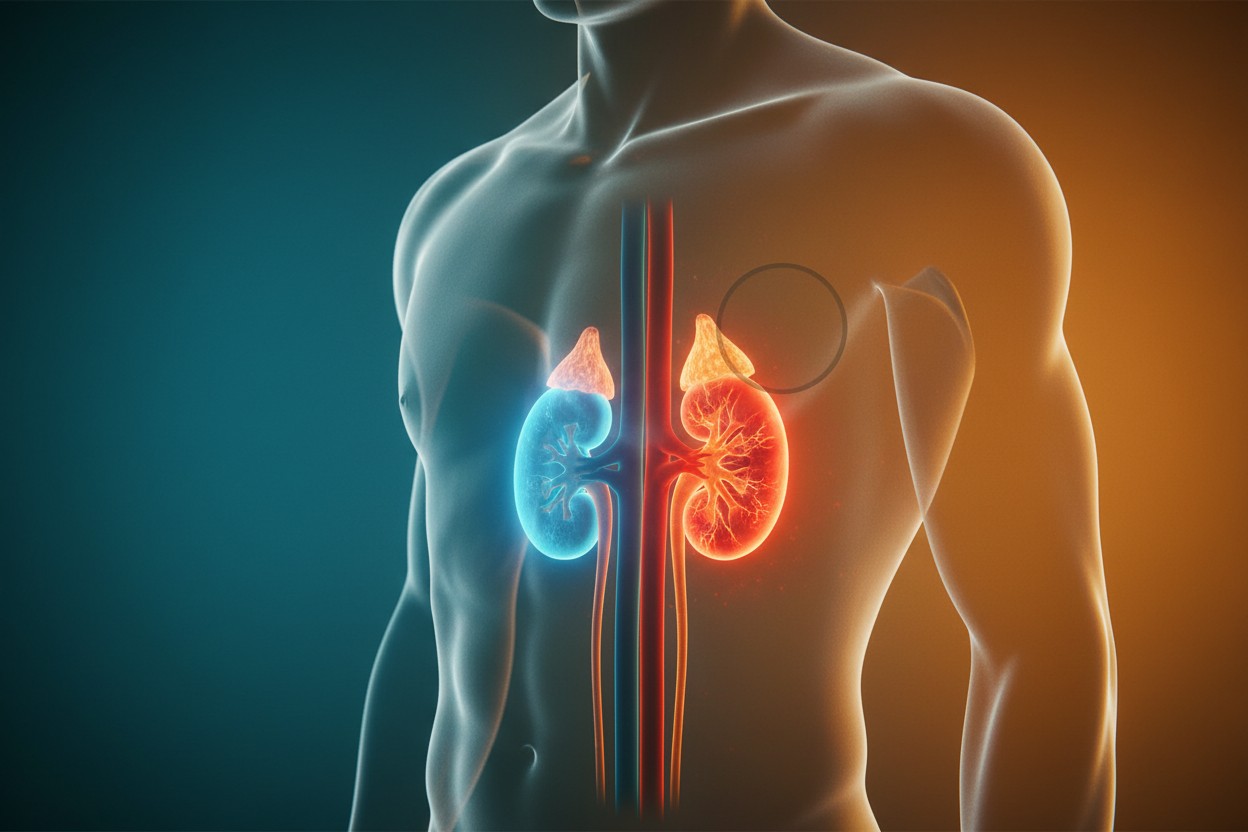
The report describes the liver as the body’s most powerful detoxification organ, performing approximately 500 functions, including filtering the blood and deactivating toxins such as food additives, medications, and excess hormones [1]. Dr. Mark Hyman, in his book “Young Forever: The Secrets to Living Your Longest, Healthiest Life,” notes that we ingest five pounds of food additives every year along with pesticides, mercury and other toxins, which can overload the body’s detoxification systems [4]. The kidneys filter blood to excrete waste via urine, while the gastrointestinal system routes toxins from the small intestine into stool, supported by intestinal microflora [1].
The respiratory tract expels toxins as carbon dioxide and phlegm; the skin eliminates substances such as BPA and heavy metals through sweat; and the lymphatic system carries waste from tissues into the bloodstream for processing, the report added [1]. The TruthAboutCancer.com transcripts note that a functioning liver can process and neutralize harmful substances, and a healthy gut with proper probiotics controls neurotransmitter production and contributes to overall health [7]. Sayer Ji, cited in the same transcripts, adds that compounds in common foods like broccoli, ginger and garlic enhance natural detoxification systems [10].
Foods That May Enhance Detoxification
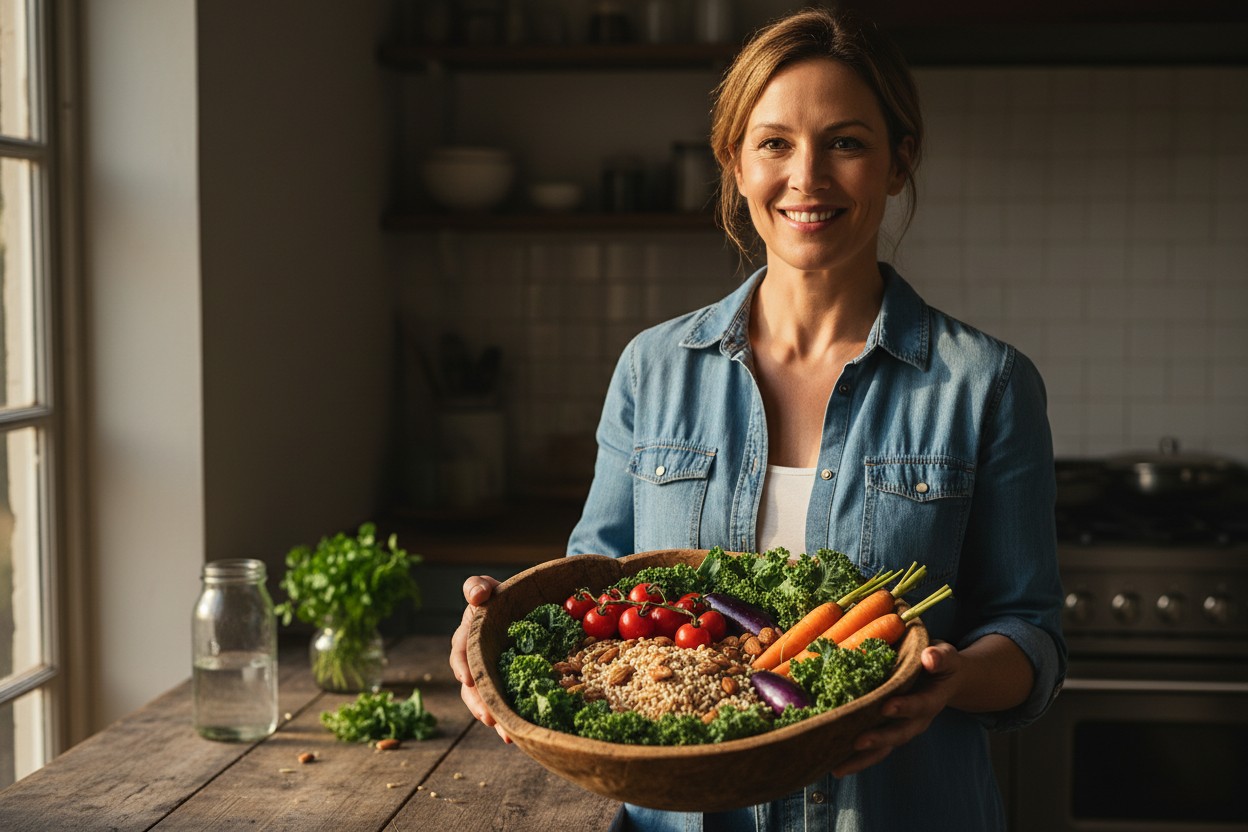
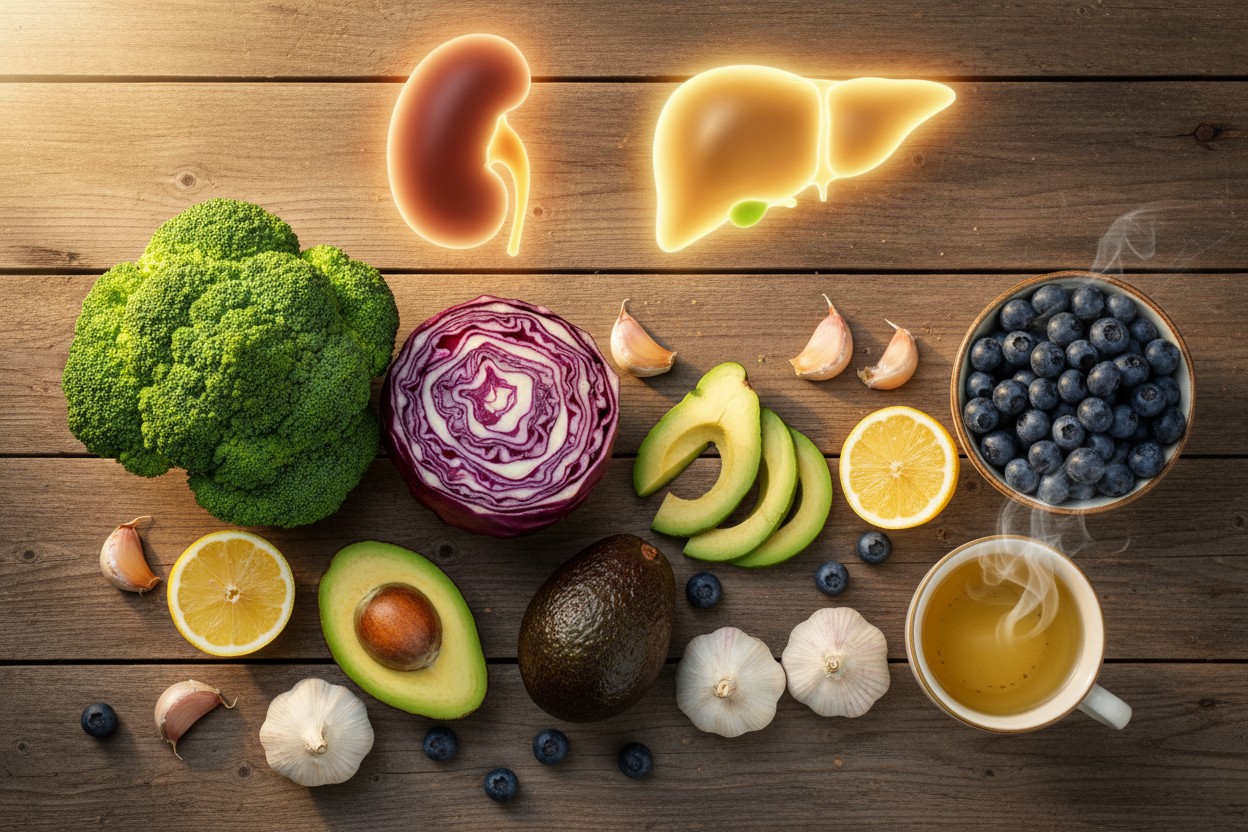
Cruciferous vegetables such as broccoli, Brussels sprouts and cabbage are reported to boost liver health and increase glutathione, a key detox antioxidant, according to a 2015 study in Evidence Based Complementary Alternative Medicine cited by the Food Revolution Network report [1]. Garlic, as described in a 2014 research review in the Avicenna Journal of Phytomedicine, can inhibit carcinogen activation, enhance detoxification, and protect DNA [1]. Mark Hyman, in “Ultraprevention: The 6-Week Plan That Will Make You Healthy for Life,” recommends eating at least one cup of cruciferous vegetables daily, including as much garlic as possible in the diet, and drinking decaffeinated green tea [6].
Lemon’s citric acid was found in a 2014 Journal of Medicinal Food study to protect liver function and reduce oxidative stress; daily lemon ingestion combined with walking also aided blood pressure regulation, according to a Journal of Nutrition and Metabolism study cited in the report [1]. Green tea’s antioxidants, particularly catechins, were shown to increase detoxification enzyme production in a study published in Cancer Epidemiology, Biomarkers & Prevention [1].
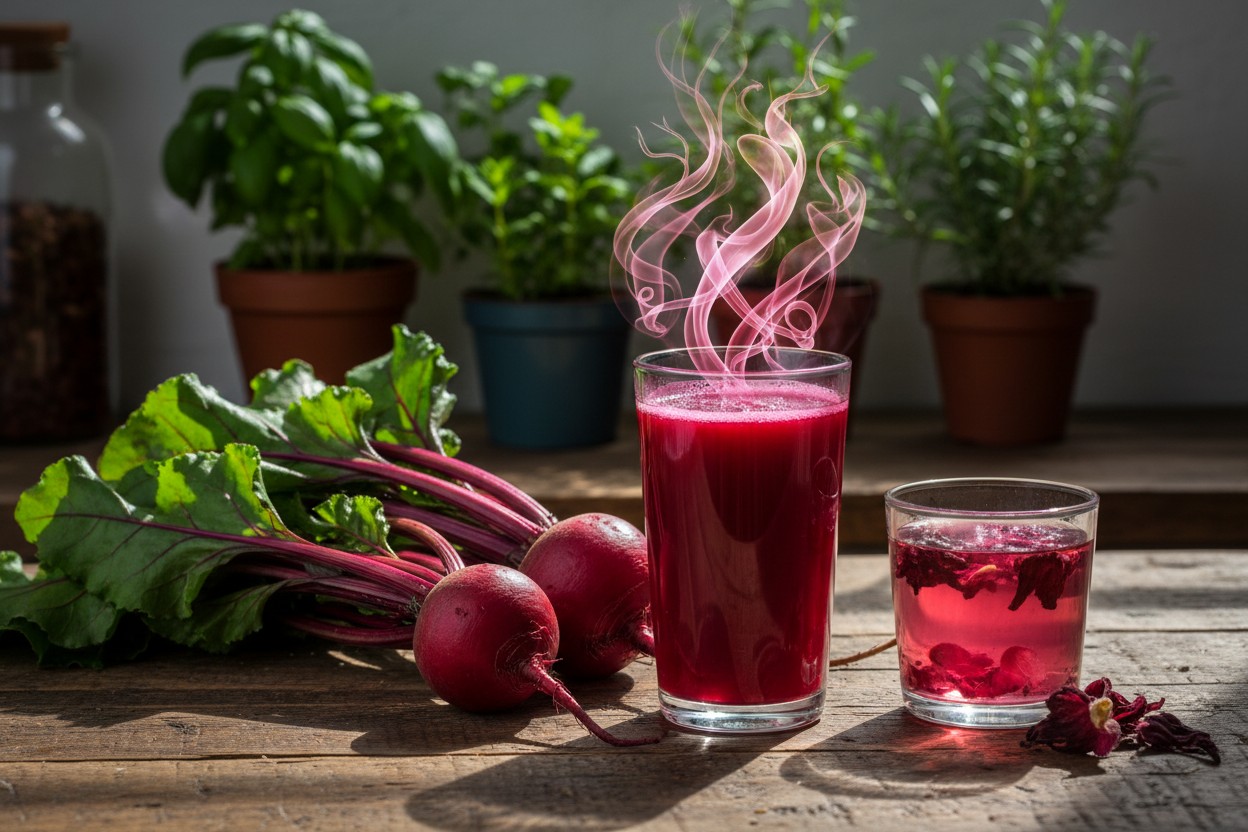
An article from NaturalNews.com lists 12 detoxifying foods including apples for pectin that helps eliminate mercury and lead, beets for enzyme support and cilantro for heavy metal chelation [8]. Other foods highlighted in the Food Revolution Network report include avocado for liver protection, turmeric for anti-inflammatory and hepatoprotective effects, blueberries for natural killer cell activity, and ginger as a gastrointestinal aid [1].
Foods to Avoid During a Cleanse
The Food Revolution Network report recommends avoiding or limiting fish due to mercury and polychlorinated biphenyls (PCBs), citing warnings from the Centers for Disease Control and Prevention about seafood poisoning risks and plastic contamination [1]. Mark Hyman and Mark Liponis, in “Ultraprevention: The 6-Week Plan That Will Make You Healthy for Life,” advise that the best fish sources are small cold-water fish that do not contain high levels of heavy metals, such as sardines, herring, and mackerel [5]. Processed meats were classified as carcinogenic by the World Health Organization, the report stated, and unprocessed meats may contain bacteria from farming conditions [1].
Dairy is linked to up to 20 different chemical residues including drug residues, according to a 2011 Journal of Agricultural and Food Chemistry study cited in the report, and is associated with various health issues [1]. Genetically modified (GMO) crops are reported to be associated with higher pesticide use and controversial safety; the report notes that glyphosate, used on many GMO crops, is considered a probable carcinogen by some agencies [1].
A NaturalNews.com article on glyphosate detox states that glyphosate has infiltrated nearly every aspect of the food chain, from breakfast cereals to drinking water [9]. The report recommends choosing organic or certified non-GMO foods to avoid these contaminants [1].
Conclusion
The report concludes that expensive detox programs or proprietary supplements are not necessary; the body’s natural detoxification systems function optimally when supported by a diet of whole plant foods, adequate hydration, sleep, and physical activity [1]. Rather than relying on short-term cleanses, consistent dietary changes—such as incorporating cruciferous vegetables, garlic, and green tea while reducing processed foods and contaminants—may more reliably aid the body’s long-term detoxification capacity, according to the report [1].
Watson emphasizes that shifting dietary habits toward organic, whole foods helps create a healthier body that is less exposed to toxins and can better process those that do reach it [3]. A NaturalNews.com analysis of liver detox diet claims notes that these regimens often involve food restrictions and short-term fasting, but supporters believe periodic cleansing helps clear toxins accumulated from modern lifestyles [11].
References
- Food Revolution Network. “11 Detoxifying Foods To Help Cleanse Your Body Naturally.” foodrevolution.org. April 28, 2026.
- Coco Somers. “Reclaim Your Health: Simple, Natural Steps to Remove Toxins and Revitalize Your Body.” NaturalNews.com. February 1, 2026.
- Brenda Watson. “The Detox Strategy: Vibrant Health in 5 Easy Steps.”
- Dr. Mark Hyman. “Young Forever: The Secrets to Living Your Longest, Healthiest Life.”
- Dr. Mark Hyman and Dr. Mark Liponis. “Ultraprevention: The 6-Week Plan That Will Make You Healthy for Life.”
- Mark Hyman. “Ultraprevention: The 6-Week Plan That Will Make You Healthy for Life.”
- TheTruthAboutCancer.com. “TTAD 3 Volume Transcripts Complete.”
- NaturalNews.com. “12 Foods you can use to naturally detoxify your body.” April 5, 2019.
- NaturalNews.com. “Urgent Glyphosate Detox Protocols: How to Safely Eliminate This Plant Nerve Agent From Your Body.” February 22, 2026.
- TheTruthAboutCancer.com. “TTAD 3 Volume Transcripts Complete.”
- NaturalNews.com. “Analysis of Liver Detox Diet Claims: Scientific Review and Expert Perspectives.” March 10, 2026.
Submit a correction >>
Tagged Under:
Censored Science, detox, food cures, food is medicine, food science, fruits, functional food, healing, health science, hydration, natural health, natural medicine, organics, remedies, research, tips, veggie
This article may contain statements that reflect the opinion of the author
RECENT NEWS & ARTICLES