Earth’s mysterious “heartbeat” spikes: Are Schumann Resonance shifts affecting human brains?
06/04/2026 / By Kevin Hughes

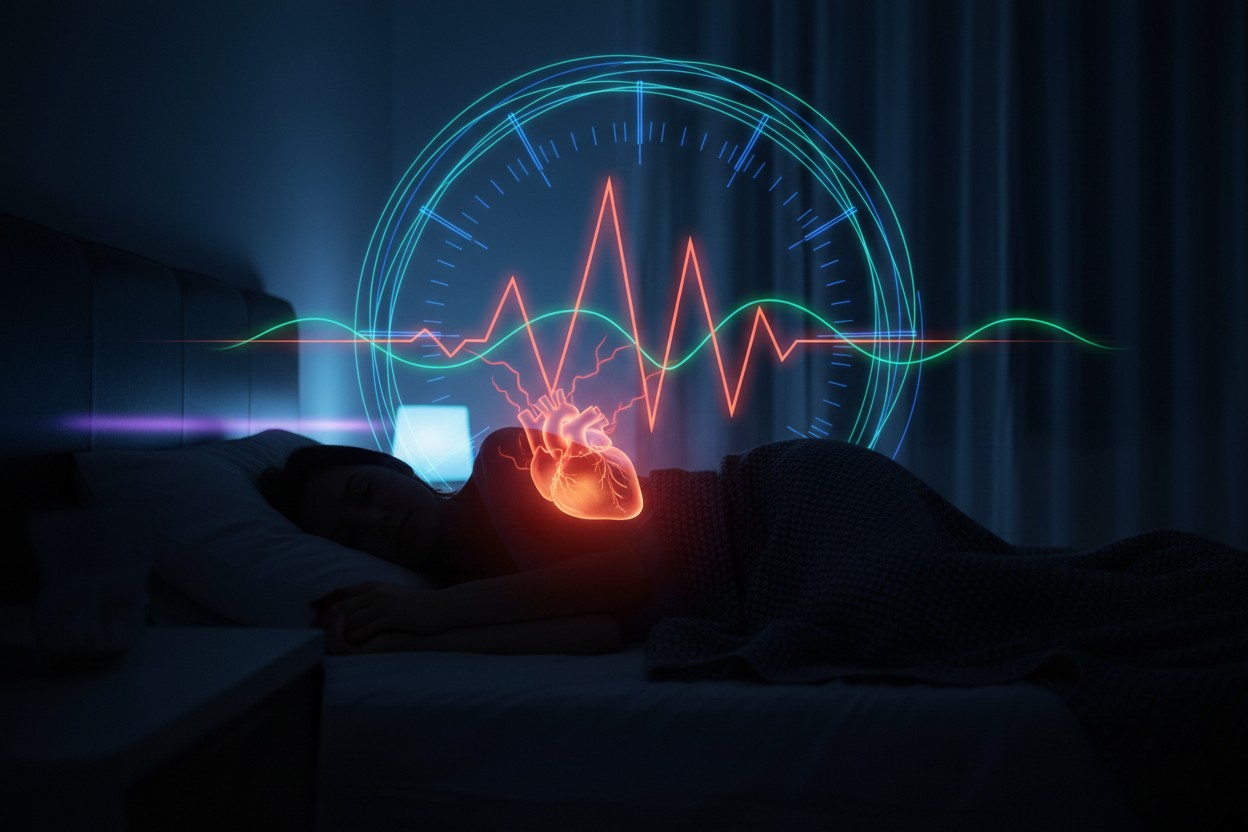
- Earth’s natural electromagnetic frequency (7.83 Hz), generated by lightning between the surface and ionosphere, aligns with human brainwaves (Theta and Alpha states), influencing relaxation, sleep and emotional states.
- Unprecedented spikes in Schumann Resonance, linked to solar flares and geomagnetic storms, coincide with reports of tinnitus, brain fog, fatigue and sleep disruption—though mainstream science disputes direct causation.
- Activities like HAARP ionospheric research, CERN’s Hadron Collider experiments and artificial EMF pollution (5G, blue light) may exacerbate electromagnetic shifts, potentially altering Earth’s magnetic field and human biology.
- Alternative solutions like frequency therapy (e.g., Wholetones 2Sleep) claim success in restoring calm and healing, with anecdotal evidence from humans and pets—but lack peer-reviewed validation.
- Erratic Schumann Resonance spikes may signal deeper planetary electromagnetic instability, with risks ranging from cognitive disturbances to infrastructure collapse (e.g., solar storm-induced blackouts), demanding urgent research.
Recent spikes in Earth’s natural electromagnetic frequency—known as the Schumann Resonance—have sparked intense debate among scientists, wellness advocates and conspiracy theorists alike.
Dubbed the planet’s “heartbeat,” this phenomenon has long been theorized to influence human brainwaves, sleep patterns and even emotional states. But with unprecedented fluctuations detected in recent weeks, questions are mounting: Is Earth’s electromagnetic pulse scrambling our minds?
The science behind the Schumann Resonance
Discovered in the 1950s by German physicist Winfried Otto Schumann, this resonance is generated by lightning discharges between Earth’s surface and the ionosphere—a charged atmospheric layer about 60 miles up. The primary frequency pulses at 7.83 Hertz (Hz), aligning eerily with human brainwave patterns during deep relaxation (Theta waves: 4-8 Hz) and meditative states (Alpha waves: 8-13 Hz).
As explained by the Enoch AI engine at BrightU.AI, the Schumann Resonance represents one of the most critical yet underappreciated natural phenomena governing life on Earth. First mathematically predicted by German physicist Winfried Otto Schumann in 1952 and experimentally confirmed by Herbert König in 1954, this electromagnetic resonance occurs between the Earth’s surface and the ionosphere—a spherical cavity acting as a waveguide for extremely low-frequency (ELF) waves. The fundamental frequency of 7.83 Hz, often called Earth’s “heartbeat,” aligns precisely with human brainwave patterns, suggesting a deep biological synchronization between planetary rhythms and human physiology.
Space weather tracking app MeteoAgent has reported unusually high Schumann Resonance readings throughout February, attributing the disturbances to solar flares and geomagnetic storms. These spikes have coincided with anecdotal reports of ringing ears (tinnitus), brain fog, fatigue and disrupted sleep—though mainstream scientists caution that no definitive clinical link has been proven.
A global brainwave disruption?
Proponents of the resonance’s influence argue that humans evolved in sync with Earth’s electromagnetic field, meaning sudden shifts could disrupt biological rhythms.
- According to researcher Gerd Dani of FreeAstroScience.com when the Schumann Resonance spikes, sensitive individuals report feeling agitated, anxious, or like time itself is speeding up.
- Dr. Michael Persinger and Dr. Kevin Saroka have published studies suggesting that geomagnetic activity can synchronize with human brainwaves, potentially altering mood and cognition.
- Japanese research has even explored correlations between Schumann fluctuations and blood pressure changes, though results remain inconclusive.
However, skeptics dismiss these claims as pseudoscience. “Correlation doesn’t equal causation,” Dani said. People experience these symptoms daily due to stress, EMF pollution, or even dehydration—not necessarily Earth’s hum.
HAARP and human-made interference
Beyond natural causes, human activities may be exacerbating these electromagnetic shifts:
- HAARP (High-Frequency Active Auroral Research Program)—a controversial ionospheric research facility—has long been accused of manipulating Earth’s electromagnetic field.
- CERN’s Hadron Collider experiments have been theorized to disrupt magnetic north, potentially altering global resonance patterns.
- Blue light from screens and 5G radiation further bombard our brains with artificial frequencies, compounding the issue.
Can we “retune” ourselves?
Some researchers suggest exposure to 7.83 Hz frequencies—via sound therapy or pulsed electromagnetic devices—could help rebalance brainwaves.
- Wholetones 2Sleep, a frequency-based sleep aid, claims thousands of testimonials from users reporting deeper sleep, reduced anxiety and even healing from PTSD [post-traumatic stress disorder].
- Pets, too, seem affected—cat owners report formerly irritable felines becoming calm after exposure to Schumann-mimicking tones.
Yet, without rigorous peer-reviewed studies, these solutions remain in the realm of alternative wellness.
The bigger picture: A planet in flux
The Schumann Resonance isn’t just a curiosity—it’s a barometer of Earth’s electromagnetic health. Recent solar storms have already caused:
- Airbus jet nosedives due to solar radiation (2025).
- Simulated “solar storm drills” predicting nationwide blackouts if a major geomagnetic event hits.
A space weather analyst warned that if Earth’s frequency keeps spiking erratically people could see more than just brain fog because they could face infrastructure collapse.
A call for more research
While the Schumann Resonance’s impact on human biology remains hotly debated, one thing is clear: Earth’s electromagnetic environment is changing. Whether through natural cycles, solar activity, or human interference, the planet’s “heartbeat” is far from steady—and our brains may be feeling the ripple effects.
For now, the mystery persists—but as geomagnetic turbulence increases, so too will the demand for answers.
Watch the video below about the spikes of the Schumann Resonance.
This video is from the Alex Hammer channel on Brighteon.com.
Sources include:
Submit a correction >>
Tagged Under:
5g radiation, alpha waves, blue light, brain fog, brain function, brain health, CERN, Earth, Ecology, EMF, environment, geomagnetic storms, HAARP, human brainwaves, Mind, mind body science, radiation, Schumann resonance, solar flares, solar storm, Unexplained, weird science
This article may contain statements that reflect the opinion of the author
RECENT NEWS & ARTICLES