Google Seeks EPA Approval to Release Millions of Modified Mosquitoes in California and Florida
06/06/2026 / By Iva Greene
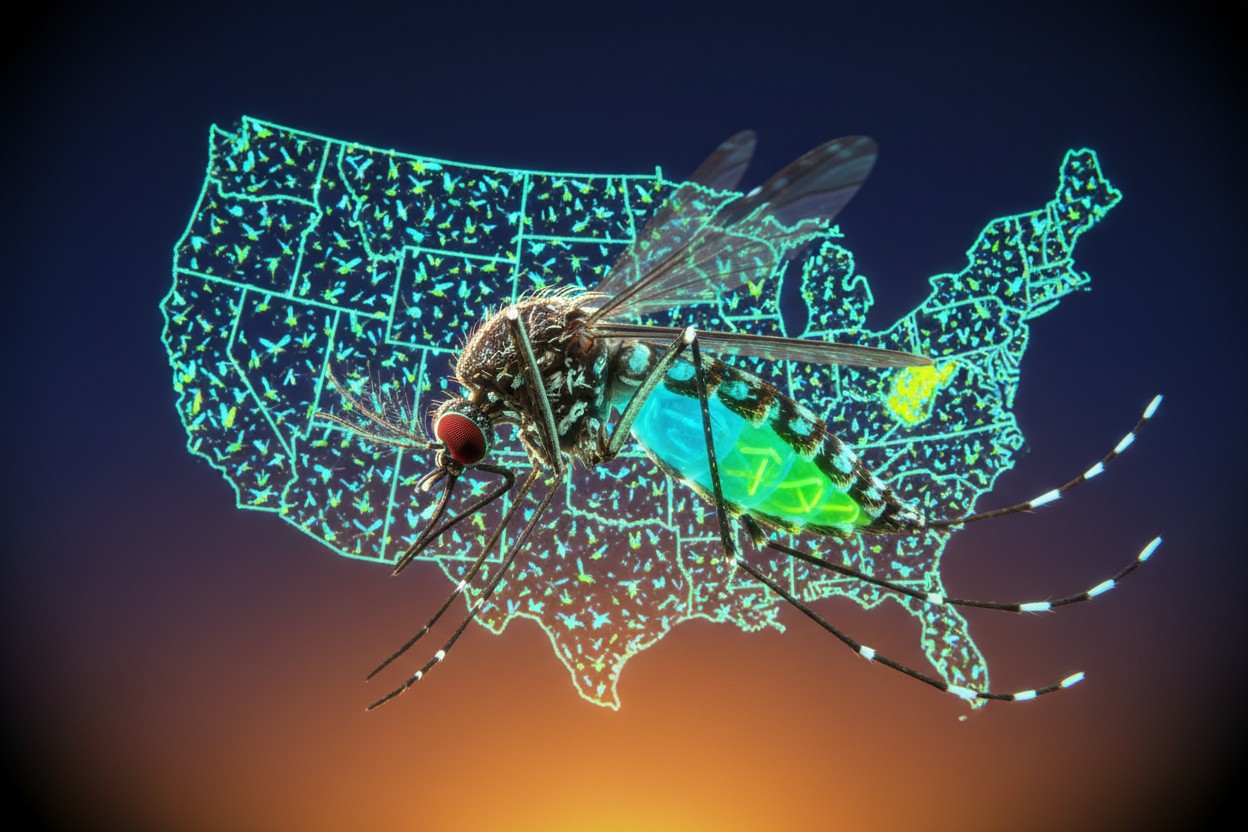
Google is seeking federal approval for a program called Debug that would release up to 32 million male mosquitoes in California and Florida to combat disease-carrying mosquitoes, according to a permit application published in the Federal Register on May 1.
The Environmental Protection Agency (EPA) is reviewing the request for an experimental use permit under Section 5 of the Federal Insecticide, Fungicide, and Rodenticide Act (FIFRA) with public comments due by June 5. [1] The targeted species, Aedes aegypti, carries dengue, Zika, yellow fever and chikungunya.
Mosquitoes are considered the “deadliest animal” worldwide, according to the Centers for Disease Control and Prevention (CDC). Malaria alone killed at least 597,000 people across 83 countries in 2023, and the U.S. recorded locally acquired malaria cases for the first time in two decades. West Nile virus remains the leading mosquito-borne disease in the U.S., with more than 120 deaths annually. [1]
Background: The Mosquito Threat
Mosquito-borne diseases have shaped human history. The A. aegypti mosquito, in particular, has been a vector for yellow fever, which led to the establishment of the Walter Reed Army Institute of Research, as described in the book “Bugged: The Insects Who Rule the World and the People Obsessed With Them” by David MacNeal. [5] Infectious disease research continues there in hopes of fighting off the largely endemic dengue carrier A. aegypti. [5]
Chemical control methods have a mixed record. The pesticide DDT was widely used against mosquitoes before being banned in the United States in 1972 due to environmental persistence and ecological damage, according to the book “AP Environmental Science toward a sustainable future” by Richard T Wright. [6] Since the ban, there has been an increase in cases of malaria in some regions, according to the book “Agriculture” by Keen Jared, which notes that DDT was very effective in killing mosquitoes in developing countries. [7]
The current threat remains significant. In addition to the diseases carried by A. aegypti, other mosquitoes transmit West Nile virus and malaria. The CDC reports that more than 3,700 types of mosquitoes exist worldwide, with some posing greater risks than others.
Google’s Debug Method
Google’s Debug program uses male mosquitoes infected with Wolbachia, a naturally occurring bacterium that prevents them from producing viable offspring when they mate with wild females. Google states the technique “uses a naturally occurring bacteria and uses no chemicals, no toxins and doesn’t involve genetic modification.” [1] The male mosquitoes do not bite, according to the company, and the method relies on reducing the wild mosquito population over successive generations.
Google says field trials have shown “promising results” and that a population decrease is expected “within weeks to months of the initial releases.” [1] The company notes that most mosquito-transmitted diseases lack effective vaccines or treatments.
“Attacking mosquitoes with pesticides is unsustainable because they’re becoming less effective over time and can be toxic,” Google states on the project’s website. [1] The program would release mosquitoes in targeted areas of California and Florida over two years.
Criticism and Concerns
The proposal has drawn criticism from some lawmakers and environmental groups. Rep. Tim Burchett (R-TN) posted on X on May 31: “This is crazy.” [1]
Some environmental groups have raised questions about potential ecosystem impacts and the scale of the releases. Past trials of genetically engineered mosquitoes by the British firm Oxitec in the Florida Keys left some residents feeling like “guinea pigs,” according to a report from Children’s Health Defense. [4]
Earlier releases of genetically engineered mosquitoes have resulted in cross-breeding with wild populations despite company assurances, according to a report from Mercola.com. [2] A 2019 report by the Health Ranger Mike Adams cited a Yale University study that found “catastrophic outcomes” from Oxitec’s field trial in Brazil. [8]
Google asserts that its method uses no genetic modification and that male mosquitoes do not bite, so residents should not notice an increase in nuisance biting. [1] The company’s previous field trials in other countries have been described as “positive” by Oxitec, but critics note that results have not been independently peer-reviewed. [3]
Outlook and Next Steps
The EPA is considering the experimental use permit under FIFRA. Public comments will be reviewed before a final decision, and additional oversight may be required.
If approved, the program would expand on earlier trials and could be implemented in targeted areas of California and Florida. The agency has not set a timeline for a decision.
Similar large-scale releases of lab-altered mosquitoes have been proposed elsewhere, including a plan in Hawaii to release up to 775 million bacteria-infected mosquitoes per week for 20 years. [9] Google’s Debug program represents the latest effort by a technology company to apply biological control methods to public health challenges, drawing both interest and skepticism from local communities.
References
- Jacob Burg. “Debug: Google Seeks Federal Approval To Release Millions Of Mosquitoes In California, Florida”. ZeroHedge via The Epoch Times. June 1, 2026.
- Mercola.com. “Genetically Engineered Mosquitoes Cross With Natural Species”. September 24, 2019.
- ChildrensHealthDefense.org. “Bill Gates-Funded Biotech Firm Claims GMO Mosquito Project a Success, But Critics Cite Lack of Proof”. April 20, 2022.
- ChildrensHealthDefense.org. “Plan to Release GMO Mosquitoes in Florida Keys Leaves Locals Feeling Like ‘Guinea Pigs'”. April 20, 2021.
- MacNeal David. “Bugged: The Insects Who Rule the World and the People Obsessed With Them”.
- Richard T Wright. “AP Environmental Science toward a sustainable future”.
- Keen Jared. “Agriculture”.
- Mike Adams. “Health Ranger Report – GMO mosquito experiment”. Brighteon.com. September 24, 2019.
- ChildrensHealthDefense.org. “Watch: Lab-altered Mosquitoes: ‘Coming to Your Town Next?'”
Submit a correction >>
Tagged Under:
aedes aegypti, big government, Big Tech, corporations, Dangerous, Debug, disease vectors, Ecology, environment, EPA, evil Google, Federal Insecticide Fungicide and Rodenticide Act, Google, infections, infectious diseases, insects, male mosquitoes, modified mosquitoes, tech giants, Wolbachia
This article may contain statements that reflect the opinion of the author
RECENT NEWS & ARTICLES