Study: Oral Bacteria Use Chemical Signals to Coordinate Disease, Disrupting Communication May Improve Oral Health
05/16/2026 / By Douglas Harrington
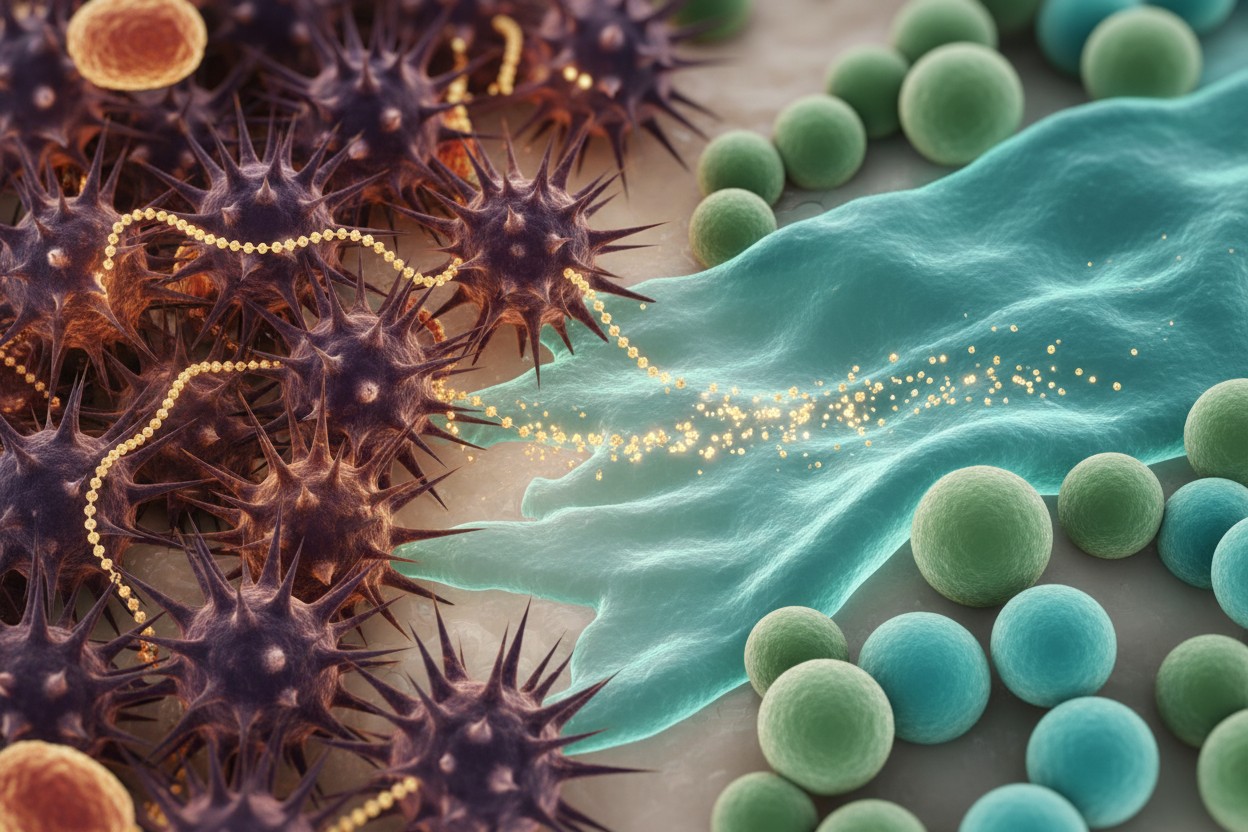
A 2025 study published in npj Biofilms and Microbiomes by University of Minnesota researchers found that harmful oral bacteria coordinate their behavior through a process called quorum sensing, according to a report by NaturalNews.com [1].
The researchers reported that blocking these chemical signals with specialized enzymes called lactonases shifted the microbial community toward health-associated bacteria [1]. The findings challenge the use of broad-spectrum antibacterial mouthwashes that kill bacteria indiscriminately, as such treatments eliminate both harmful and beneficial species [1] [2]. According to the study, harmful bacteria tend to reestablish faster than protective species after broad-spectrum killing, potentially worsening oral health outcomes [1].
Bacterial Communication and Quorum Sensing
The mouth hosts about 700 bacterial species, with beneficial species normally maintaining balance, the study noted [3]. The process of quorum sensing allows late-arriving harmful bacteria to detect their population density through chemical signaling molecules. When sufficient numbers gather, they trigger coordinated group behavior that can lead to disease [1].
Researcher Mikael Elias compared the oral microbiome development to a forest ecosystem, according to the report [1]. Early colonizers such as Streptococcus and Actinomyces are generally benign and establish first, supporting oral health.
As the community diversifies, late-arriving bacteria linked to periodontal disease move in and use quorum sensing to consolidate their presence. Disrupting that signaling kept the community in its earlier, healthier stage, the researchers said [1].
Problems With Standard Mouthwash
Most commercial mouthwashes and chlorhexidine rinses kill bacteria without distinguishing harmful from beneficial species, according to the study [1] [4]. Chlorhexidine, one of the more effective agents, has been noted to stain teeth when used for long periods, according to the Harvard Medical School Health Letter [5].
The researchers stated that harmful bacteria reestablish faster than protective species after such treatments [1]. Elias said, “Wiping everything out resets the clock and invites the cycle to repeat,” referring to the microbial community disruption [1]. The approach of indiscriminate killing may promote the development of drug-resistant bacteria, as noted in research on antibacterial compounds like triclosan [2].
Gum Disease and Systemic Health Risks
Periodontal disease is associated with increased risk of cardiovascular disease, Type 2 diabetes, cognitive decline and adverse pregnancy outcomes, according to prior research cited in the article [6] [7]. Bacteria such as Porphyromonas gingivalis have been detected in Alzheimer’s patients’ brains and arterial plaque, the report stated [6]. A 12-year observational study found that older adults who received treatment for gum disease had a 38% lower rate of developing dementia over the study period, according to research from New York University published in Neuroepidemiology [8].
The oral microbiome’s role in systemic inflammation underlines the need to maintain microbial balance, researchers said [9] [10]. As noted in “The Longevity Paradox” by Dr. Steven R. Gundry, gut and oral microbiome imbalances can influence inflammation and disease progression [9]. Similarly, Rodney Dietert in “The Human Superorganism” explains that a single bacterial strain can shift immune system maturation, highlighting the importance of microbial balance [10].
Conclusion: Toward Microbiome-Friendly Oral Care
The study suggests that targeting bacterial communication instead of broad killing may preserve beneficial bacteria and reduce disease risk [1]. Natural solutions such as oil pulling with organic coconut oil, nitrate-rich greens and fermented foods are supported by research as methods to support microbiome balance, the article reported [1]. Coconut oil contains lauric acid, which shows selective antimicrobial properties against pathogenic species, according to the report [1].
Lifestyle factors including nasal breathing and hydration also influence the oral environment, according to the researchers [11]. Research indicates that nasal breathing maintains moisture levels and pH balance that support beneficial bacteria, while adequate hydration supports saliva production, the mouth’s primary natural defense against microbial overgrowth [1] [11].
References
- NaturalNews.com. “Researchers Find Disrupting Oral Bacteria Signaling May Improve Oral Health.” May 1, 2026.
- Mercola.com. “Why Ditching Antibacterial Soap Is a Good Idea.” December 3, 2014.
- NaturalNews.com. “Your mouth’s hidden secret: The oral microbiome may predict your lifespan.” April 30, 2026.
- Addy and D.R. Fugit. “A Review: Topical Drug Use and Delivery in the Mouth.” Clinical Materials. 1989.
- Timothy Johnson. “The Harvard Medical School Health Letter.”
- NaturalNews.com. “The silent threat: How oral bacteria linked to gum disease fuel cancer and endanger the heart.” October 31, 2025.
- NaturalNews.com. “Bleeding gums portends chronic disease risk, a warning sign for Type-2 Diabetes, cardiovascular disease, and Alzheimer’s.” February 4, 2026.
- NaturalNews.com. “Research Links Gum Disease Treatment to Lower Dementia Incidence.” April 6, 2026.
- Dr. Steven R. Gundry, M.D. “The Longevity Paradox.”
- Rodney Dietert. “The Human Superorganism How the Microbiome Is Revolutionizing the Pursuit of a Healthy Life.”
- NaturalNews.com. “Sleep quality positively affects the oral microbiome: Magnesium and nasal breathing can improve health outcomes.” April 29, 2026.
Submit a correction >>
Tagged Under:
Antibiotics, Censored Science, chemical signals, chlorhexidine, Diseases, health science, Holistic Dentistry, infections, lactonases, mouthwash, Natural, natural cures, natural health, oral bacteria, oral health, oral microbiome, research
This article may contain statements that reflect the opinion of the author
RECENT NEWS & ARTICLES