New Paper Describes Potential Pathways for mRNA Vaccine Materials to Spread Between People
10/27/2026 / By Morgan S. Verity
A new, pre-print scientific paper states that materials from messenger RNA (mRNA) vaccines may spread through two distinct pathways: human-to-human transfer and internal transcriptional spread [1].
The paper listed Neo7Bioscience CEO and Founder John Catanzaro, McCullough Foundation President Dr. Peter McCullough and McCullough Foundation epidemiologist Nicolas Hulscher – with the latter as corresponding author. According to an X post by Hulscher on Monday, Oct. 26, direct testing of possible transfer through saliva, exhaled breath, sweat, or other bodily secretions has not been performed [1].
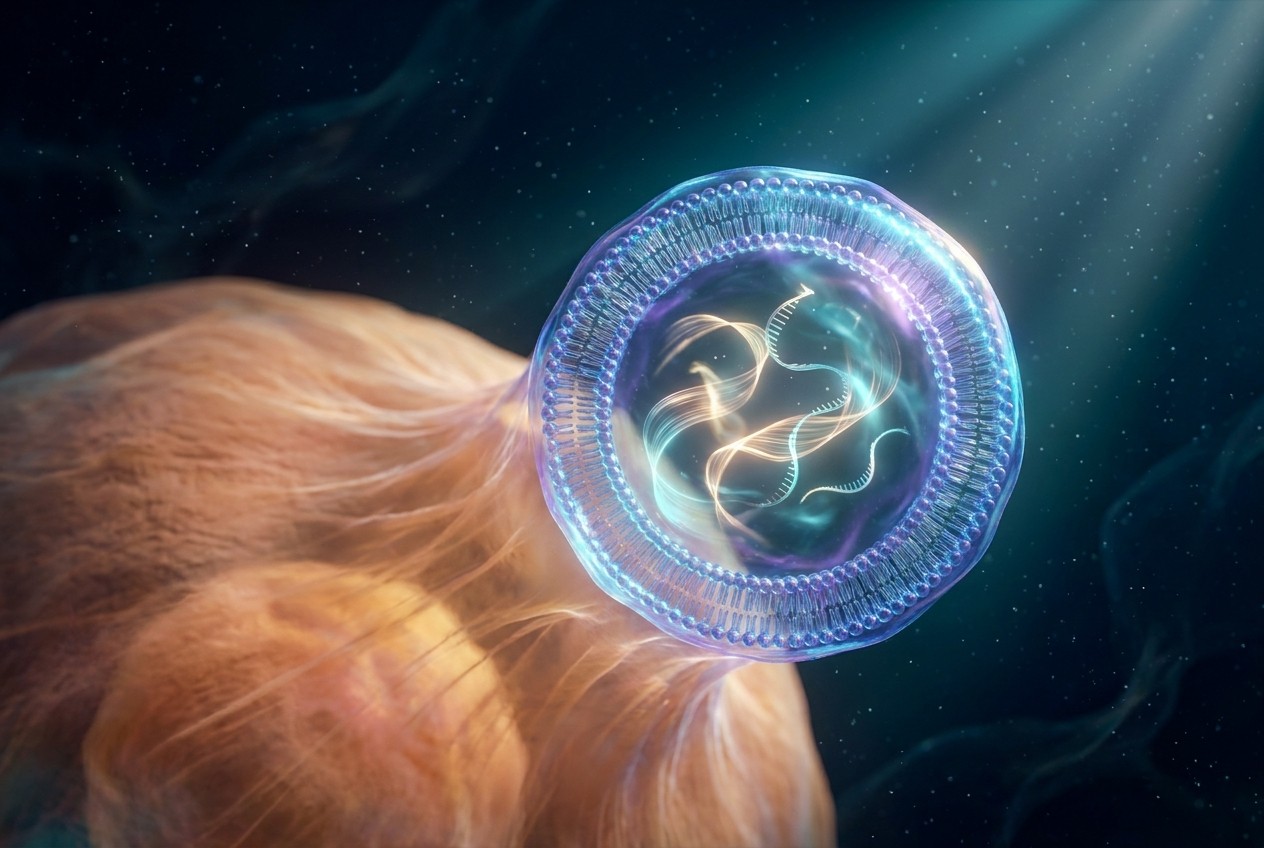
It cites studies that detected vaccine spike protein and mRNA on or within exosomes, which are small vesicles released by cells [2]. The paper’s claims have not been confirmed by direct experimental testing, and no regulatory agency or public health body was cited in the provided context as having reviewed or endorsed its conclusions.
Human-to-Human Routes Described in Paper
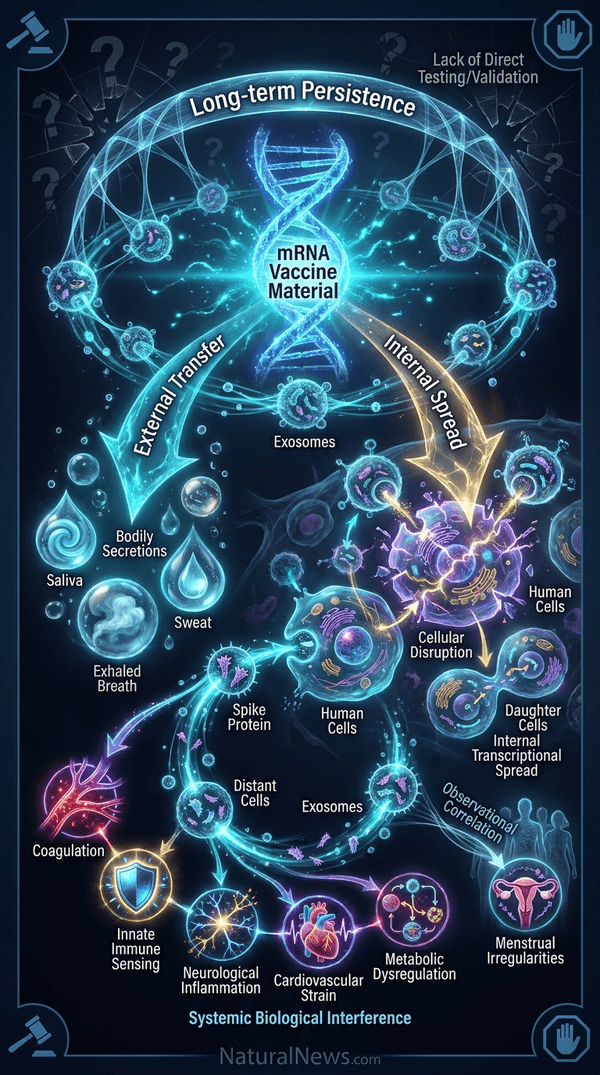
Exosomes are naturally present in breast milk, saliva, exhaled breath and sweat, according to the paper. Vaccine mRNA has been detected within exosomes in human breast milk, documenting its presence in a secretion naturally transferred from vaccinated mothers to infants, the paper states. For saliva, exhaled breath and sweat, exosomes have been confirmed but vaccine materials were not tested, according to the paper.
Exosomes can deliver genetic material into recipient cells and alter cellular activity, the paper states. The paper says this establishes a biological basis for possible human-to-human transfer. It cites an observational study reporting associations between proximity to vaccinated individuals and menstrual irregularities among unvaccinated women; the paper does not state that the study establishes causation.
Separately, a paper by Stephanie Seneff, Ph.D., and colleagues proposes that exosomes released from the lungs could be a mechanism for shedding spike protein. She added that experiments have shown exosomes are released from the lungs. The paper by Hulscher does not cite Seneff’s work in the provided context.
Internal Spread Through Cell Division and Cell-to-Cell Transfer
Following mRNA vaccination, human cells manufacture spike protein, which can be broken into fragments, released into the bloodstream, and transported throughout the body inside exosomes, according to the paper. The paper states that when spike-producing cells divide, daughter cells may inherit vaccine-derived proteins and other altered cellular materials, potentially extending effects across generations of cells. Exosomes can transport spike-related materials to distant cells that never received vaccine mRNA directly, disrupting their normal biological functions, the paper states.
The paper describes a proposed self-reinforcing cycle of molecular dissemination: spike production, fragmentation, exosome release, cellular disruption and further spread. It says vaccine-derived materials could interfere with five interconnected biological systems: blood coagulation, innate immune sensing, tumor-suppressor signaling, cellular receptor regulation and interferon signaling.
The paper’s description of exosome-mediated transport is consistent with broader research on extracellular vesicles, though the specific claims about mRNA vaccine materials require direct testing. According to the paper, the persistence of spike protein and mRNA in exosomes for years after vaccination is a key finding that underpins the proposed pathways.
Limitations and Calls for Testing
The paper calls for immediate testing of possible shedding routes and sustained cellular disruption. It recommends a halt to mRNA technology to protect bystanders from potential shedding; this is presented as the authors’ position. Independent researchers have raised questions about the persistence of vaccine materials. The paper’s claims have not been confirmed by peer review in the provided context.
Conclusion
The paper reports detection of vaccine mRNA and spike protein in exosomes and outlines possible internal and interpersonal spread pathways, according to its authors. It states that direct human-to-human transmission studies are absent and calls for immediate testing and a halt to mRNA technology. The paper’s conclusions have not been confirmed by direct experimental testing, according to the paper.
The claims attributed to the paper by Hulscher and his co-authors remain unverified by independent experimental work. The paper’s call for a halt to mRNA technology reflects the authors’ position and has not been adopted by any cited public health authority.
References
- BREAKING: New Paper Reveals How mRNA “Vaccine” Materials Could Spread From Vaccinated to Unvaccinated People. https://x.com/NicHulscher/status/2114736249525125243
- mRNA Vaccine Shedding: Internal Transcriptional Dissemination and Potential Human-to-Human Transfer. https://zenodo.org/records/23666330
Explainer Infographic
Submit a correction >>
Tagged Under:
. vaccines, biological weapons, bodily secretions, breast milk, Censored Science, exhaled breath, exosomes, human-to-human transfer, immunization, internal transcriptional spread, John Catanzaro, mRNA vaccine, Nicolas Hulscher, Peter McCullough, research, saliva, spike protein, Sweat, vaccine damage, vaccine wars
This article may contain statements that reflect the opinion of the author
RECENT NEWS & ARTICLES