Study Links Small Sleep, Activity and Diet Changes to Lower Risk of Major Cardiac Events
09/14/2026 / By Coco Somers
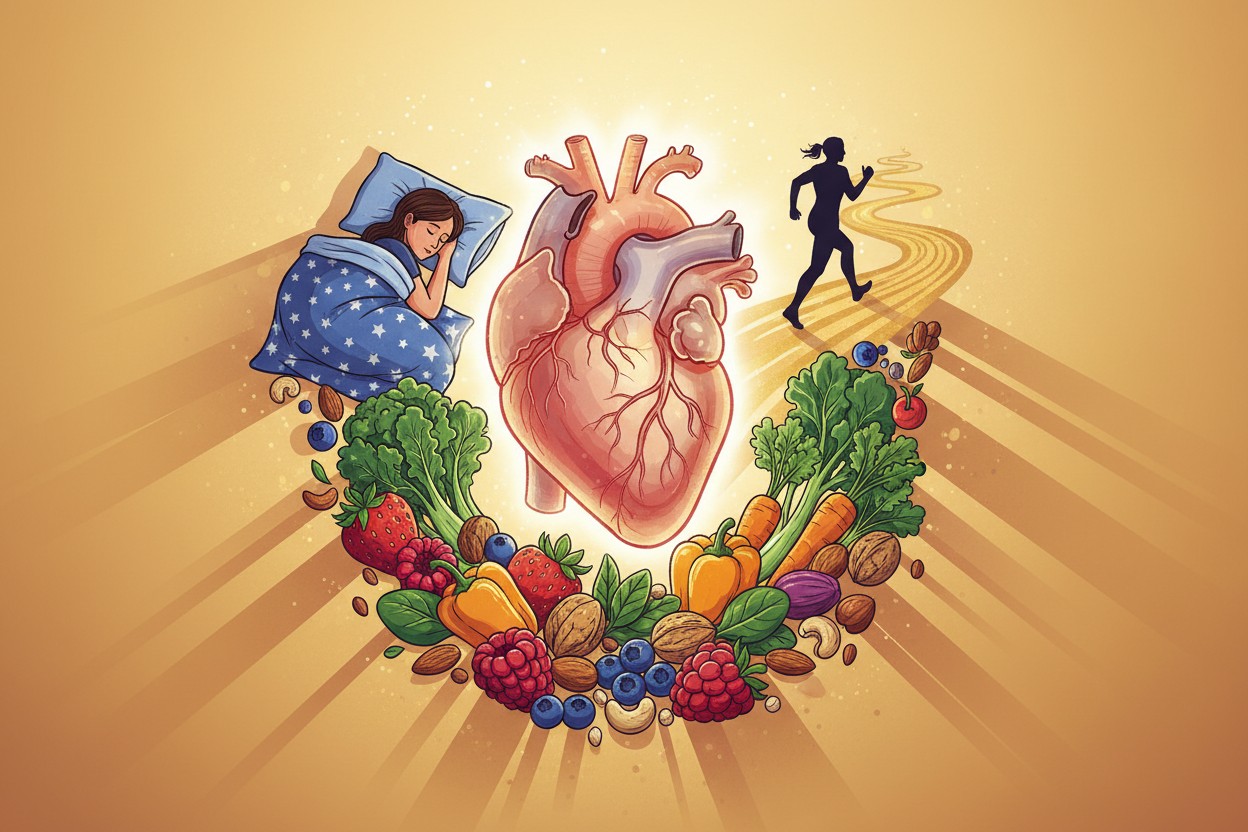
A study tracked more than 53,000 adults for about eight years and found that combining small improvements in sleep, physical activity and diet was associated with a lower risk of major cardiac events, according to a report published by mindbodygreen on April 8, 2026.
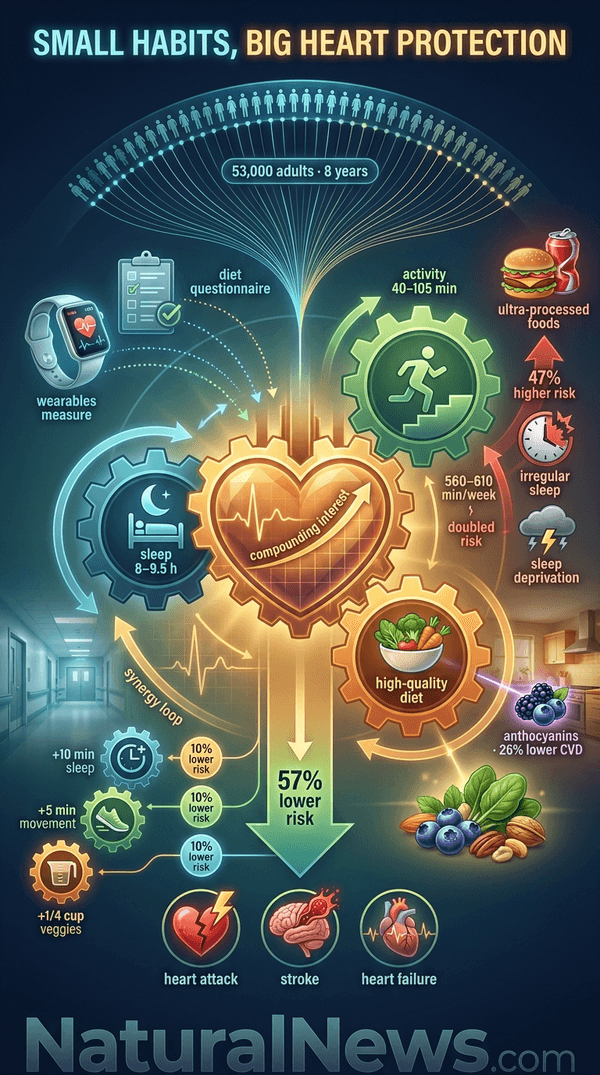
The study used wearable devices to measure sleep and activity and a questionnaire to score diet quality, the report stated. Researchers examined major heart events including heart attack, stroke and heart failure.
According to the report, participants who averaged 8 to 9.5 hours of sleep, 40 to 105 minutes of moderate-to-vigorous activity daily, and a high-quality diet had a 57% lower risk of major cardiac events over the study period. Smaller changes were also linked to measurable reductions in risk, the report stated.
Study Design and Scope
The study enrolled more than 53,000 adults and followed them for about eight years, according to the mindbodygreen report. Sleep and moderate-to-vigorous activity were measured with wearable devices, and diet quality was assessed with a short questionnaire, the report stated.
Researchers analyzed combinations of behaviors rather than only whether participants met ideal targets, the report stated. According to the report, this approach allowed researchers to observe what smaller, realistic changes could mean for heart health.
Outcomes included heart attack, stroke and heart failure, the report stated.
Separate research has linked short and irregular sleep to higher cardiovascular risk. A ten-year study of 3,231 adults conducted by researchers at the University of Oulu in Finland linked irregular bedtimes and short sleep duration to a doubled risk of major cardiovascular events [1]. Other reported findings have associated chronic sleep deprivation with higher risk of heart disease, stroke, hypertension, diabetes and dementia [2].
Diet quality has likewise been tied to cardiac outcomes. A study published in February 2026 in The American Journal of Medicine found that adults with the highest consumption of ultra-processed foods faced a 47% higher risk of heart attack or stroke, according to researchers at Florida Atlantic University [3].
Findings on Ideal and Modest Behavior Combinations
Participants averaging 8 to 9.5 hours of sleep per night, 40 to 105 minutes of moderate-to-vigorous activity daily, and a high-quality diet had a 57% lower risk of major cardiac events, according to the study reported by mindbodygreen.
Smaller changes were also linked to lower risk. Adding 10 extra minutes of sleep, 5 extra minutes of daily movement, and a quarter cup of vegetables each day was associated with a 10% reduction in major cardiac events, the report stated.
The report stated that the behaviors interact: better sleep can support energy and appetite, movement can improve sleep, and diet can fuel activity and rest. According to the report, combining modest changes across sleep, movement and diet had a larger effect than focusing on one behavior alone.
A related study from the University of Sydney found that small daily habit changes, such as five extra minutes of sleep, two more minutes of activity, and modest diet improvements, were linked to about one additional year of life among people with the poorest health habits [4]. A report on the longevity triad described small, combined improvements in sleep, physical activity and diet as working synergistically to reduce mortality risk and extend healthy years of life, with the most significant gains seen among those starting with the least healthy habits [5].
Recommended Adjustments and Public Health Context
The mindbodygreen report suggested going to bed 10 minutes earlier, adding short movement breaks such as stairs or squats, and adding a quarter cup of vegetables to a meal or snack. It contrasted these incremental steps with broader targets such as 150 minutes of exercise per week or eight hours of sleep.
The article stated that the findings may offer an alternative to all-or-nothing lifestyle approaches. Mindbodygreen reported the study as large-scale and wearable-tracked.
Other research has examined larger volumes of activity. An observational study published online Aug. 8 in the British Journal of Sports Medicine found that 560 to 610 minutes per week of moderate-to-vigorous physical activity was associated with a more than 30% lower risk of heart attack and stroke, according to the study [6]. Pooled data on stair climbing linked the activity to a 39% lower risk of heart disease death, with study author Vassilios Vassiliou, a professor at the University of East Anglia’s Norwich Medical School, describing taking the stairs as “a practical and often overlooked way to build physical activity into daily life” [7].
Additional research has examined specific dietary components. A meta-analysis pooled data from 18 large cohort studies and 65 randomized controlled trials and associated anthocyanins, the compounds responsible for the deep blue, red and purple color in berries, with a 26% lower risk of cardiovascular disease [8]. A randomized, double-blind, placebo-controlled clinical trial involving 48 women found that consuming one cup of blueberries daily for eight weeks reduced blood pressure and arterial stiffness in postmenopausal women with pre- and stage 1 hypertension [9].
A 2026 article on the compounding interest of prevention stated that heart disease prevention is most effective through proactive, sustainable lifestyle changes, with key pillars including a whole-foods diet, regular movement, quality sleep and stress management [10].
Conclusion
The study linked small, combined improvements in sleep, activity and diet to lower risk of major heart events, according to the report published by mindbodygreen. Participants who met ideal ranges for all three behaviors had a 57% lower risk of major cardiac events, while smaller changes were associated with a 10% reduction, the report stated.
The report stated that consistent modest changes across the three behaviors may produce a greater effect than focusing on one behavior alone. It recommended incremental adjustments rather than perfect adherence.
References
- Coco Somers. “Study Finds Short Sleep Duration and Irregular Sleep Times Increase Cardiovascular Risk”. NaturalNews.com. April 26, 2026.
- NaturalNews.com. “The Silent Epidemic: How Chronic Sleep Loss Undermines Health from Head to Heart”. NaturalNews.com. January 31, 2026.
- NaturalNews.com. “Study Links Ultra Processed Foods to 47 Higher Heart Attack Stroke Risk”. NaturalNews.com. May 8, 2026.
- NaturalNews.com. “Study Finds Small Daily Lifestyle Changes Can Add Years to Life and Health”. NaturalNews.com. January 22, 2026.
- NaturalNews.com. “The Longevity Triad: How Tiny, Combined Tweaks to Sleep, Exercise, and Diet Can Add Years to Your Life”. NaturalNews.com. February 2, 2026.
- NaturalNews.com. “Study: 560 to 610 Minutes of Weekly Exercise Tied to Substantial Heart Risk Reduction”. NaturalNews.com. August 14, 2026.
- NaturalNews.com. “Stair Climbing Linked to 39% Lower Heart Disease Death Risk, Study Finds”. NaturalNews.com. September 9, 2026.
- NaturalNews.com. “Berry Compound Linked to 26% Lower Cardiovascular Risk, Meta-Analysis Finds”. NaturalNews.com. August 20, 2026.
- NaturalNews.com. “America’s #1 killer meets its match: How blueberries are quietly reversing the hypertension epidemic”. NaturalNews.com. September 10, 2026.
- Willow Tohi. “The Compounding Interest of Prevention: How Lifelong Heart-Healthy Habits Pay Off”. NaturalNews.com. January 13, 2026.
- Jacob Thomas. “New Study Reveals Combining Small Lifestyle Improvements Significantly Reduces Risk of Major Cardiovascular Events”. NaturalNews.com. April 26, 2026.
Explainer Infographic
Submit a correction >>
Tagged Under:
alternative medicine, diet changes, exercise, fitness, food cures, health science, heart attack, heart disease, heart health, longevity, Mind, mind body science, natural cures, natural health, natural medicine, Naturopathy, prevention, research, sleep, sleep habits, sleep hygiene
This article may contain statements that reflect the opinion of the author
RECENT NEWS & ARTICLES