Study: Higher Vitamin B2 and B6 Intake Tied to Lower Odds of Advanced CKM Syndrome
08/24/2026 / By Coco Somers
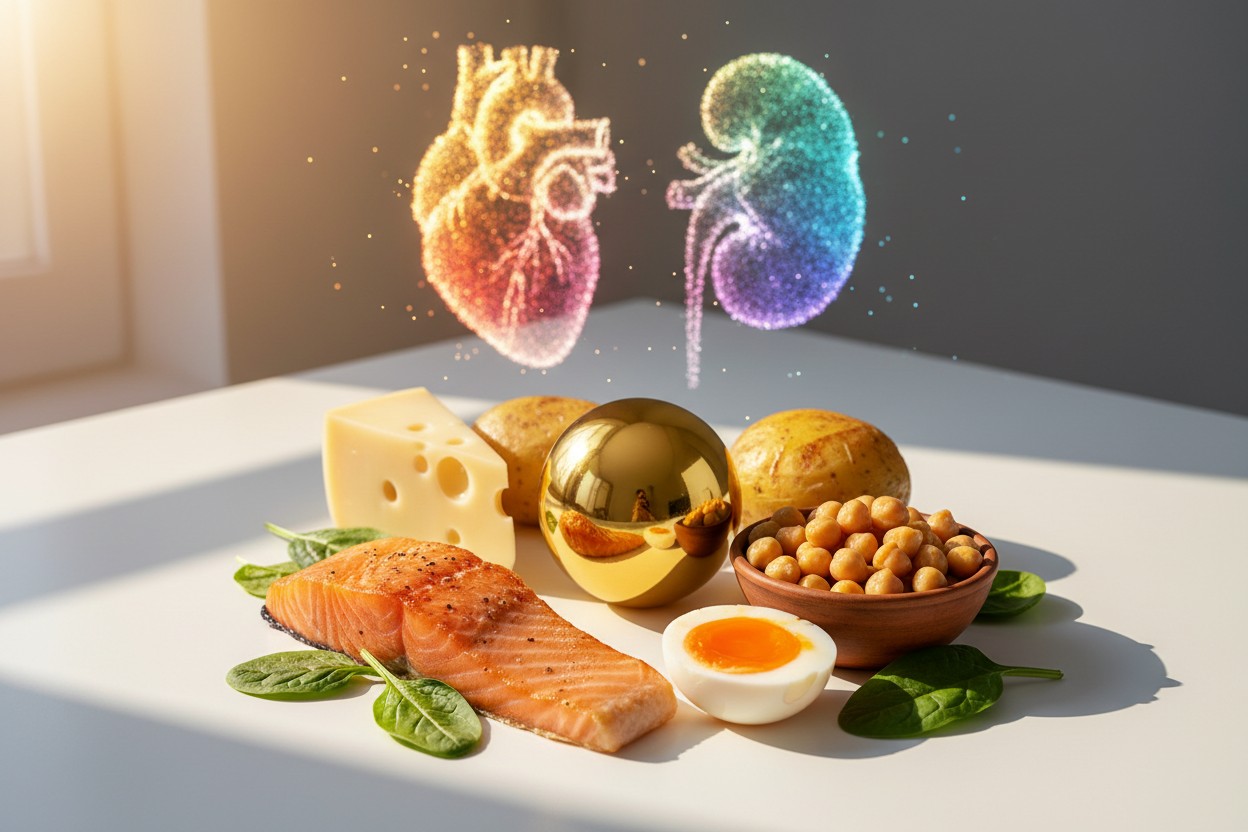
Higher dietary intakes of vitamins B2 and B6 were associated with lower odds of advanced cardiovascular-kidney-metabolic (CKM) syndrome, according to a study published in Frontiers in Nutrition.
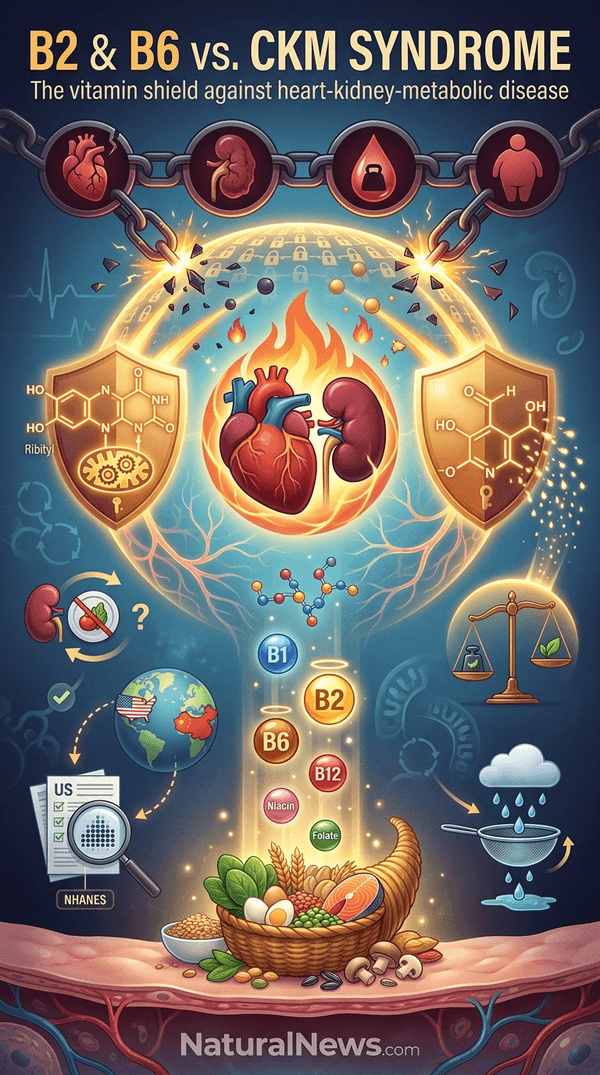
The analysis of 14,576 U.S. adults found that those with the highest intake of vitamin B2 had 27% lower odds of advanced CKM syndrome compared with those with the lowest intake. Meanwhile, the highest intake of vitamin B6 was associated with 26% lower odds, the study reported.
CKM syndrome is a framework that recognizes how closely conditions such as heart disease, kidney disease, diabetes and obesity can overlap, according to the report. The researchers used data from the National Health and Nutrition Examination Survey collected between 2011 and 2020 and reported a similar pattern in a separate group of 323 adults in China.
About the Study
The study examined six B vitamins – B1, B2, B6, B12, niacin, and folate – and defined advanced CKM syndrome as stages 3 and 4, meaning very high risk of cardiovascular disease or established cardiovascular disease, according to the study. Participants completed two 24-hour dietary recalls, allowing researchers to estimate their intake of each B vitamin.
The researchers adjusted for factors including age, income, smoking, alcohol use, physical activity and overall diet quality. B vitamins are water-soluble nutrients that the body does not store, which means they must be consumed each day to meet the body’s requirements, according to Mercola.com [1]. The team then tested whether the same patterns appeared in the separate group of 323 adults in China.
Findings on B2 and B6
When all six B vitamins were analyzed together, B2 and B6 showed the strongest relationship with advanced CKM syndrome, the researchers reported. Niacin showed a smaller association, while B1 and folate were not consistently linked to advanced CKM syndrome once the researchers accounted for factors such as age, income, smoking and diet quality.
A similar pattern appeared in the separate Chinese cohort, according to the study. The associations remained after the researchers accounted for overall diet quality, indicating the relationship was not simply a reflection of healthier eating patterns, the report stated.
The findings align with earlier research on B vitamins and inflammation. A study conducted at Tufts University involving 1,205 Puerto Rican elders found that vitamin B6 deficiency was associated with inflammation, oxidative stress and chronic inflammatory conditions [2]. Vitamins B6, B9 and B12 help break down homocysteine, an amino acid whose elevated levels are associated with cardiovascular disease and decreased immune response, according to a separate report [3].
Mechanism and Limitations
B2 and B6 function as cofactors, meaning certain enzymes cannot perform their work without them, including enzymes that convert food into usable energy. The two vitamins also help the body manage oxidative stress and inflammation, which are involved in cardiovascular, kidney, and metabolic problems, according to the report. Vitamin B2 (riboflavin) has been identified as a determinant of plasma total homocysteine levels, while vitamin B6 (pyridoxine) participates in homocysteine metabolism pathways, according to reference literature [4].
The study was cross-sectional, meaning diet and health were measured at roughly the same point in time, so it cannot establish cause and effect. The researchers noted that people with more advanced disease may eat differently because of changes in appetite, illness, or dietary restrictions. The study only counted B vitamins from food, not from supplements, which may have understated total intake, the report stated.
Takeaway
The researchers said the finding adds to the case for getting enough B vitamins from food but does not prove that B2 and B6 protect against disease. B2, also called riboflavin, is found in dairy, eggs, meat and some leafy greens, while B6 is found in poultry, fish, potatoes, chickpeas and other foods, according to the report.
Whole-grain products, which have higher B vitamin content and low glycemic indices, have been reported to control glucose tolerance and reduce insulin problems, according to a study of B vitamins in grain, cereal-grain food, soy-products and seeds [5]. The report stated that a balanced, nutrient-rich diet remains the foundation, and B2 and B6 should not be viewed as two nutrients working on their own.
References
- Mercola.com. “Keep These B Vitamins on Your A-List”. Mercola.com. February 20, 2023.
- NaturalNews.com. “Low vitamin B increases inflammation and caus”. NaturalNews.com. April 05, 2013.
- Mercola.com. “A Must for Healthy Cells and Nerves Are Y”. Mercola.com. December 04, 2023.
- Mitchell Bebel Stargrove and Lori Beth Stargrove. “InteractionsGuide-MedicineWorks”. 2008.
- Elsevier. “Vitamins B in grain and cereal–grain food, soy-products and seeds”. Nutrition Research. 2005.
Explainer Infographic
Submit a correction >>
Tagged Under:
advanced CKM syndrome, cardiovascular disease, cardiovascular-kidney-metabolic syndrome, Censored Science, diabetes, diabetes cure, diabetes science news, fight obesity, health science, Heart, heart disease, kidney health, metabolic health, metabolism, natural health, nutrients, prevent diabetes, Pyridoxine, research, reverse heart disease, riboflavin, vitamin B2, vitamin B6, vitamin intake
This article may contain statements that reflect the opinion of the author
RECENT NEWS & ARTICLES