Researchers Examine Cardiorespiratory Fitness as Heart Disease Predictor
08/18/2026 / By Petra Stone

An umbrella review published in the journal Sports Medicine examined whether cardiorespiratory fitness can identify existing cardiovascular disease or predict serious cardiac events, according to the report. Researchers analyzed six large research reviews covering more than 31,000 people across multiple populations, the report stated.
The review asked whether CRF, measured most commonly through VO2 max, can serve as a diagnostic tool for heart disease in individuals who already have it, or as a predictor of future cardiac events. The findings were most reliable for people with existing health conditions, according to the report.
What the Review Examined
Cardiorespiratory fitness measures how well the heart, lungs, and muscles work together during movement, and VO2 max, the maximum amount of oxygen the body can use during exercise, is the standard way to measure it, according to the review. CR fitness, VO2 max, aerobic capacity, and cardiovascular fitness are terms used synonymously to describe the maximal capacity to produce energy aerobically, according to exercise physiology literature [1]. The heart and lungs work together as a unit to supply oxygen to the tissues in relation to their needs, according to standard exercise testing references [2].
The American Heart Association has previously recommended that CRF be treated as a standard clinical measurement similar to blood pressure or cholesterol, the report noted. Six large research reviews covering heart health outcomes across different populations were pulled together for the analysis, including one focused on mitochondrial disorders, where the body’s cells struggle to produce energy properly.
The researchers sought to determine whether CRF could detect heart disease in people who already have it or predict who is likely to develop a serious cardiac event, the report stated. Decades of fitness research indicate that physical activity is one of the best preventive measures available, alongside nutrition, sleep, and hydration [3].
Findings Vary by Population
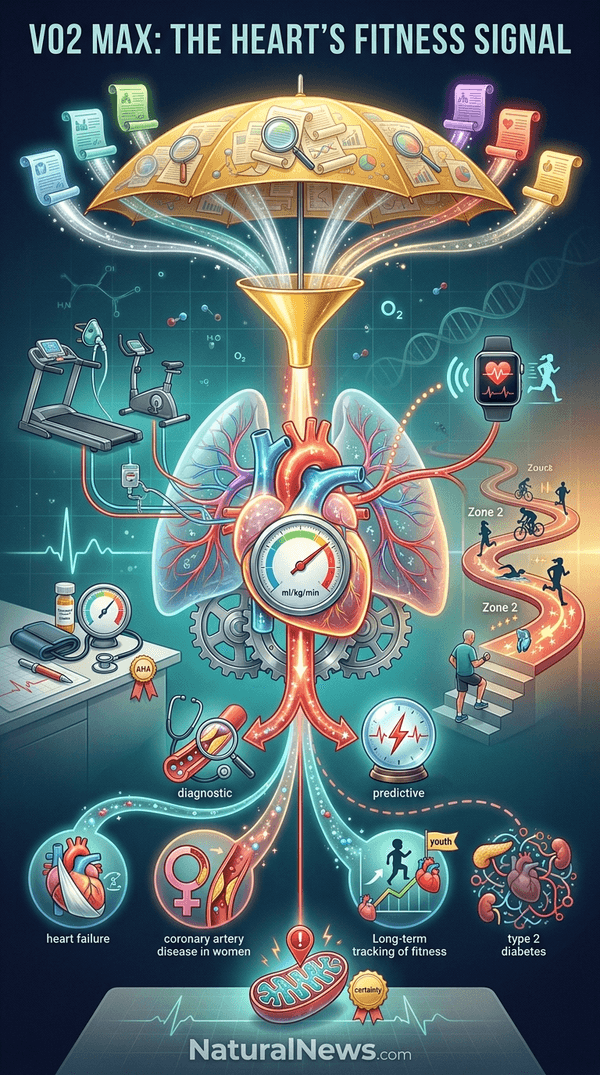
In people with heart failure, CRF was a strong predictor of serious cardiac events such as sudden cardiac death or the need for a heart transplant, according to the review. In women being evaluated for blocked arteries, CRF showed high accuracy as a diagnostic tool, the report stated.
For people with Type 2 diabetes, the accuracy was lower because heart disease in that group is more complex and harder to detect with a single measure, researchers said. CRF also showed the ability to flag cardiovascular risk in otherwise healthy children and teens, a finding researchers said stands out because fitness is rarely discussed as a health marker in children.
The only finding rated with high certainty was CRF’s high accuracy at detecting mitochondrial disorders in adults, the review stated.
Researchers Cite Limitations in Evidence
The quality of the underlying research was rated low across the board, and the confidence in results varied widely by outcome, according to the report. The findings are most reliable for people who already have a health condition, and the picture is less clear for healthy adults, the review stated.
Researchers noted the evidence base still has room to grow before CRF can be considered a definitive screening tool, the report said. The review’s authors said the results should be interpreted with caution given the variability in the underlying studies.
Practical Use and Tracking
Many fitness trackers and smartwatches now estimate VO2 max using heart rate data during exercise, and some offer a resting estimate based on age and basic health metrics, according to manufacturers. Submaximal exercise testing can estimate VO2 max based on the linear relationship between heart rate and oxygen consumption, according to exercise testing references [4]. A separate review of studies found that fitness trackers increased physical activity among patients with conditions such as coronary heart disease, heart failure, and stroke, according to a 2026 report [5].
These estimates are not perfectly precise but are useful for tracking trends over time, researchers said. Consistent aerobic exercise such as brisk walking, running, cycling, or swimming, along with Zone 2 cardio and interval training, were cited as effective strategies for improving CRF. A study published in the British Journal of Sports Medicine found that adults who exercised 560 to 610 minutes per week had more than a 30 percent lower risk of cardiovascular disease compared with inactive individuals, according to a separate report [6].
The review suggested tracking CRF alongside other standard health markers such as blood pressure and cholesterol, as it adds a dimension of health information those numbers cannot capture on their own.
Conclusion
Cardiorespiratory fitness has been framed primarily as a performance goal, but the review positions it as a meaningful clinical signal that may reveal cardiovascular risk before other standard markers do, according to the researchers. The research is most reliable for people with existing conditions, and the overall evidence base still has room to grow, the report stated.
The clearest message from the review is that improving CRF provides health benefits beyond what the scale or a blood pressure cuff can show, according to the authors. Exercise is one of the best preventive strategies against common chronic ailments, including heart disease and diabetes, according to fitness research reports [7]. Simple fitness tests can give an indication of expected lifespan and offer a framework that doctors and patients can use to track markers of longevity over time, according to a separate report [8].
References
- Jacalyn J. Robert-McComb. “The active female health issues throughout the lifespan”.
- Larry Durstine. “ACSMs resource manual for Guidelines for exercise testing and prescription”.
- Mercola.com. “Health Risks of Physical Inactivity”. January 21, 2022.
- James M. Rippe. “Lifestyle Medicine”.
- NaturalNews.com. “Study: Fitness Trackers Increase Physical Activity in Heart Disease Patients”. June 29, 2026.
- Petra Stone. “Study: 560-610 Minutes of Weekly Exercise May Cut Cardiovascular Risk by Over 30%”. NaturalNews.com. May 31, 2026.
- Mercola.com. “Exercise Is Key to Longer Life”. March 15, 2019.
- EverydayHealth.com. “These Basic Fitness Tests Could Predict Your Longevity”. August 11, 2026.
Explainer Infographic
Submit a correction >>
Tagged Under:
exercise, fitness, health science, heart disease, heart health, Men's Fitness, men's health, physical activity, real investigations, research, Women's Fitness, women's health
This article may contain statements that reflect the opinion of the author
RECENT NEWS & ARTICLES