Nine Teas and Weight Loss: What Reports Show
08/10/2026 / By Coco Somers
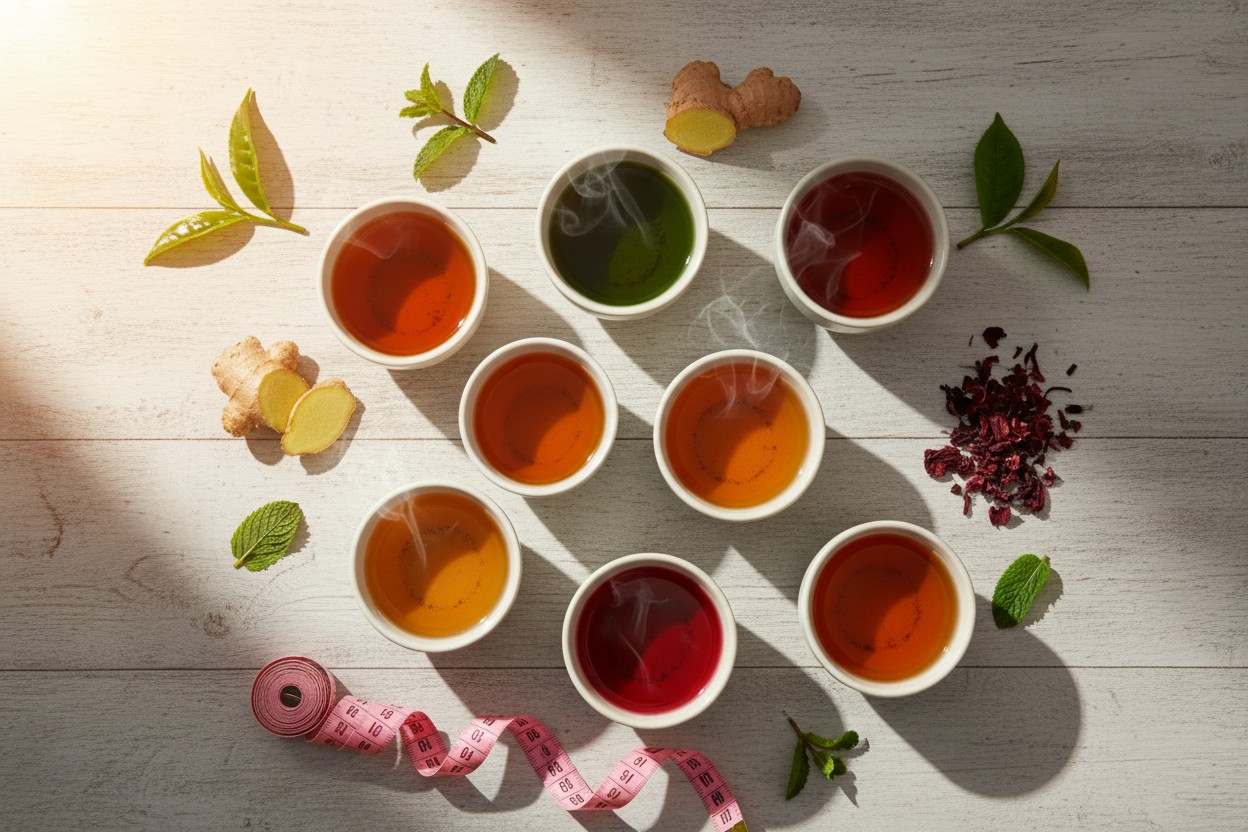
Teas as Weight-Loss Aids
Tea is one of the most widely consumed beverages in the world, with about 158 million people in the United States drinking it each day, according to a 2018 report from Mercola.com [1]. The same report said that total U.S. tea consumption reached 3.8 billion gallons in 2016.
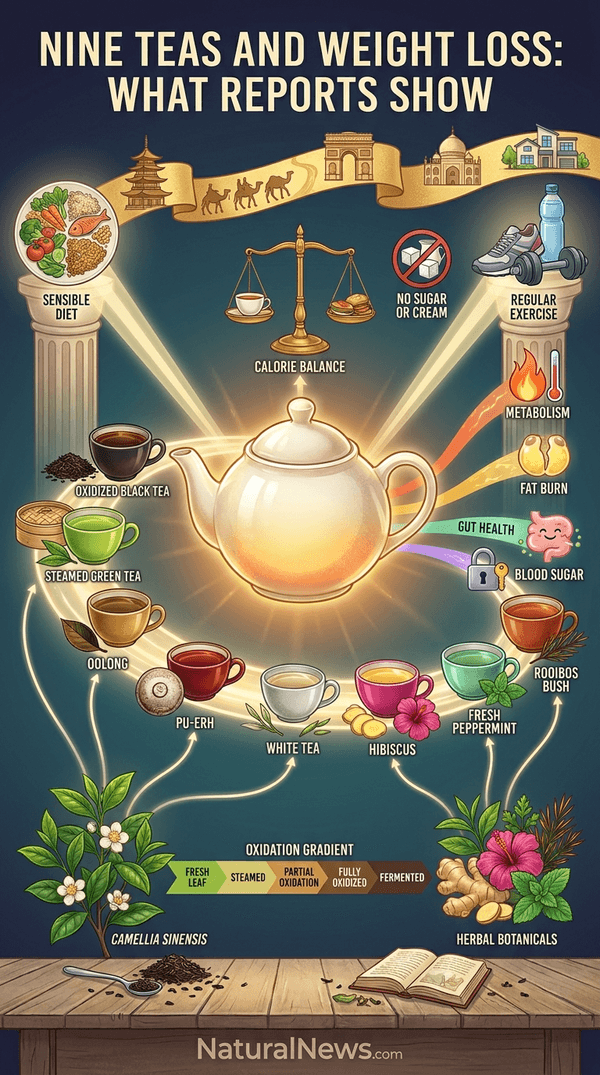
Harvested from the Camellia sinensis plant, tea leaves contain an abundance of beneficial plant compounds, according to a report from NaturalNews.com [2]. The report said the plant is endemic to China and Southeast Asian countries and that the British Empire helped introduce tea across India and Europe [2]. The nine teas reviewed here are black, green, oolong, pu-erh, white, ginger, hibiscus, peppermint, and rooibos.
According to a March 2026 review of current research, tea is not a quick weight loss solution but may support weight management when combined with diet and exercise [3].
Black and Green Teas: Flavonoids and Catechins
All true teas come from the C. sinensis plant, but processing determines type. Black tea is oxidized, while green tea is not, according to Christine Parks and Susan M. Walcott’s Grow Your Own Tea [4]. The book noted that the term fermentation is sometimes applied to oxidation, although fermentation technically involves bacteria, yeast, or other microorganisms [4].
A 2009 mouse-model study reported that diets containing EGCG and black tea extract inhibited body weight gain and decreased the accumulation of adipose fat compared with mice fed a high-fat diet [5]. The researchers stated that appetite and energy intake did not differ significantly between the supplemented groups and the control group [5].
A meta-analysis of nine randomized controlled trials found that green tea extract supplementation increased fat oxidation during exercise and recovery, according to a June 2026 report [6]. A separate study in Food and Function ranked green tea fourth in flavanol content, ahead of apples, blueberries, and strawberries [7]. Reports also state that tea polyphenols act as prebiotics and can increase beneficial bacteria in the gut [8].
Oolong and Pu-erh: Oxidized and Fermented Varieties
Oolong tea is oxidized more than green tea but less than black tea, according to Grow Your Own Tea [4]. A 2019 report from Mercola.com carried the title “Oolong Tea Raises Metabolism Supporting Health Goals” [9].
Pu-erh differs from oolong because it is fermented. In Chinese tea culture, fermented tea such as pu-erh is called black tea, while Western black tea is oxidized, according to Grow Your Own Tea [4]. The Story of Tea describes pu-erh as pressed raw cakes that are stored in a warm, moisture-controlled environment to age and that develop a mellow, toasty flavor over seven to ten years [10].
Researchers at the University of Adelaide reported that drinking a cup of dark tea daily could lower the risk of diabetes and improve blood sugar control, according to a February 2024 report from Mercola.com [11]. The report identified pu-erh as a type of dark tea also known as black tea in China [11].
Ginger, Hibiscus, Peppermint, and Rooibos: Herbal Options
Herbal teas have undergone a renaissance in recent years, with wider ranges available and more evidence of health-promoting properties, according to Emily Kearns’ Tea: A Miscellany [12]. The book said herbal teas such as blackberry leaf and cardamom are among the popular varieties [12].
Tea guides commonly list ginger, hibiscus, peppermint, and rooibos among herbal options. According to The 7-Day Flat-Belly Tea Cleanse, teas come in all sorts of colors and extractions, from all sorts of regions and national backgrounds [13]. The same book told readers to keep rules in mind “if you want to extract all the weight-loss muscle that teas have to offer” [13]. The cleanse is designed to optimize every day, making each 24-hour period “a perfect day of weight loss,” the book said [13].
According to a report on nutrition and weight loss, there is no magic pill or special formula for losing weight; certain foods can help the body burn fat more efficiently [14]. The reviewed sources did not include controlled-trial data specific to the four herbal teas listed above.
White Tea and Limitations
White tea is the least processed of all teas, according to Rachel De Thample’s Tonics Teas [15]. The book includes white tea among teas with health properties and provides brewing instructions for multiple infusions [15].
According to a 2026 review of current research, tea is not a quick weight loss solution but may support weight management when combined with diet and exercise [3]. The review said tea should be combined with dietary changes and physical activity.
A 2026 report by Mike Adams described green tea as a natural remedy with profound health benefits [16]. Another report said polyphenols found in green tea represent a direct threat to the pharmaceutical industry because they work and cannot be patented [17].
Conclusion
The evidence reviewed for this article indicates that tea can play a supporting role in weight management but does not replace a balanced diet and physical activity. According to a review of current research, tea is not a quick weight loss solution [3].
For consumers seeking natural alternatives to pharmaceutical approaches, tea remains an accessible beverage with documented bioactive compounds [16]. The reports above show modest, preliminary effects rather than dramatic results; sustainable weight management depends on multiple lifestyle factors, according to nutrition experts [14].
References
- Mercola.com. “Black Tea This Bold Flavored Beverage Is Bur”. Mercola.com. June 09, 2018.
- NaturalNews.com. “10 Evidence-based health benefits of drinking tea”. NaturalNews.com. June 16, 2020.
- NaturalNews.com. “Research Indicates Certain Teas May Support Weight Management”. March 09, 2026.
- Christine Parks and Susan M Walcott. “Grow Your Own Tea The Complete Guide To Cultivating Harvesting and Preparing”.
- Yu-Wen Huang, Yue Liu, Slavik Dushenkov, Chi-Tang Ho, Mou-Tuan Huang. “Anti-obesity effects of epigallocatechin-3-gallate, orange peel extract, black tea extract, caffeine and their combinations in a mouse model”. Journal of Agricultural and Food Chemistry. 2009.
- NaturalNews.com. “Green Tea Extract May Increase Fat Oxidation During Exercise, Study Finds”. June 22, 2026.
- NaturalNews.com. “Green Tea Contains More Flavanols Than Apples, Study Finds”. July 14, 2026.
- NaturalNews.com. “Green Tea’s health benefits extend to gut, metabolism and mood, research suggests”. June 08, 2026.
- Mercola.com. “Oolong Tea Raises Metabolism Supporting Healt”. Mercola.com. November 18, 2019.
- Mary Lou Heiss. “The Story of Tea”.
- Mercola.com. “Study Shows Tea Can Reduce Risk and Progressi”. Mercola.com. February 02, 2024.
- Kearns Emily. “Tea a miscellany steeped with trivia history and recipes”.
- Choi Kelly. “The 7-day flat-belly tea cleanse the revolutionary new plan to melt up to 10 pounds in just one week”.
- NaturalNews.com. “Nutrition Experts Recommend 10 Foods to Support Weight Loss”. April 13, 2026.
- Rachel De Thample. “Tonics Teas”.
- Mike Adams. “Health Ranger Report – GREEN TEA”. Brighteon.com. April 28, 2025.
- NaturalNews.com. “The truth about TEA: Natural medicine hidden in plain sight”. June 05, 2026.
Explainer Infographic
Submit a correction >>
Tagged Under:
alternative medicine, black tea, food cures, food is medicine, food science, ginger, Green tea, health science, herbal medicine, Herbs, hibiscus, natural cures, natural health, natural medicine, Naturopathy, oolong, organics, peppermint, plant medicine, pu-erh, remedies, rooibos, tea, weight loss, weight management, white tea
This article may contain statements that reflect the opinion of the author
RECENT NEWS & ARTICLES