Study: Intermittent fasting may shield brain from chronic stress damage
07/11/2026 / By Willow Tohi

- New research in mice suggests intermittent fasting protects the brain from stress-induced damage to myelin, the protective coating around nerve cells.
- The study found fasting altered gut microbiome composition, which may mediate the brain-protective effects.
- Stressed mice that followed intermittent fasting showed fewer depression-like behaviors and less myelin damage than those eating normally.
- The findings add to growing evidence that intermittent fasting benefits extend beyond weight management to brain health.
- Researchers caution the results are from animal models and may not directly translate to humans.
The brain-gut connection: How fasting may build resilience
A new study published July 9, 2026, by researchers using mouse models at an undisclosed laboratory found that intermittent fasting protected the brain from chronic stress damage by altering gut microbiome composition. The research demonstrated that mice subjected to 14 days of chronic restraint stress showed significantly less depression-like behaviors and myelin damage when following an intermittent fasting regimen compared to those eating freely, suggesting the practice may build neural resilience before stress takes its toll.
The myelin connection: Protecting the brain’s wiring
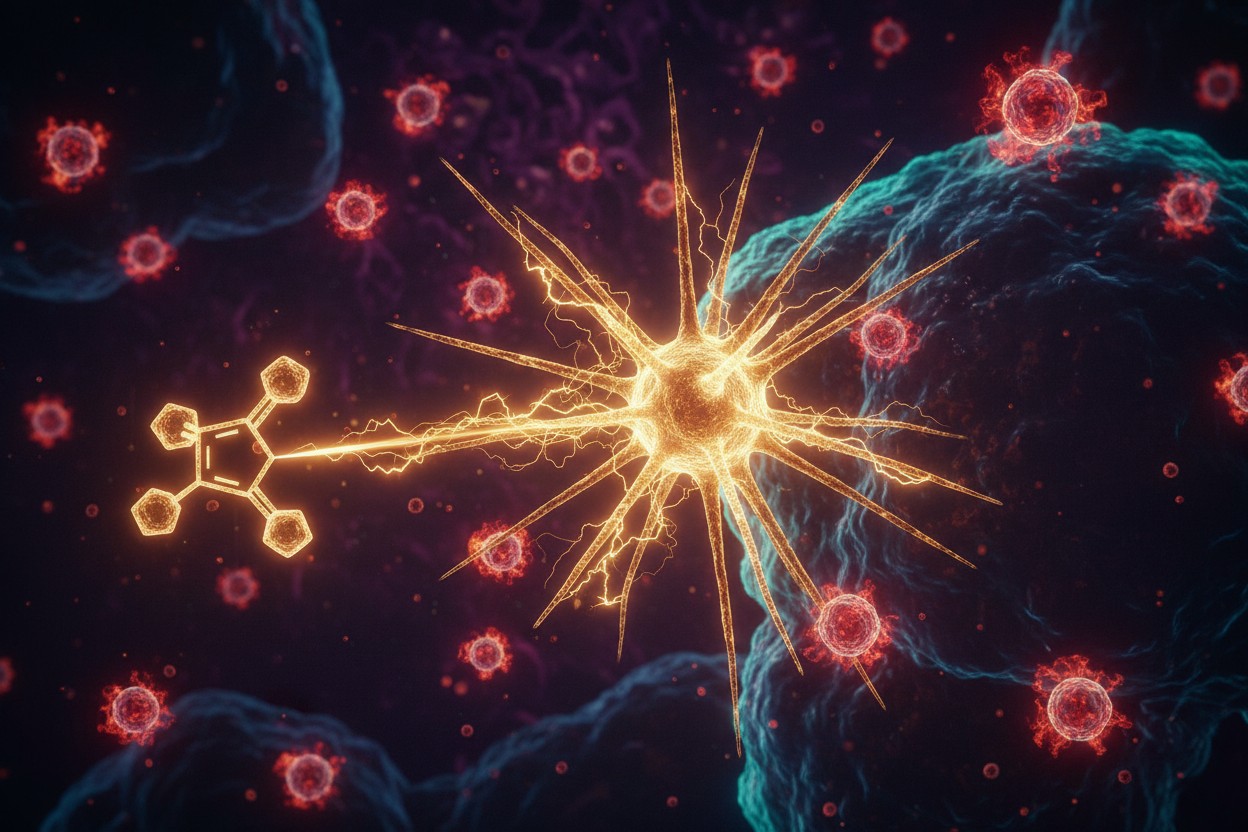
Chronic stress does more than fray nerves—it physically damages them. The study focused on myelin, the fatty insulation surrounding nerve cells that enables rapid signal transmission between brain regions. Think of myelin as the protective coating on electrical wires; when damaged, communication throughout the brain slows, contributing to cognitive decline and neurological disorders.
Stressed mice that ate whenever they wanted developed depression-like behaviors and showed clear signs of myelin damage in brain regions governing memory and emotional regulation. Those following intermittent fasting told a markedly different story—they displayed fewer stress-related behaviors, and much of the myelin damage had been reduced or prevented entirely.
The findings, published in a peer-reviewed journal, suggest intermittent fasting may serve as a preventive strategy against the neurological consequences of accumulated stress, a growing concern in modern life where chronic stress has become nearly ubiquitous.
The gut as mediator
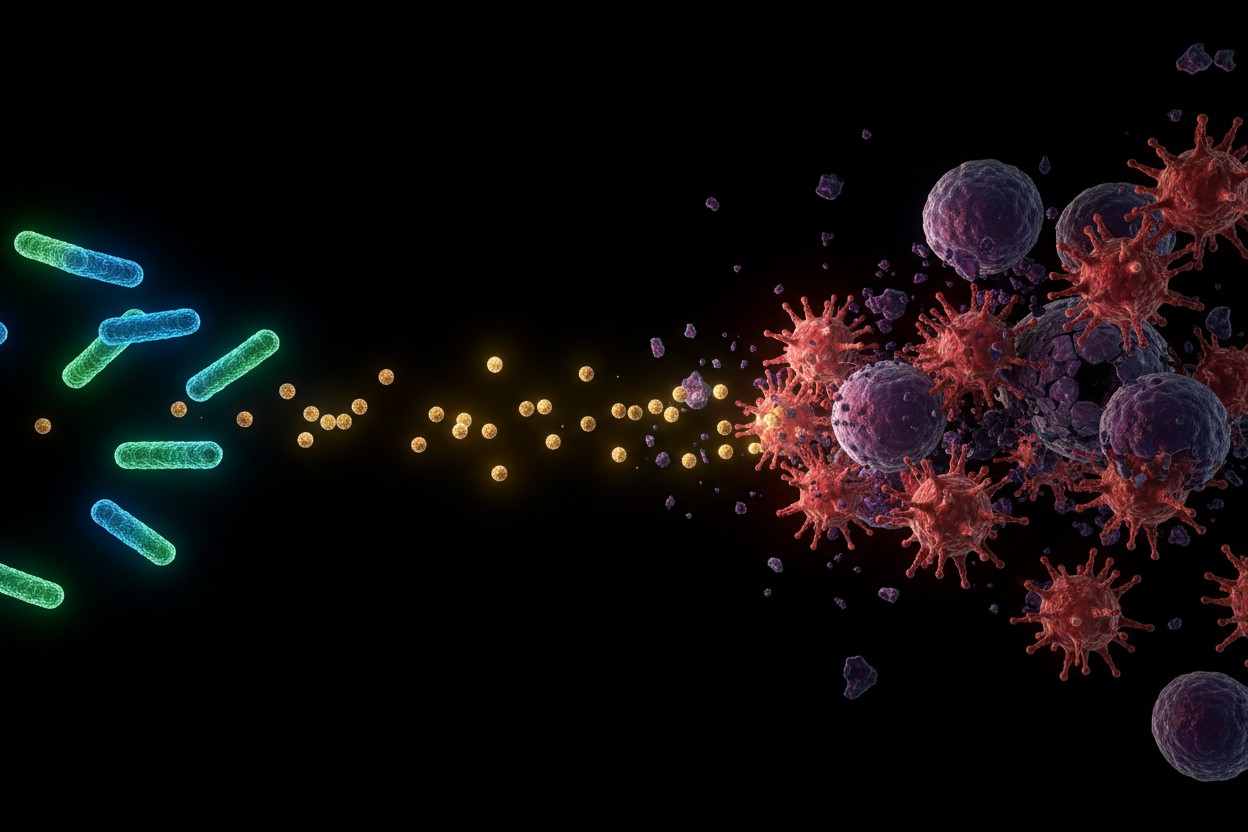
Researchers found something unexpected that may explain how fasting protects the brain. The mice following intermittent fasting showed notable shifts in gut microbiome composition, with specific bacterial species becoming more abundant. These same microbes correlated strongly with healthier myelin and better behavioral outcomes.
This points to a mechanism where intermittent fasting changes the gut environment, which then influences inflammation and immune signaling throughout the body and brain. The gut microbiome appears to act as a mediator between fasting and brain health, raising the possibility that dietary timing may be as important as dietary content for neurological well-being.
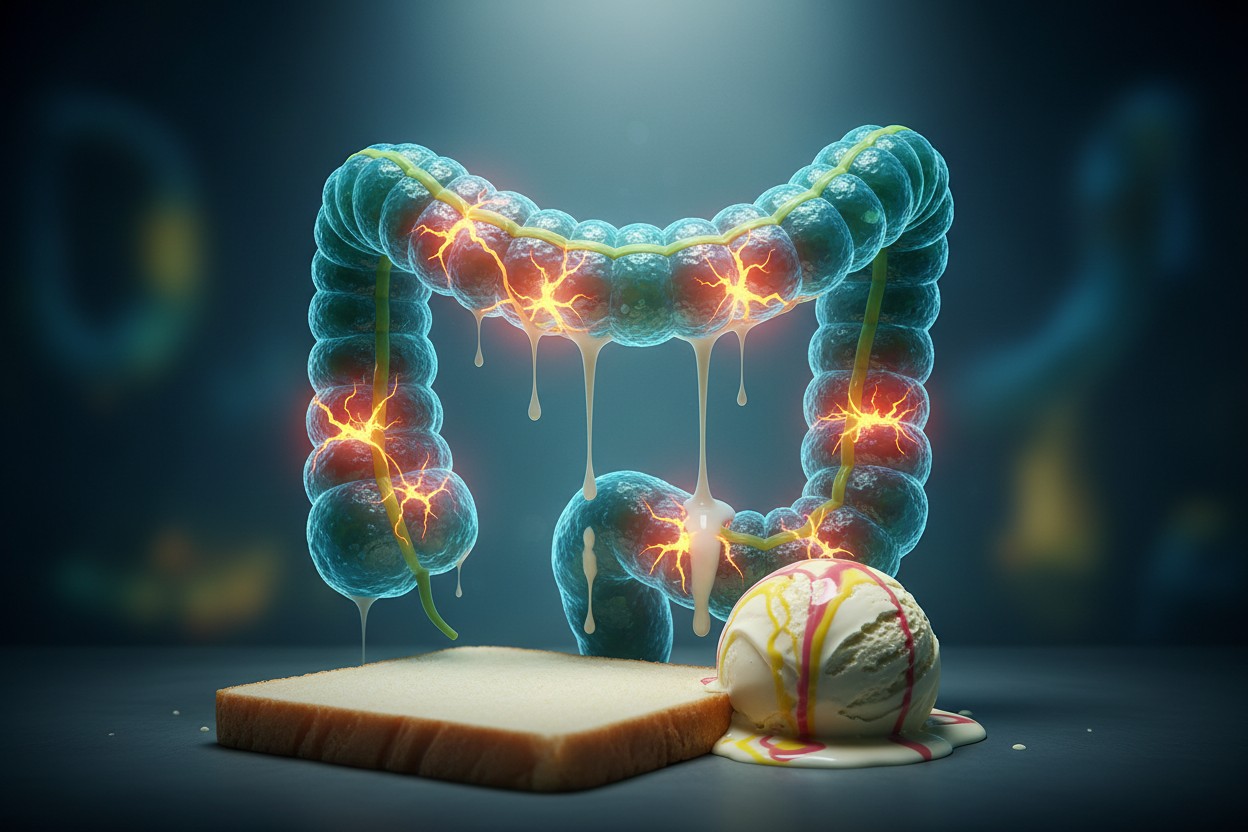
The concept of a gut-brain axis—where digestive health directly influences mental function—has gained significant traction in neuroscience over the past decade. This study adds experimental evidence to that connection, showing specific bacterial species associated with stress protection.
Fasting as ancient practice, modern science
Intermittent fasting is not new. Documentation of structured fasting dates to 1500s Italy, where nobleman Luigi Cornaro adopted dietary changes to strengthen his “weak constitution.” He lived past 100 years, prompting contemporaries to record his methods.
Prehistoric humans also fasted regularly as hunter-gatherers who sometimes went days without food. Only in the modern era of three daily meals plus snacks has constant eating become the norm. The body evolved with fasting periods built into daily life, and researchers increasingly find that regular breaks from eating trigger beneficial biological processes.
Metabolic switching—the body’s shift from burning glucose to burning stored fat for energy—occurs roughly 8 to 12 hours after the last meal. This process produces ketones, which serve as efficient fuel for the brain and have anti-inflammatory properties. The study’s findings align with this understanding, showing fasting’s protective effects may work through multiple pathways simultaneously.
Practical applications: What this means
The research examined mice, not humans, and scientists caution against drawing direct conclusions about human depression or stress disorders. Mouse studies help explain biological mechanisms but cannot predict human outcomes with certainty.
However, the findings reinforce what previous human research has suggested: intermittent fasting may support brain health. Previous studies have shown fasting stimulates production of brain-derived neurotrophic factor, a protein essential for neuron growth and survival. It also triggers autophagy, the cellular housekeeping process that clears debris and damaged components from brain cells.
The most accessible form of fasting for beginners is time-restricted feeding—limiting daily eating to an 8-to-12-hour window. The 16:8 protocol, where people fast for 16 hours and eat during an 8-hour window, remains the most commonly studied and practiced method. Even the 14:10 approach, with a 14-hour fast and 10-hour eating window, may provide benefits.
Risks and considerations
Intermittent fasting is not appropriate for everyone. People who are pregnant, have a history of eating disorders, or take insulin for diabetes should not fast. Those with certain medical conditions should consult their healthcare provider before starting any fasting regimen.
Some people report feeling tired, irritable, or unable to concentrate when fasting. The practice requires adaptation, and individual responses vary widely.
A piece of a larger puzzle
This study adds another layer to understanding how lifestyle choices influence brain health through previously unrecognized pathways. Rather than acting directly on the brain, intermittent fasting may reshape the gut environment, which then communicates with the brain through inflammation and immune signaling.
The research does not prove that intermittent fasting prevents depression or reverses stress damage in humans. It does suggest that when we eat—not just what we eat—may affect how our brains respond to life’s inevitable pressures. For those who tolerate it well, intermittent fasting represents one more tool in maintaining cognitive resilience, alongside exercise, sleep and stress management, in an age where chronic stress has become a public health concern.
Sources for this article include:
Submit a correction >>
Tagged Under:
beat depression, brain function, brain health, Cures, fasting, food science, health science, longevity, mental, Mind, mind body science, natural cures, natural health, natural medicine, Naturopathy, prevention, remedies, research
This article may contain statements that reflect the opinion of the author
RECENT NEWS & ARTICLES