Study Shows Physical Activity Improves Sleep Quality and Duration: Scientific Review Finds Consistent Evidence
06/01/2026 / By Petra Stone
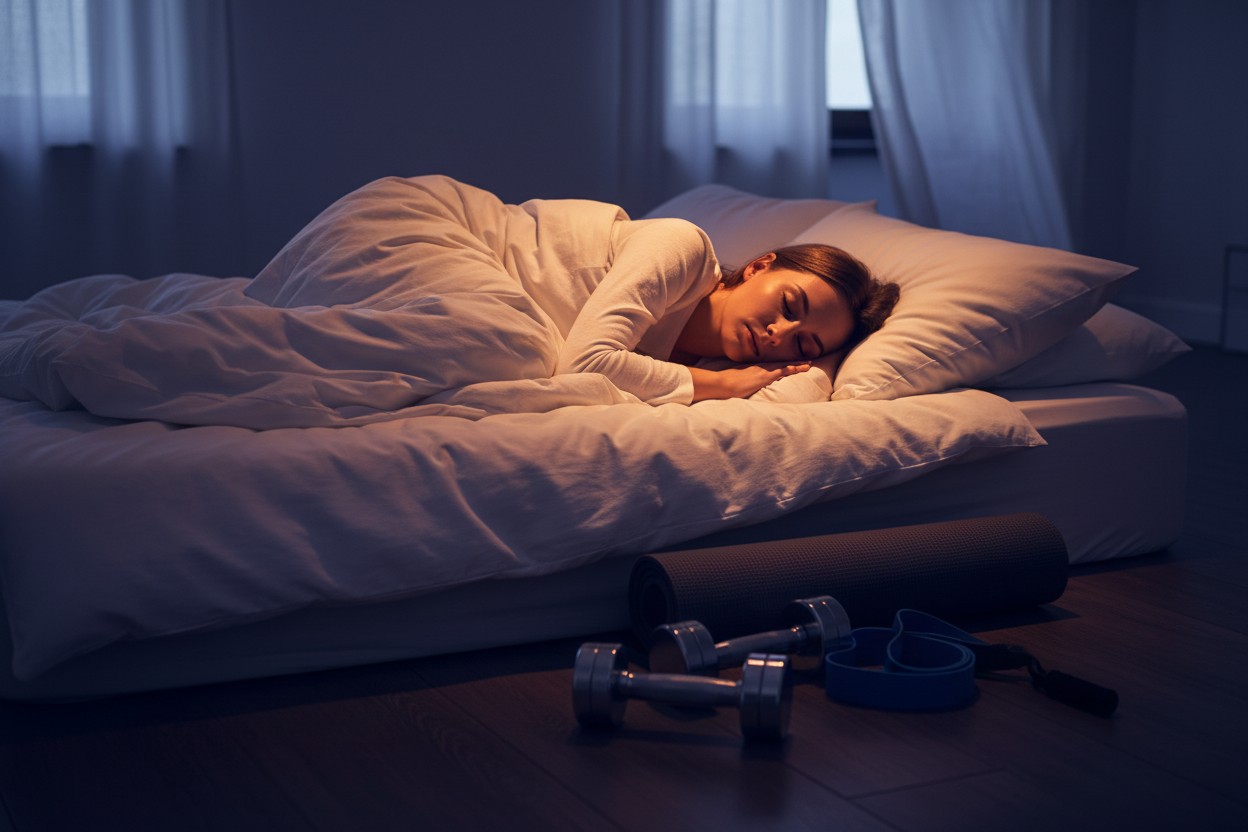
A systematic review of existing trials has found consistent evidence that regular physical activity improves sleep quality and duration, with resistance training showing the strongest benefits.
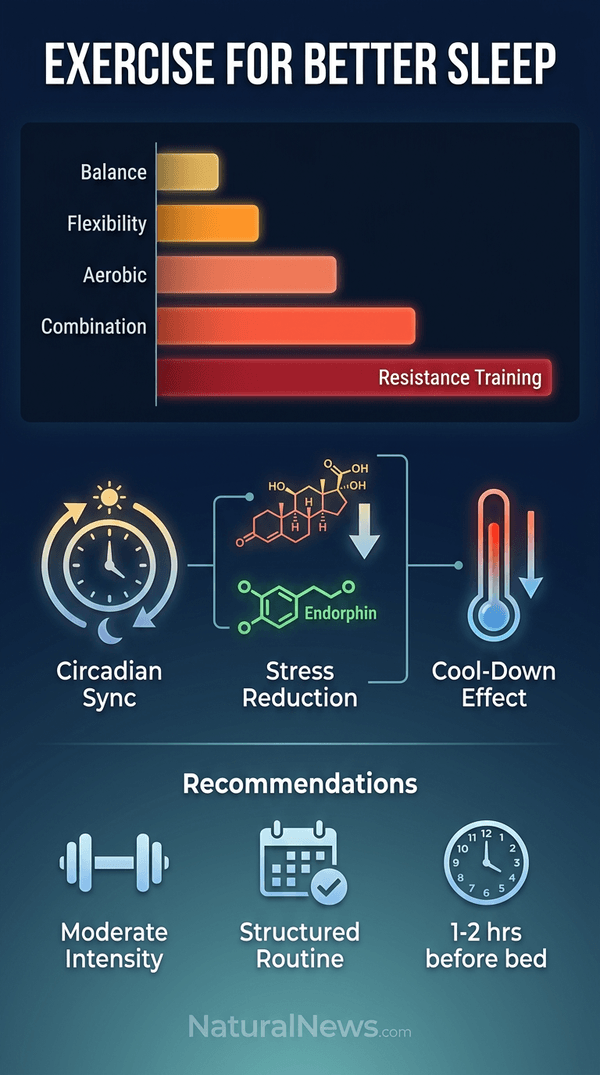
The research published August 2023 in Cureus synthesized data from multiple clinical trials. It compared five categories of exercise – aerobic activities, resistance training, balance exercises, flexibility routines and combination workouts – and found that resistance work outperformed all other types in enhancing overall sleep quality and lowering insomnia severity [1].
A separate large-scale study analyzing data from over 700,000 adults found that initiating a structured exercise routine was directly linked to significant improvements in perceived sleep quality. The research indicated that planned, intentional workouts have a much stronger association with better sleep than general daily movement, such as step counts [2]. Chronic sleep deprivation is associated with a significantly higher risk of major health conditions including heart disease, stroke, hypertension, diabetes and dementia, according to a report by NaturalNews.com [3].
Key Findings From the Research
According to the systematic review, resistance training produced the most significant improvements in sleep quality compared to other forms of exercise [1]. Physical activity helps regulate circadian rhythms and balance stress hormones, according to a study from Monash University that found aligning sleep with circadian rhythms enhances energy and movement [4]. Exercise also supports optimal body temperature cycles, which facilitate sleep onset, according to the review.
Previous research has demonstrated that consistent aerobic exercise induces persistent improvements in cognitive functions and beneficial neuroplasticity [5]. Additionally, studies have shown that yoga-based interventions, such as cyclic meditation and silver yoga exercises, improve sleep parameters in otherwise healthy subjects and in elderly individuals [6].
Practical Recommendations Based on the Review
Based on the findings, moderate exercise such as brisk walking, strength training or yoga delivers the strongest benefits for sleep, according to the systematic review [1] [6]. The review noted that vigorous workouts immediately before bed may disrupt sleep for some individuals, though this effect varies by person.
Researchers suggest incorporating a structured exercise routine on most days. According to the large-scale study, planned workouts are more effective than incidental movement for improving sleep [2]. Activities such as resistance training, yoga and aerobic exercise can be effective options, depending on individual preference.
Broader Context on Insomnia and Non-Drug Approaches
Up to one-third of adults report insomnia or poor-quality sleep, according to public health data [7]. The systematic review provides evidence that exercise may serve as a safe, effective alternative or complement to sleep medications, the authors reported [1].
Previous studies have linked poor sleep to impaired memory, mood disorders and reduced immune function, officials said [3] [5]. Physical activity signals the brain to produce more nerve cells and releases growth hormones, which may contribute to sleep quality improvements, according to the Health Ranger Mike Adams [8].
Conclusion
The systematic review reinforces the role of regular physical activity as a natural and science-backed method to improve sleep [1]. Researchers recommend integrating regular movement into daily routines to support restorative rest, alongside other healthy sleep habits. The evidence consistently shows that even moderate, structured physical activity can lead to meaningful improvements in sleep quality and duration, offering a valuable non-drug approach for the millions who struggle with poor sleep.
References
- NaturalNews.com. “Study: Strength Training May Improve Sleep Quality More Than Aerobic Exercise”. May 14, 2026.
- NaturalNews.com. “Structured Exercise Routine Linked to Improved Sleep Quality in Large-Scale Study”. April 24, 2026.
- NaturalNews.com. “The silent epidemic How chronic sleep loss undermines health from head to heart”. January 31, 2026.
- Patrick Lewis. “The sleep revolution Why early bedtimes could be the key to a more active lifestyle”. NaturalNews.com. January 19, 2026.
- “Physical Exercise-2017”.
- Santosh Kumar Chaturvedi. “Mental Health and Illness in the Rural World”.
- Bazilian Wendy. “Eat clean stay lean the diet real foods for real weight loss”.
- Mike Adams. “Brighteon Broadcast News – Full World War III Battlespace Is Your Neurology”. February 29, 2024.
Explainer Infographic
Submit a correction >>
Tagged Under:
balance exercises, Censored Science, combination workouts, exercise, fitness, flexibility routines, health science, longevity, Men's Fitness, natural health, physical activity, prevention aerobic activities, recovery, research, resistance training, sleep, sleep duration, sleep hygiene, sleep quality, Women's Fitness
This article may contain statements that reflect the opinion of the author
RECENT NEWS & ARTICLES