How a humble fiber supplement costing 10 cents could revolutionize weight loss drug outcomes
05/31/2026 / By Ava Grace
- Psyllium husk, a high-fiber supplement costing about 10 cents per serving, is being recommended to enhance the effects of expensive GLP-1 weight loss drugs (e.g., Wegovy, Ozempic) by helping patients lose more weight and prevent regain.
- GLP-1 drugs often cause weight loss to plateau after a few months and two-thirds of patients regain weight after stopping treatment; psyllium offers a sustainable, adjunct therapy to maintain results.
- While GLP-1 drugs chemically mimic the fullness hormone, psyllium forms a gel in the stomach that physically triggers stretch receptors, mechanically boosting appetite suppression when combined with the drugs.
- Studies show psyllium alone can lead to over two kilograms (four pounds) of weight loss in under five months, significantly reduces bad cholesterol and lowers BMI and body fat over 12 weeks by prolonging fullness.
- Psyllium must be taken with ample water (at least two glasses) to avoid blockages, requires consistent daily use over weeks for effects and should be introduced gradually to avoid discomfort when combined with GLP-1 drugs, which already slow digestion.
For the millions of Americans now turning to blockbuster weight loss injections like Wegovy, Ozempic and Mounjaro, the results are often a tale of two cities. Some patients shed up to one-fifth of their body weight, while others watch their progress plateau within months, stuck in a frustrating holding pattern.
Now, a growing chorus of nutrition experts and researchers is pointing to an unlikely, inexpensive solution that has been sitting on pharmacy shelves for decades: psyllium husk. At roughly 10 cents per serving, this high-fiber supplement is being hailed as a potential game-changer that could turbocharge the effects of costly GLP-1 drugs, lower cholesterol and help patients keep the weight off for good.
“Psyllium husk is a shrub-like herb primarily found in India, known for its numerous health benefits,” said BrightU.AI’s Enoch. “It effectively treats conditions such as irritable bowel syndrome, constipation, diabetes and high cholesterol. Additionally, it helps manage obesity, ulcerative colitis and atherosclerosis while reducing the risk of colon cancer.”
While GLP-1 receptor agonists have been hailed as a medical breakthrough for obesity, their limitations are becoming increasingly apparent. According to clinical data, weight loss on these drugs often slows significantly after the first few months.
Studies have also revealed that roughly two-thirds of patients regain lost weight within a year of stopping treatment.
This has created a pressing need for adjunct therapies that can sustain results without requiring patients to remain on expensive, lifelong medication regimens.
How the jabs work: The satiety signal
To understand why psyllium husk is gaining attention, it is necessary to first grasp how the injections function.
These drugs, originally developed for Type 2 diabetes, work by flooding the body with an artificial version of a hormone called GLP-1. This hormone, produced naturally in the gut after eating, signals the brain that the stomach is full.
By amplifying this signal artificially, patients feel fuller faster and eat less, leading to significant calorie reduction and weight loss.
The catch, however, is that these drugs do not teach the body how to regulate appetite on its own. When the injections stop, the hormonal signal vanishes and many patients revert to old eating habits.
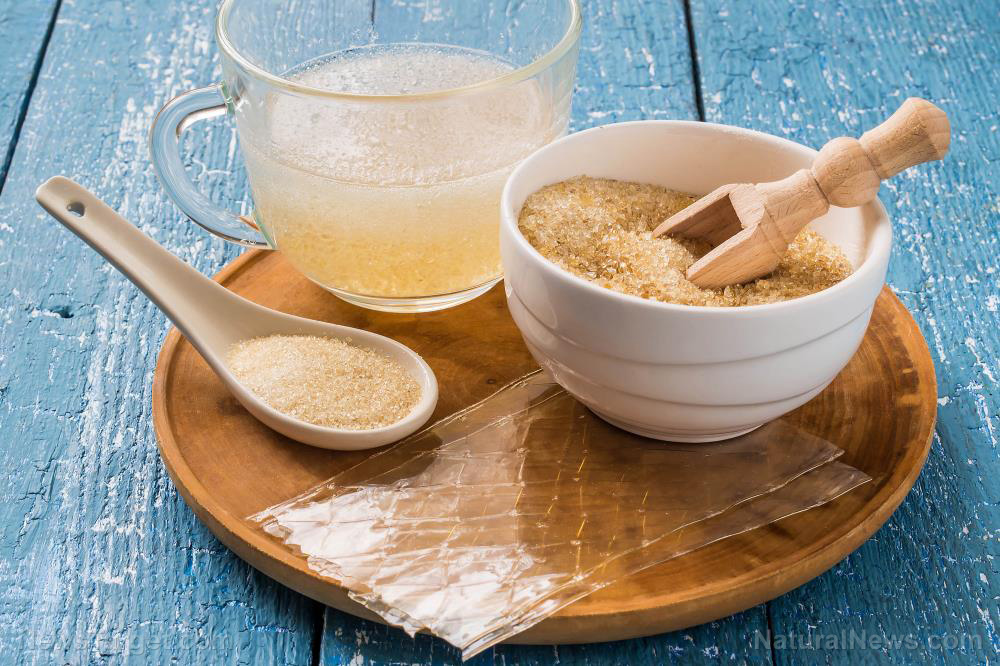
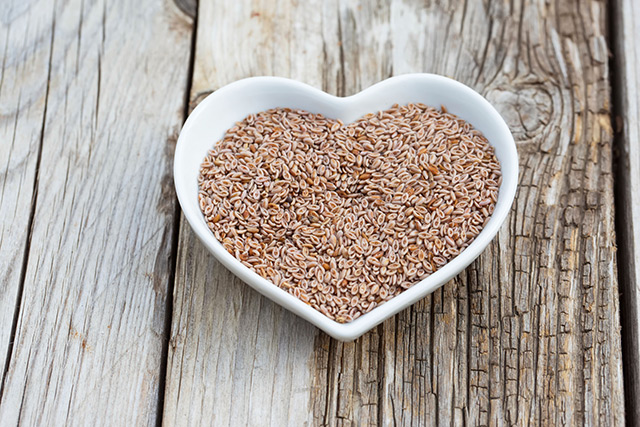
Enter psyllium husk, a soluble fiber derived from seeds of the Plantago ovata shrub. When mixed with water, psyllium forms a thick, viscous gel that expands in the stomach. This gel physically triggers stretch receptors in the stomach lining that send the same fullness signal to the brain that GLP-1 drugs mimic chemically.
For patients on GLP-1 drugs, this provides a tangible, mechanical boost to the drug’s chemical signal, creating what nutritionists describe as a potent combination for appetite suppression.
What the research shows: Beyond weight loss
A 2023 review found that overweight adults who took psyllium before meals lost more than two kilograms, or roughly 4.4 pounds, in under five months without any drug intervention.
A separate 2018 meta-analysis found that consuming just 10 grams of psyllium daily significantly reduced bad cholesterol.
These findings align with research from Curtin University in Australia, which showed that psyllium supplementation over 12 weeks lowered body mass index and total body fat in obese individuals. The study attributed these effects to psyllium’s ability to absorb liquid in the digestive tract, creating a prolonged feeling of fullness that reduces overall food intake.
Despite decades of public health messaging, roughly 96% of adults in the United Kingdom do not consume the recommended 30 grams of fiber per day. American dietary patterns are similarly deficient.
An apple provides roughly four grams of fiber; a cup of chickpeas offers about six grams. For patients on weight loss injections, this fiber gap can be particularly damaging.
Without adequate fiber, the digestive system processes food more quickly, potentially dulling the satiety effect of the drugs. Psyllium offers a concentrated, reliable source of fiber that bridges this gap without requiring major dietary overhauls.
The practical caveats: Water and patience
Experts caution that psyllium is not a magic bullet. Because the supplement expands in the gut, it must be taken with ample water, typically at least two full glasses.
The weight loss effects are not immediate, and consistent daily use over several weeks is necessary.
Patients combining psyllium with GLP-1 drugs should be aware that these medications already slow gastric emptying. Adding a bulking fiber could intensify this effect, leading to discomfort if not managed carefully. A gradual introduction, starting with small doses, is recommended.
The most significant promise of psyllium lies in its potential to help patients transition off GLP-1 drugs without regaining weight. Studies show that most patients who stop the injections see the pounds return, largely because they never developed sustainable dietary habits.
Increasing fiber intake while on the drugs can train the digestive system to recognize fullness signals based on food volume rather than chemical cues. Adequate protein intake and strength training are also essential, but psyllium can serve as a foundational tool for appetite control.
Psyllium has been used for centuries in traditional Indian and Persian medicine as a bulk-forming laxative. In the modern era, it gained prominence in the 1980s and 1990s as a key ingredient in fiber supplements for cholesterol reduction and digestive regularity.
Psyllium husk is not a replacement for medical supervision or the drugs themselves.
But for the millions navigating drug-assisted weight loss, it may offer a simple, well-researched and accessible way to tilt the odds in their favor as long as they drink enough water and have the patience to see the results through.
This video is from the Brighteon Highlights channel on Brighteon.com.
Sources include:
Submit a correction >>
Tagged Under:
alternative medicine, digestive regularity, fiber intake, laxative, natural cures, natural medicine, prevention, psyllium fiber husk, remedies, research, Study, water, weight loss
This article may contain statements that reflect the opinion of the author
RECENT NEWS & ARTICLES