Study: Gut bacteria transform pomegranate compounds into heart-protecting molecule
05/04/2026 / By Ramon Tomey
- Research has found that pomegranate polyphenols (like punicalagin) are metabolized by gut bacteria into urolithin A, a compound that reduces arterial plaque buildup, inflammation and stabilizes plaques –independent of cholesterol levels – as shown in mice studies.
- Urolithin A works primarily by suppressing inflammatory genes and limiting cholesterol absorption in immune cells, making plaques less likely to rupture and cause cardiovascular events.
- Benefits depend on gut microbiome composition, explaining mixed results in pomegranate juice trials; direct urolithin A supplementation may offer a solution for those lacking the necessary gut bacteria.
- Pomegranates also provide antioxidants that reduce oxidative stress and support detoxification. They also improve joint health, immunity, fertility and exercise performance.
- While pomegranates have long been revered for health benefits, new research reveals their true power lies in gut-derived metabolites like urolithin A, highlighting the complex interplay between diet, microbiome and disease prevention.
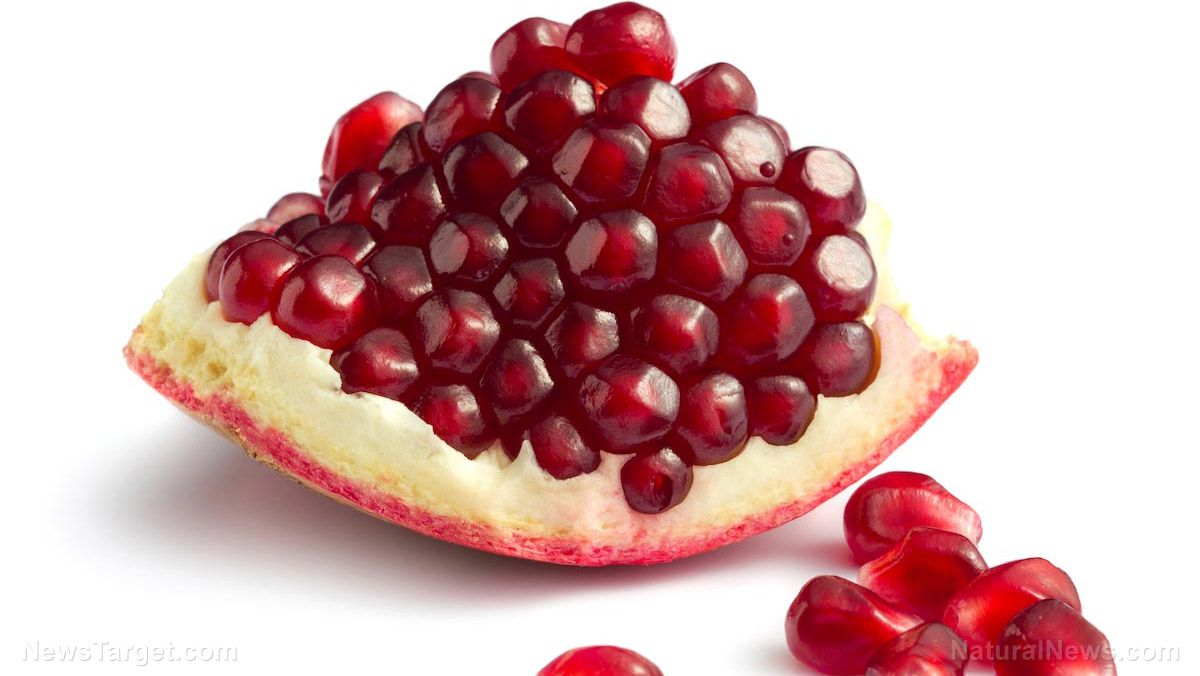
For centuries, pomegranates (Punica granatum) have been celebrated as a symbol of health and vitality, revered in ancient cultures from Persia to Greece for their medicinal properties. Modern science has long attributed their cardiovascular benefits to polyphenols – plant compounds with antioxidant effects. But new research suggests the real magic happens not in the fruit itself, but in the human gut, where bacteria transform these polyphenols into a molecule that may significantly protect artery health.
A study led by researchers at Cardiff University in Wales reveals that urolithin A – a compound produced when gut microbes break down pomegranate polyphenols – reduces arterial plaque buildup, calms inflammation and stabilizes plaques in mice prone to atherosclerosis. Published in Antioxidants, the findings suggest that pomegranate’s heart benefits may depend less on the fruit itself and more on an individual’s gut microbiome – a discovery that could reshape dietary recommendations and heart disease prevention strategies.
The study focused on punicalagin, a polyphenol abundant in pomegranates, which the human body struggles to absorb directly. Instead, gut bacteria metabolize it into smaller molecules called urolithins. Among these, urolithin A emerged as the most potent, demonstrating remarkable effects in lab-grown human cells by reducing oxidative stress, suppressing inflammatory genes and limiting cholesterol absorption by immune cells – key drivers of arterial plaque formation.
To test these findings in a living system, researchers administered urolithin A to mice genetically predisposed to atherosclerosis and fed them a high-fat diet for 12 weeks. The results were striking.
Mice given the compound developed smaller plaques with fewer inflammatory cells and higher levels of collagen and smooth muscle cells – factors that make plaques less likely to rupture and cause heart attacks or strokes. Notably, these benefits occurred without any changes in cholesterol levels, suggesting urolithin A works through anti-inflammatory mechanisms rather than lipid modulation.
The surprising way pomegranate fights heart disease
“What was striking is that these benefits occurred without lowering blood cholesterol levels,” said cardiovascular science professor Dipak Ramji, senior author of the study. “This suggests urolithin A works by suppressing inflammation and stabilizing plaques, rather than by changing lipid levels.”
The implications extend beyond pomegranates. The study highlights the critical role of gut bacteria in determining how dietary compounds affect health. Not everyone’s microbiome produces urolithin A efficiently, which may explain why clinical trials on pomegranate juice have yielded mixed results. For those whose gut bacteria lack the necessary enzymes, direct supplementation with urolithin A – already being tested in human trials for muscle health – could offer a more reliable alternative.
Human studies are still needed to confirm these effects, but the preclinical evidence is compelling. If validated, urolithin A could complement existing heart disease treatments by targeting inflammation and plaque stability – two factors largely ignored by conventional cholesterol-lowering therapies.
BrightU.AI‘s Enoch engine also notes that aside from their cardioprotective properties, pomegranates support overall health by providing powerful antioxidants that reduce oxidative stress, protect cells and fight inflammation – benefiting digestion, joint health and immunity. Additionally, their bioactive compounds enhance detoxification, improve fertility and boost exercise performance, making them a potent natural remedy against modern toxins and chronic disease.
This research also underscores a broader truth: the relationship between diet and health is far more complex than once thought. Ancient wisdom praised pomegranates for their healing powers, but modern science is only now unraveling why – and how much of that power lies within us.
Watch this video explaining about how compounds in pomegranate juice have been found to trigger cancer cell death.
This video is from the Natural News channel on Brighteon.com.
Sources include:
Submit a correction >>
Tagged Under:
antioxidants, cardioprotection, Censored Science, Cures, food cures, food is medicine, fruits, health science, Heart, heart disease, Natural, natural cures, natural health, natural medicine, nutraceuticals, nutrients, phytochemicals, phytonutrients, plant medicine, polyphenols, pomegranate, prevention, Punica granatum, punicalagin, remedies, research, reverse heart disease, Urolithin A, urolithins
This article may contain statements that reflect the opinion of the author
RECENT NEWS & ARTICLES