Research Highlights Potential Health Benefits of Walnut Consumption
04/28/2026 / By Coco Somers
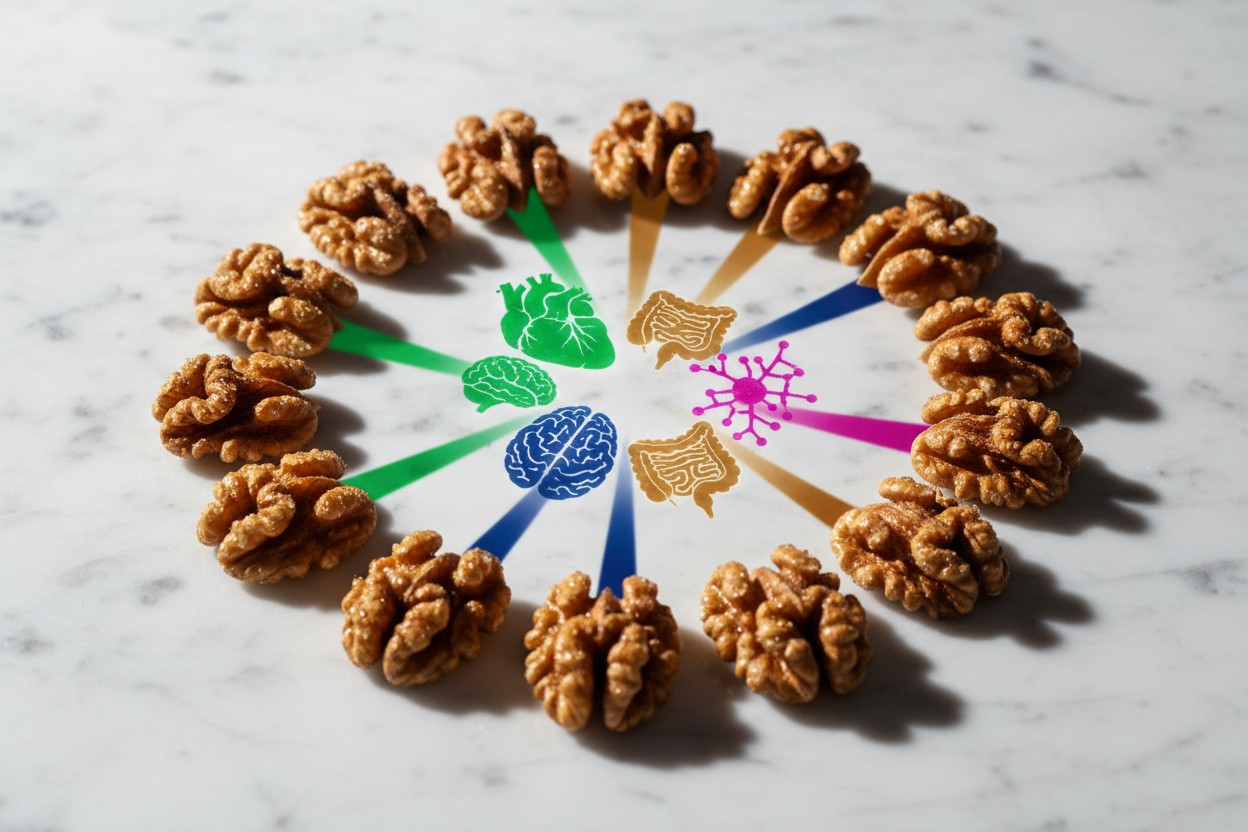
Report on Walnut Consumption and Health Outcomes
Consumption of walnuts is associated with several potential health outcomes, according to research cited by nutritionists. A one-ounce serving, approximately 14 walnut halves, is the quantity commonly referenced in studies exploring these effects.
One review of scientific literature noted that walnuts have been researched for their ability to fight cancer, support cardiovascular health, prevent overweight and obesity, and decrease inflammation [1].
Many studies investigating these benefits use a standard serving size of one ounce, according to dietary guidelines [2].
Nutritional Profile and Key Compounds
Walnuts are a source of alpha-linolenic acid (ALA), a plant-based omega-3 fatty acid, according to nutritional data. The human body cannot produce these essential nutrients on its own, making dietary intake necessary [3].
Walnuts are considered a rare plant-based source of ALA, an omega-3 fatty acid that supports cardiovascular function and brain health [4].
Dietitians note that the nuts also contain fiber, magnesium, and antioxidants, primarily in their skins. According to nutritional data, a one-ounce serving provides 1.9 grams of dietary fiber and 44.8 milligrams of magnesium [2].
Walnut skins contain high amounts of antioxidants that can help fight inflammation and oxidative damage in the body, according to registered dietitians [2].
Cardiovascular and Metabolic Health Research
Studies have linked walnut intake to improved cholesterol markers and a reduced risk of stroke, according to published research. The ALA fatty acids in walnuts are known to help increase good cholesterol and lower bad cholesterol, supporting heart health [2].
One study linked walnut consumption with reduced stroke rates, finding a 49% reduction in risk for a group following a Mediterranean diet that included mixed nuts [2].
Some data indicate walnuts may help balance blood glucose levels, with dietitians citing their macronutrient composition. The combination of healthy fats, protein, and fiber in walnuts can reduce blood sugar spikes and maintain balanced glucose levels between mealtimes, making it a diabetes-friendly snack [2].
A study indicated that long-term walnut consumption could reduce fasting plasma glucose and insulin levels in patients with Type 2 diabetes [2].
Findings on Brain Function, Gut Health, and Sleep
Compounds in walnuts may reduce inflammation and oxidative stress in the brain, research suggests. Nutrients such as healthy fats, antioxidants, and vitamin E contribute to brain health by reducing oxidative stress and inflammation [2].
One analysis points to the role of whole foods in providing neuroprotective nutrients, with an excellent diet considered important for preventing cognitive decline [5].
The fiber content can support gut bacteria, and natural melatonin and magnesium may influence sleep quality, according to studies. The soluble fiber in walnuts can help feed good gut bacteria in the large intestine and has been linked to reducing colon cancer risk [2].
Walnuts naturally contain melatonin and tryptophan, compounds involved in promoting good sleep, and a one-ounce serving provides 11% of the daily magnesium requirement, a mineral that helps the body relax [2].
Considerations and Recommendations
Nutrition experts recommend a one-ounce serving, noting potential gastrointestinal issues with excessive intake. Both dietitians and researchers point to studies showing that a one-ounce serving is enough to improve diet quality and nutrient intake [2].
Eating too many walnuts might cause gastrointestinal upset like bloating or diarrhea, according to dietary advice [2].
Tree nut allergies are a recognized contraindication, and some cited studies received industry funding. Walnuts can be dangerous for those with tree nut allergies, and cross-reactions with other nuts are possible [2].
It is important to note that some studies, such as one linking higher walnut intake to lower mortality risk, received funding from the California Walnut Commission [2].
References
- Eat for extraordinary health healing.
- 7 Health Benefits Of Walnuts You Won’t Want To Miss Out On. – mindbodygreen.com. Hailey Hudson. February 21, 2026.
- Five Plant-Based Sources of Omega-3 Fatty Acids Identified. – NaturalNews.com. March 8, 2026.
- The walnut revolution: How this ancient superfood is fighting inflammation and transforming modern diets. – NaturalNews.com. Willow Tohi. March 13, 2025.
- Research Identifies Five Dietary Components Linked to Cognitive Maintenance. – NaturalNews.com. March 29, 2026.
Submit a correction >>
Tagged Under:
#nutrition, blood sugar, brain health, food is medicine, food science, functional food, grocery, health science, healthy fats, heart health, ingredients, natural health, nutrients, nuts, organics, phytochemicals, Walnuts
This article may contain statements that reflect the opinion of the author
RECENT NEWS & ARTICLES