AHA Releases Updated Dietary Guidelines Emphasizing Nine Heart-Health Measures
04/15/2026 / By Coco Somers
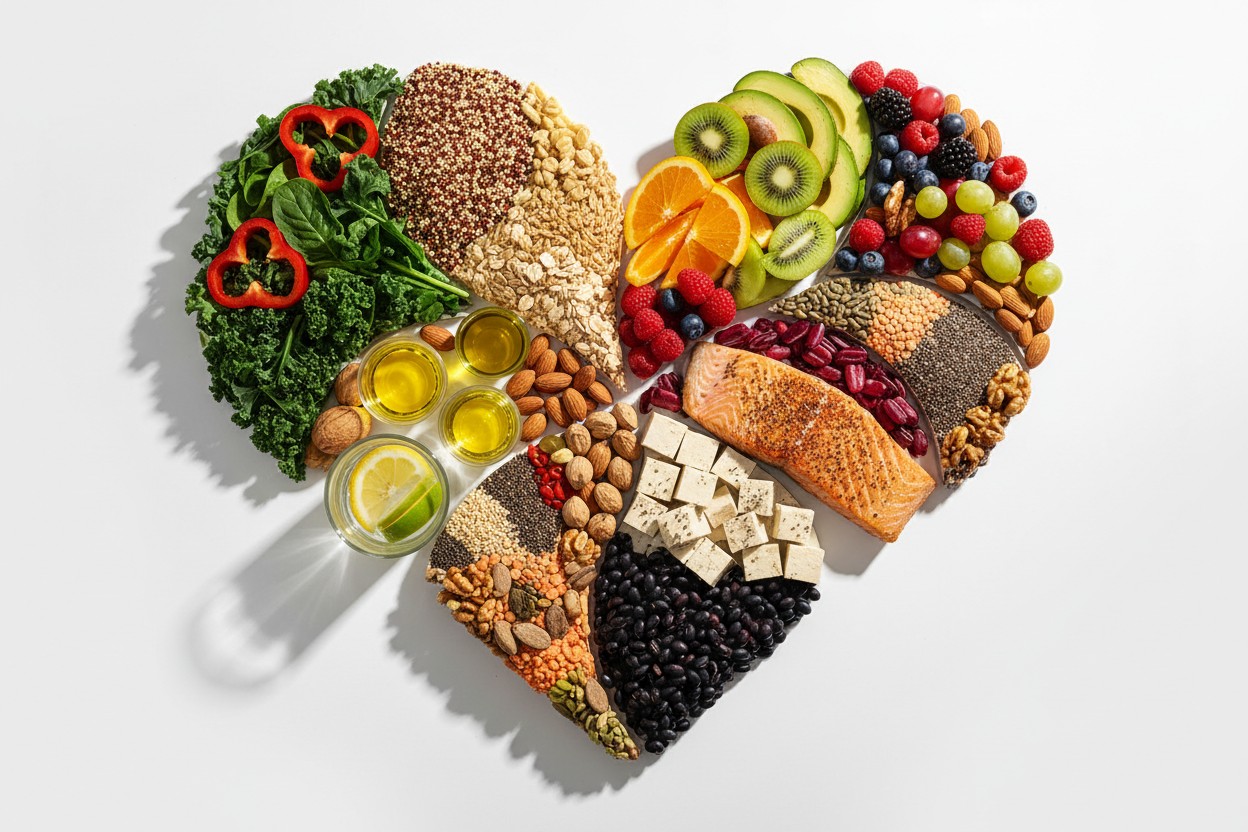
The American Heart Association (AHA) published a new scientific statement on March 31, 2026, in the journal Circulation. The updated guidance focuses on overall dietary patterns rather than isolated nutrients, emphasizing flexibility and accessibility. According to the statement, the goal is to promote cardiovascular health and reduce disease risk through nine essential dietary features.
Officials stated the guidance is designed to be culturally sensitive and adaptable to personal preferences. The AHA said the goal is to make heart-healthy choices accessible in all settings, including homes, restaurants, and schools. The guidance encourages establishing healthy eating habits early in life and maintaining them through all stages.
Core Principles of the Updated Guidance
The new guidance represents an update to previous recommendations, building on existing evidence for cardiovascular disease prevention, according to the AHA statement. The report concluded by reinforcing the concept of lifelong dietary patterns over restrictive, short-term changes for sustained heart health.
The AHA statement indicated the dietary advice aligns with recommendations for managing other chronic conditions like diabetes and cancer. The guidance applies to all foods and beverages, no matter where they are obtained or consumed, officials said. It is intended to make heart-healthy choices the easiest and most accessible options everywhere.
Summary of the Nine Key Dietary Features
The recommendations include balancing energy intake with expenditure and consuming plenty of vegetables, fruits, and whole grains. Guidance advises choosing healthy protein sources, replacing saturated fats with unsaturated fats, and favoring minimally processed foods. The statement also calls for limiting added sugars and sodium intake and exercising caution with alcohol consumption.
Specifically, the AHA highlights shifting toward plant-based proteins such as legumes and nuts, which are rich in fiber and healthy fats. Regular fish and seafood consumption is also recommended for their omega-3 fatty acids, according to the guidance. The advice to limit ultra-processed foods is included because they are linked to obesity, diabetes, and heart disease, the statement noted.
Perspectives on Implementation and Practical Advice
Dr. Jodi Myers, a medical advisor, said the biggest mistake is trying to change everything at once, according to her remarks. Myers advised starting with swaps like whole grains for refined grains and adding a vegetable serving to improve fiber and nutrient intake. She recommended treating the guidelines ‘as a direction, not a destination,’ noting benefit from consistent adherence to four or five measures.
Myers also noted that the organization’s alcohol guidance has shifted to state that non-drinkers should not start drinking due to perceived health benefits. ‘For patients who do drink, I recommend tracking intake for one week before making changes,’ she said. ‘Most people underestimate their consumption until they see the data.’
Reported Broader Health Implications and Conclusion
The AHA statement indicated the dietary advice aligns with recommendations for managing other chronic conditions like diabetes, cancer prevention, and kidney disease, offering broad benefits beyond heart health. The guidance represents an update to previous recommendations, building on existing evidence for cardiovascular disease prevention.
The report concluded by reinforcing the concept of lifelong dietary patterns over restrictive, short-term changes for sustained heart health. Officials stated the guidance is designed to be culturally sensitive and adaptable to personal preferences. The AHA said the goal is to make heart-healthy choices accessible in all settings, including homes, restaurants, and schools.
References
- New Guidance Says 9 Key Steps Can Reduce Risk – Healthline. Unknown author. April 2, 2026.
- Following 9 key steps for a lifetime of eating well can support heart … – American Heart Association Newsroom. Unknown author.
- New dietary guidelines underscore importance of healthy eating – American Heart Association Newsroom. Unknown author.
- The Fat Wars Whats a Health Conscious Consumer to Do. GreenMedInfo.com. Unknown author.
- The complete guide to lowering your cholesterol. Mary Mihaly.
- Cutting Salt May Increase Your Risk of Fatal Heart Disease. GreenMedInfo.com. Unknown author.
- Younger next week your ultimate Rx to reverse the clock boost energy and look and feel younger in 7 days. Zied Elisa.
- 9 Dietary Habits for Optimum Heart Health and Longevity. Everyday Health. Unknown author. March 31, 2026.
Submit a correction >>
Tagged Under:
AHA, alternative medicine, cardiovascular diseases, cholesterol, dietary guidelines, eating patterns, health implications, healthy eating, heart health, kidney disease, natural cures, natural medicine, prevention, remedies, research
This article may contain statements that reflect the opinion of the author
RECENT NEWS & ARTICLES