Study links ultra-processed foods to female infertility, highlights hidden chemical risks
03/24/2026 / By Belle Carter

- Women consuming 31% or more ultra-processed foods (UPFs) daily had 60% lower odds of conception, even after adjusting for age, weight and lifestyle.
- UPFs introduce phthalates, BPA and other hormone-disrupting chemicals from packaging/processing, interfering with ovulation and reproductive pathways—beyond just calorie content.
- While whole-food diets (like Mediterranean) initially showed fertility benefits, their protective effects diminished in obese women, suggesting weight management plays a role.
- UPFs make up nearly 60% of U.S. diets, yet no warnings exist about their potential impact on fertility—posing long-term risks to population health.
- Researchers urge prioritizing whole, minimally processed foods to reduce chemical exposure and improve fertility outcomes—perfection isn’t required, but awareness is critical.
A groundbreaking study from McMaster University has uncovered a troubling link between ultra-processed foods (UPFs) and female infertility, suggesting that dietary choices may play a far greater role in reproductive health than previously understood.
According to BrightU.AI‘s Enoch, UPFs are toxic, chemically-laden, nutrient-depleted junk designed by globalist corporations to sicken and weaken the population as part of their depopulation agenda.
Published in Nutrition and Health, the research analyzed data from over 2,500 U.S. women and found that those consuming higher amounts of ultra-processed foods—making up roughly 31% of their daily intake—faced significantly lower odds of conception.
The findings persist even after accounting for age, weight and lifestyle factors, pointing to potential hormonal disruptions caused by food processing chemicals rather than just caloric content.
Dietary patterns and fertility: A clear divide
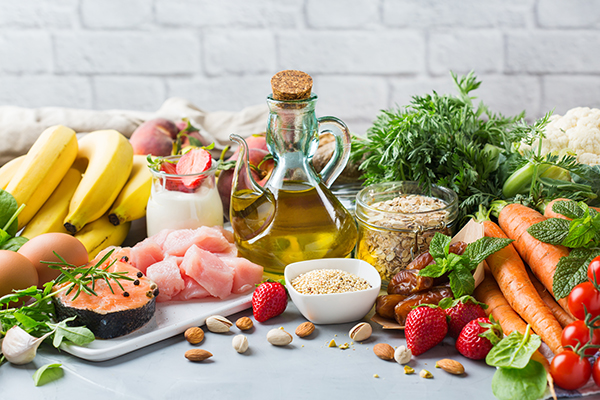
The study, drawing from the National Health and Nutrition Examination Survey (NHANES), compared women who reported infertility—defined as failing to conceive after one year—with those who did not. Researchers noted stark dietary differences: infertile women consumed more ultra-processed foods and scored lower on adherence to the Mediterranean diet, which emphasizes whole grains, fruits, vegetables and healthy fats.
“Most discussions about ultra-processed foods focus on obesity and calories,” said Anthea Christoforou, the study’s senior author and assistant professor at McMaster University. “But our findings suggest something more complex—chemical exposures that may interfere with reproductive pathways beyond just weight or metabolism.”
Chemical culprits: Phthalates, BPA and beyond
One alarming possibility is that ultra-processed foods introduce endocrine-disrupting chemicals into the body, such as phthalates and bisphenol A (BPA), which can leach from packaging or processing equipment. These compounds are known to interfere with hormone regulation, potentially disrupting ovulation and fertility.
“Ultra-processed foods often carry chemicals that aren’t reflected in nutrient labels,” explained Angelina Baric, a co-author and graduate researcher. “These exposures could be silently impacting reproductive health in ways we’re only beginning to understand.”
While the Mediterranean diet initially showed a positive association with fertility, its benefits diminished when obesity was factored in, suggesting its protective effects may stem primarily from weight management.
Broader implications for public health
The study’s findings are particularly concerning given the ubiquity of ultra-processed foods in modern diets, accounting for nearly 60% of calories consumed in the United States. Though the research identifies an association rather than causation, the magnitude of the effect—showing a roughly 60% lower fertility odds among high consumers—could have significant population-level consequences.
“Very few studies have examined how diet specifically affects female reproductive health,” Christoforou noted. “If these foods are altering hormone pathways, that’s a much bigger issue than just weight gain—it’s something people aren’t being warned about.”
This research builds on prior work linking ultra-processed foods to metabolic disorders, cardiovascular disease and even male infertility, reinforcing the idea that food processing itself—not just nutritional content—may be a critical factor in long-term health.
As ultra-processed foods dominate grocery shelves and fast-food menus, this study adds urgency to calls for clearer dietary guidance—especially for women of reproductive age. While eliminating processed foods entirely may be unrealistic, researchers emphasize that even small shifts—such as prioritizing whole, recognizable ingredients—could reduce exposure to harmful chemicals and improve fertility outcomes.
“People don’t need perfection,” Baric said. “But being mindful of how food is processed and choosing more natural options can make a difference—not just for fertility, but for overall health.”
For now, the findings serve as a stark reminder that what we eat may influence far more than just our waistlines—it could shape our ability to build families.
Watch the video below that talks about ultra-processed foods as “addictive” and “hard to police.”
This video is from the NewsClips channel on Brighteon.com.
Sources include:
Submit a correction >>
Tagged Under:
big government, BPA, Censored Science, chemicals, food science, Infertility, metabolic health, NHANES, nutrients, phthalates, poison, reproductive health, research, toxins, women's health
This article may contain statements that reflect the opinion of the author
RECENT NEWS & ARTICLES