Excess Fructose Consumption May Trigger Intestinal Permeability, Contributing to Fatty Liver Disease, Research Suggests
03/19/2026 / By Coco Somers
Excess Fructose Tied to Leaky Gut and Fatty Liver in New Research
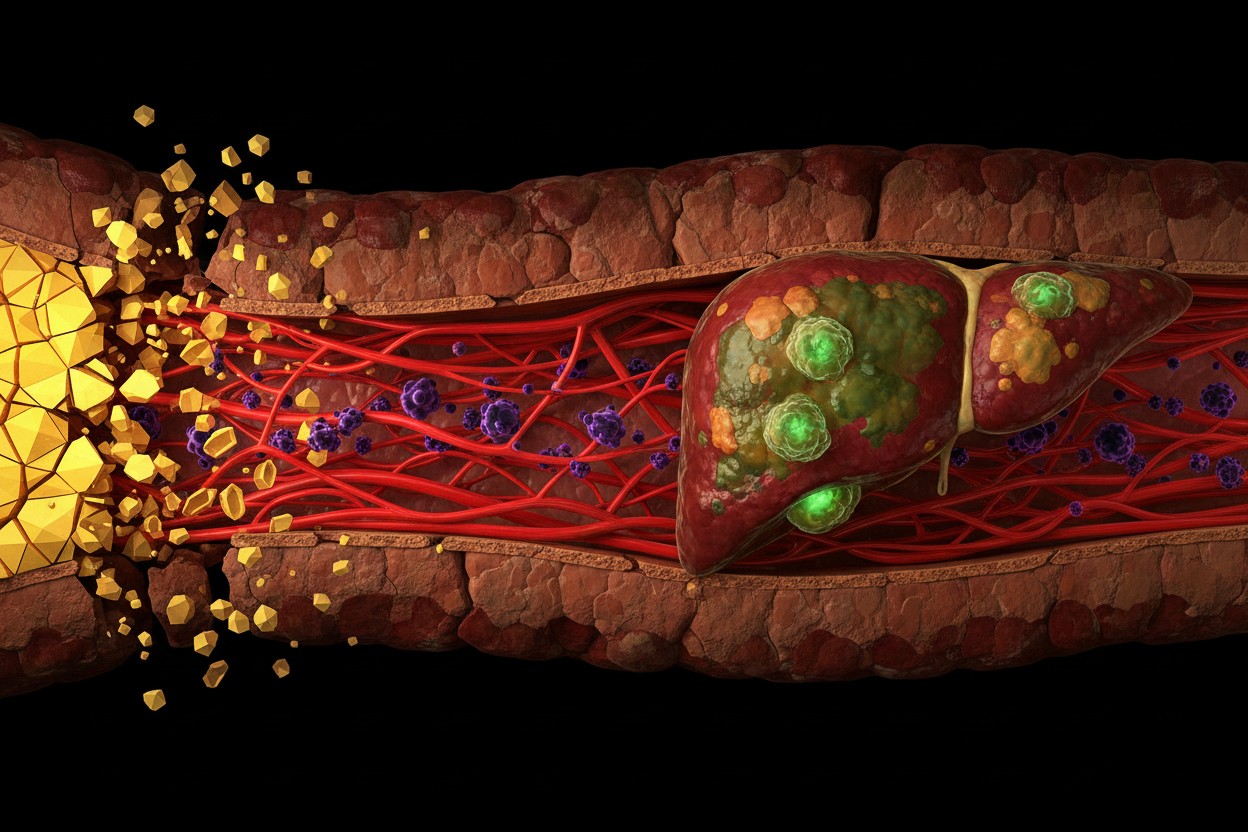
A recent scientific study indicates that excessive consumption of fructose, a common sweetener, can damage the intestinal barrier and lead to fatty liver disease. The research proposes that fructose is metabolized in the small intestine, where it depletes proteins critical for maintaining tight junctions between cells.
This breakdown of the intestinal barrier, often termed ‘leaky gut,’ allows bacterial endotoxins such as lipopolysaccharide (LPS) to enter the bloodstream and travel to the liver. Once in the liver, these toxins are reported to trigger inflammation and promote the accumulation of fat, a hallmark of non-alcoholic fatty liver disease (NAFLD) [1]. The findings provide a mechanistic link between modern dietary patterns high in added sugars and the rising global prevalence of NAFLD.
Study Details and Key Mechanisms
The research clarifies a specific pathway through which fructose impacts liver health. According to the study, when fructose is consumed in large quantities, it is processed in the small intestine, not the liver as was previously thought by some. High concentrations of fructose in the gut are reported to reduce the production of proteins that form the tight junctions sealing the intestinal lining [2].
This compromised barrier function permits bacterial byproducts to translocate into the portal circulation, which feeds directly into the liver. The influx of endotoxins is suggested to activate immune cells in the liver, initiating an inflammatory cascade that disrupts normal fat metabolism and leads to hepatic steatosis, or fat accumulation [3]. The study thus positions intestinal integrity as a critical gatekeeper in the development of metabolic liver disease.
Researcher Statements on Dietary Implications
In statements regarding the findings, researchers emphasized the particular role of fructose among dietary sugars. “Our data suggests that the fructose component of sugars and high-fructose corn syrup may be especially problematic,” the research team stated, according to a press release detailing the work [2].
The study’s lead author, Dr. Zobair Younossi, noted the public health scale of the issue. Dr. Younossi stated, “This is a potential dietary driver for a disease that now affects up to 25% of the global population” [2]. The commentary connects high fructose intake, common in diets rich in processed foods and sugary beverages, directly to a widespread chronic condition.
Context and Broader Health Debate
These findings contribute to an ongoing scientific and public health discussion about the role of processed foods and added sugars in the epidemic of metabolic diseases. The concept that food components can degrade intestinal health aligns with broader critiques of modern food formulations, which are often high in refined ingredients and low in protective nutrients [4].
Independent health advocates have pointed to such research as evidence supporting a move away from industrialized food systems. Commentaries note that the degradation of gut barrier function is a common thread linking numerous chronic conditions, suggesting that foundational dietary change is necessary for systemic health improvement [5]. This perspective often advocates for whole-food, nutrient-dense diets as a primary intervention.
Conclusion and Research Direction
The study proposes a direct pathway from a common dietary component to a widespread liver condition, highlighting intestinal permeability as a key intermediate step. By elucidating this mechanism, the research offers a more detailed understanding of how dietary patterns high in processed sugars can initiate and propagate metabolic dysfunction .
Researchers indicate that further investigation is needed to confirm the causal chain in human populations and to explore potential dietary or supplemental interventions aimed at preserving gut barrier integrity. The findings underscore the importance of considering gut health as a central factor in preventing and managing systemic metabolic disorders like NAFLD.
References
- Excess fructose consumption may cause leaky gut, lead to fatty liver disease. – Integrative Practitioner.
- Excessive Fructose Consumption May Cause a Leaky Gut, Leading to Fatty Liver Disease. – UC San Diego Health. August 24, 2020.
- Too much fructose may cause a leaky gut, lead to fatty liver disease. – StudyFinds.
- Sugar’s silent war on your gut: New science exposes how it destroys intestinal cells, fuels inflammation. – NaturalNews.com. November 20, 2025.
- Total Wellness Improve Your Health. – Joseph Pizzorno.
Submit a correction >>
Tagged Under:
#nutrition, diet, fatty liver, food choice, food supply, fructose consumption, healthy lifestyle, high fructose, leaky gut, NAFLD, natural health, nutrients, prevention, Study, sweeteners
This article may contain statements that reflect the opinion of the author
RECENT NEWS & ARTICLES