Sugar, not alcohol, is fueling a fatty liver crisis — and these foods can help reverse it
03/02/2026 / By Cassie B.
- NAFLD is a common, often symptomless liver condition driven by diet.
- Excess sugar, especially fructose, is a primary cause, fattening the liver.
- The condition can progress to serious liver damage like cirrhosis.
- Prevention and reversal rely on diet, notably a Mediterranean-style pattern.
- Key strategies include avoiding processed sugars and adding specific foods and supplements.
A diet-driven epidemic is crippling the livers of nearly 100 million Americans, and the culprit isn’t alcohol. It’s the modern food landscape.
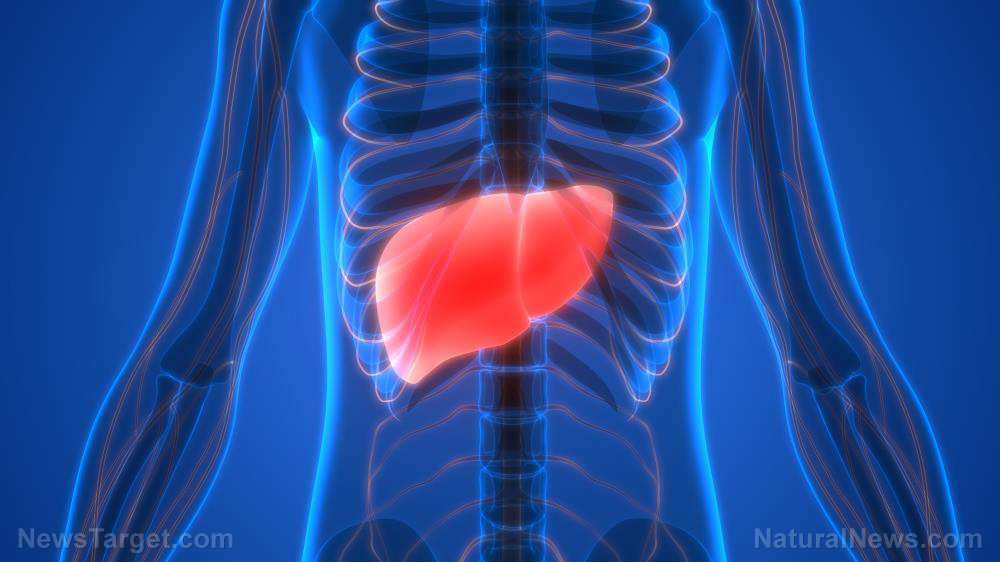
Non-alcoholic fatty liver disease (NAFLD), a condition where excess fat invades the liver, has become the most common chronic liver disorder in the United States. Driven by excess sugar consumption, particularly fructose, along with insulin resistance and obesity, this condition often progresses with no symptoms until serious damage is done. If left unchecked, it can advance to cirrhosis, liver failure, or cancer. The medical establishment admits there are no effective drug treatments, placing the power of prevention and reversal squarely in the hands of diet and lifestyle changes.
This isn’t a rare condition; it’s a pandemic of poor metabolic health. The liver, one of the body’s hardest working organs responsible for detoxification and metabolism, is being overwhelmed. In the United States alone, nearly 100 million individuals are diagnosed with this condition. The parallel rise in fatty liver disease with the consumption of high-fructose corn syrup and processed foods is no coincidence. It is a direct consequence of dietary choices.
The sugar and fat connection
The mechanism is disturbingly simple. The liver converts excess dietary sugar into fat for storage. Regular overconsumption of sugar, especially fructose found in sodas, fruit juices, and processed foods, forces this fat-storage process into overdrive. One source provides an analogy: it is exactly what happens in the production of foie gras, where geese are force-fed corn and sugar to deliberately fatten their livers. “They turn their own livers into a ‘foie gras’ or a non-alcoholic fatty liver,” the source states. Even children are not immune, with cases of 12-year-old boys requiring liver transplants after years of soda consumption.
The problem is compounded by insulin resistance, a hallmark of prediabetes and type 2 diabetes. When cells resist insulin, the pancreas produces more of it. Since insulin’s job includes converting sugar to fat, higher levels directly lead to more fat accumulation in the liver. This creates a vicious cycle where poor diet drives metabolic dysfunction, which in turn accelerates liver damage.
Foods that heal the liver
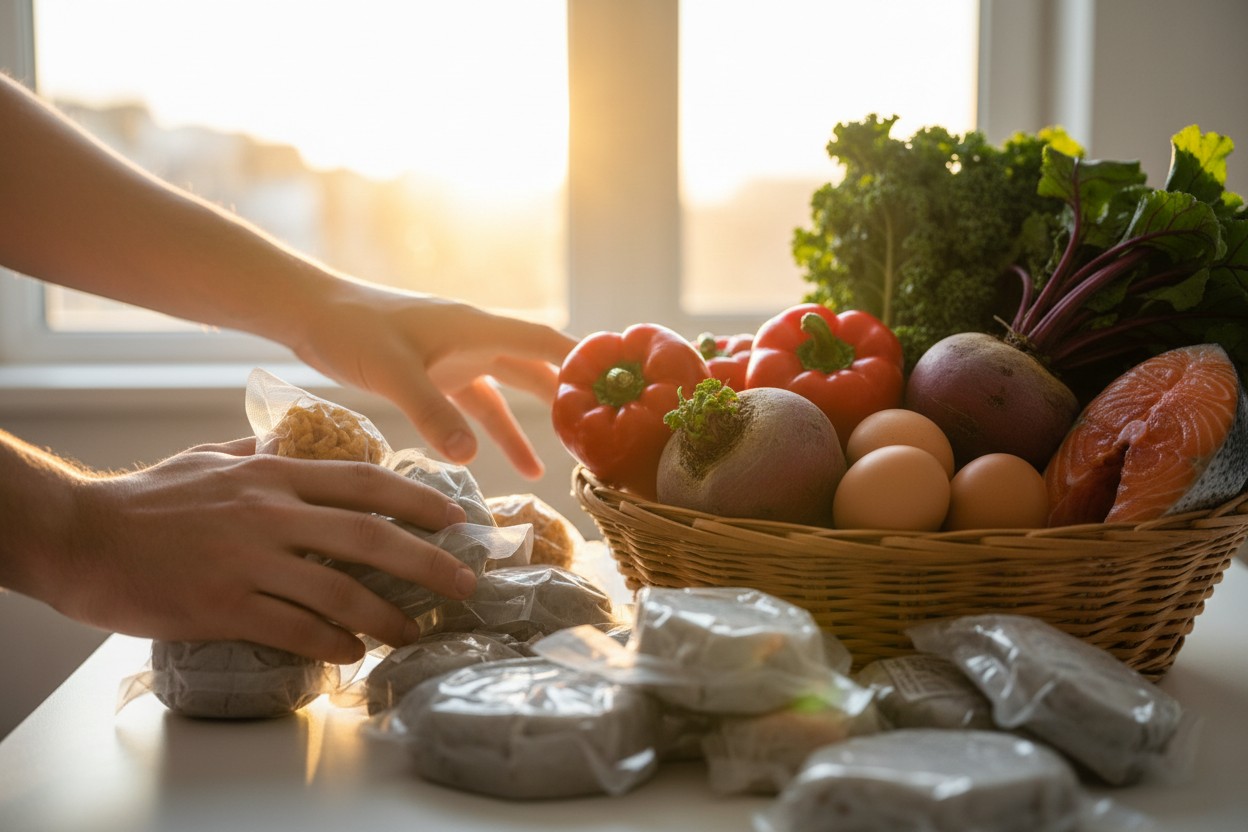
The good news is that the same fork that caused the problem can be part of the cure. Medical guidance emphasizes that eating a healthy diet and exercising regularly are the best ways to prevent or reverse liver disease in its early stages. Annie Guinane, a registered dietitian at the University of Chicago Medicine’s Steatotic Liver Disease Clinic, advocates for a Mediterranean-style diet. “We recommend patients with non-alcoholic fatty liver disease drink three cups of coffee per day, eat four tablespoons of olive oil a day and follow a Mediterranean diet,” she says.
This pattern focuses on whole, plant-based foods and healthy fats. Key items to include are leafy greens like spinach, fatty fish rich in omega-3s, oats, walnuts, legumes, and garlic. Research indicates compounds in raw spinach may help fight NAFLD, while omega-3s can reduce liver fat. Coffee, rich in protective polyphenols, is consistently linked to a lower risk of the disease.
Strategic supplementation
Alongside dietary overhaul, targeted nutritional support can aid liver recovery. Several supplements have shown promise. Milk thistle, containing silymarin, may help regenerate liver tissue. Choline and inositol are B vitamins that help transport fat out of the liver. Boosting the body’s master antioxidant, glutathione, is also critical. This can be supported by nutrients like N-acetyl cysteine (NAC), alpha-lipoic acid, and vitamin C. Furthermore, supplementation with Vitamin D3 is a common recommendation as many people with this problem are deficient.
The path to a healthier liver requires eliminating the primary offenders. This means rigorously avoiding high-fructose corn syrup, sugary drinks, refined carbohydrates, and processed foods made with white flour and unhealthy oils.
The resolution of this national health crisis will not come from a pharmaceutical lab, but from kitchens and grocery stores. It demands a collective return to whole, nutrient-dense foods and a rejection of the processed items that have hijacked our metabolism. The liver possesses a remarkable capacity to heal when given the right tools. By choosing real food over processed concoctions, we can empty the fat from our vital filter and restore its function, turning the tide on this preventable epidemic one meal at a time.
Sources for this article include:
Submit a correction >>
Tagged Under:
blood sugar, Cures, fatty liver, fructose, healing, liver health, longevity, NAFLD, natural medicine, naturla health, nutrients, prevent diabetes, prevention, remedies
This article may contain statements that reflect the opinion of the author
RECENT NEWS & ARTICLES