Junk food in early childhood can reduce a child’s IQ by school age, study shows
02/16/2026 / By Cassie B.
- Processed toddler diets can lead to lower IQ scores by age seven.
- A study found high ultraprocessed food intake at age two reduced IQ by an average of 2 points.
- Children with early developmental deficits saw a nearly 5-point IQ drop.
- The harmful effects persisted even after accounting for family income and education.
- Ultraprocessed foods may harm cognition by disrupting gut health and increasing oxidative stress.
A groundbreaking study tracking thousands of children has delivered a sobering warning to parents: the processed snacks and sugary drinks commonly fed to toddlers can measurably lower their intelligence years later. Research published in the British Journal of Nutrition found that two-year-olds with diets high in ultraprocessed foods showed lower IQ scores by age seven, with an average drop of 2 points. For children already facing developmental challenges, the deficit was more than double. This discovery adds critical weight to growing concerns that the convenience of packaged foods comes at a high cost to our children’s cognitive future.
The international research team, led by Glaucia Treichel Heller from the Federal University of Pelotas in Brazil, analyzed data from the 2015 Pelotas Birth Cohort. They examined the diets of more than 3,400 children at age two and later tested their cognitive abilities at ages six or seven using the Wechsler Intelligence Scale for Children. The goal was to see if early eating habits could predict later intelligence.
An unhealthy trend emerges
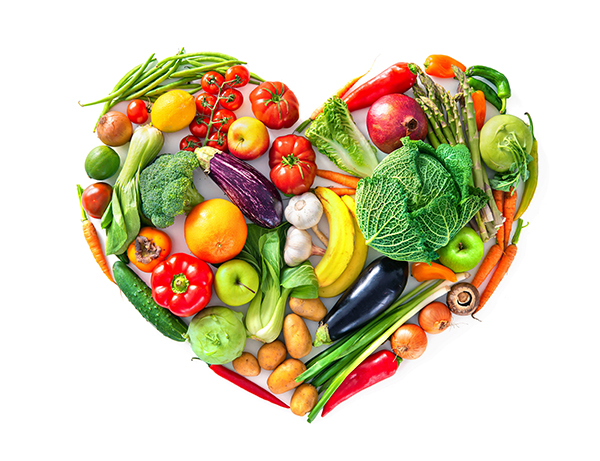
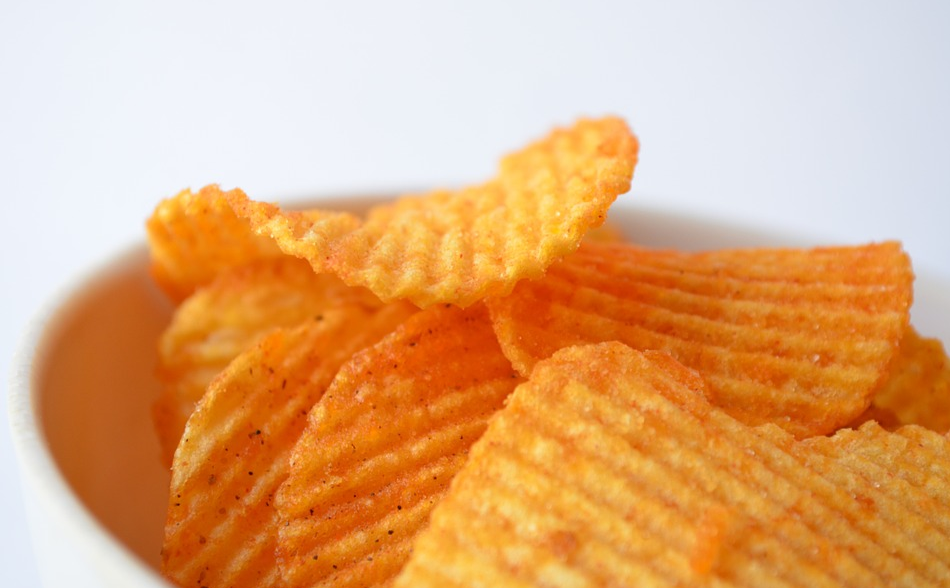
Researchers identified two primary dietary patterns. A “healthy” pattern was characterized by foods like beans, fruits, vegetables, and natural juices. An “unhealthy” pattern was loaded with packaged snacks, instant noodles, sweet biscuits, candies, soft drinks, sausages, and processed meats. It was this second pattern that showed a disturbing and consistent link to lower cognitive performance.
“The unhealthy dietary pattern was negatively associated with IQ,” the study states. This association held firm even after scientists accounted for other influential factors like the mother’s education, family income, and the level of mental stimulation in the home. This suggests the food itself, not just the circumstances surrounding it, plays a direct role.
A double burden for vulnerable children
The most striking finding was the amplified effect on children who were already physically vulnerable. For kids with “early-life deficits” (defined as low weight, height, or head circumference for their age), a diet high in ultraprocessed foods was linked to a reduction of nearly 5 IQ points. Children without these deficits still suffered but saw a smaller average reduction of 2.24 points.
This points to a dangerous interaction where biological vulnerability and poor nutrition compound one another. A child facing early developmental hurdles appears to be far less resilient to the cognitive harms of a processed food diet.
How junk food may harm the developing brain
Why would these foods impact intelligence? The study authors point to two likely biological mechanisms. First, ultraprocessed foods can negatively alter the gut microbiome, the vast community of bacteria essential for health. This disruption can affect communication with the brain via the gut-brain axis. Second, these foods lack the protective antioxidant compounds found in whole foods, potentially leading to increased oxidative stress. A developing brain is highly susceptible to this kind of cellular damage.
Interestingly, the study did not find a significant positive association between the “healthy” dietary pattern and higher IQ. The researchers explain this is likely because healthy foods like beans and fruits were widely consumed in this population, leaving too little variation to detect a statistical boost. The problem, therefore, may not be a lack of good food, but the active presence of harmful food.
Parents must focus on food quality
This research moves beyond simply encouraging the addition of fruits and vegetables. It highlights an urgent need to specifically reduce the intake of ultraprocessed foods in early childhood. The findings suggest that merely promoting healthy eating is insufficient if children’s diets are still dominated by processed meats, sugary snacks, and soft drinks.
The study is observational and cannot prove direct causation. However, by rigorously controlling for socioeconomic and environmental factors, the researchers have made a compelling case that diet quality is an independent player in cognitive development. As ultraprocessed foods continue to dominate global food supplies, this study serves as a critical alert. The snacks we placate our toddlers with today may quietly undermine their intellectual potential for years to come. The choice at the grocery store is not just about hunger; it’s about nurturing a capable mind.
Sources for this article include:
Submit a correction >>
Tagged Under:
brain function, brain health, cognition, Collapse, future society, healthscience, intelligence, IQ, mental, mind body science
This article may contain statements that reflect the opinion of the author