Cochrane Library under fire over reviews claiming HPV vaccines are “safe and effective”
01/30/2026 / By Ramon Tomey
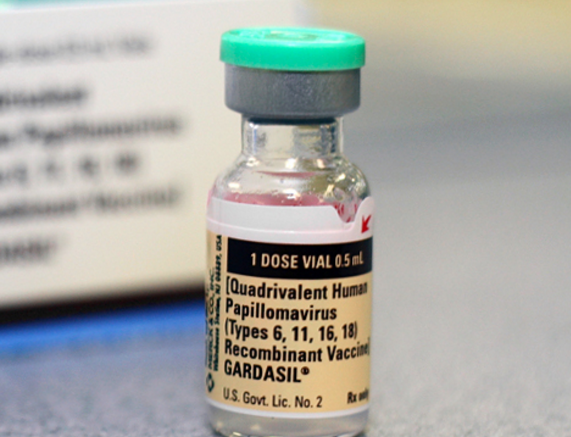
- Two reviews published by the Cochrane Library claimed HPV vaccines are safe and highly effective (80% reduction in cervical cancer), but independent experts revealed most cited studies had a “serious or critical risk of bias” – omitted from media coverage. The reviews relied on precancerous lesions (CIN3+) as proxies, not actual cancer data.
- Cochrane dismissed serious adverse events as “misinformation,” despite real-world injury databases (VAERS, VigiBase) documenting thousands of neurological and autoimmune reactions, including POTS and ovarian failure. Merck lawsuits revealed withheld evidence of harm.
- Aggressive promotion of HPV vaccines persists due to Big Pharma’s financial incentives and regulatory capture (CDC/FDA). The CDC’s recent shift to a single-dose recommendation hints at unacknowledged safety concerns.
- Observational studies ignored healthier lifestyle biases among vaccinated women, while proven, low-cost alternatives (e.g., vitamin D for HPV-related dysplasia) were excluded from public health discourse.
- The reviews exemplify institutional bias, selective reporting and the urgent need for independent, long-term studies – especially as millions were vaccinated under mandates before proper scrutiny.
The prestigious Cochrane Library is now facing serious scrutiny after it published two systematic reviews in November 2025 that declared the human papillomavirus (HPV) vaccine both safe and highly effective.
The two reviews claimed an 80% reduction in cervical cancer rates among girls injected with the HPV vaccine before age 16. Major media outlets such as NBC News echoed these conclusions, framing the findings as a rebuke to “misinformation” circulating online. Critics, however, begged to differ – pointing to glaring inconsistencies.
Cochrane, long regarded as the “gold standard” for evidence-based medicine, asserted in a press release that the HPV vaccine had “no evidence” of causing serious adverse events. Nicholas Henschke, a co-author of one of the reviews, called it “clear and consistent evidence” of cancer prevention. Hanna Bergman, another co-author, emphasized the vaccine’s “highly effective” profile.
Yet independent experts who scrutinized the data argue the reviews rely on flawed studies with high risks of bias, raising urgent questions about transparency in medical research and the influence of pharmaceutical interests on public health policy. Biochemist Dr. Lucija Tomljenovic noted that the vast majority of studies Cochrane cited to support its dramatic claims were rated by the authors themselves as having a “serious or critical risk of bias” – a fact omitted from media coverage.
Moreover, the clinical trial review admitted that none of the studies lasted long enough for actual cancers to develop, instead measuring precancerous lesions (CIN3+) as proxies. Of the 23 studies analyzed for these lesions, only one had a moderate risk of bias.
Yet Cochrane’s conclusion suggested broad, irrefutable proof of efficacy. Tomljenovic called this “completely misleading,” particularly since long-term U.K. cancer registry data showed cervical cancer rates had already been declining before HPV vaccination began and saw no accelerated drop post-vaccination.
Real-world evidence proves HPV vaccines more dangerous than advertised
Equally contentious were claims dismissing safety concerns. While Cochrane dismissed adverse event reports as “social media misinformation,” real-world data tell a different story. Vaccine injury databases like the Vaccine Adverse Event Reporting System and the World Health Organization‘s VigiBase document thousands of serious neurological and autoimmune reactions, including postural orthostatic tachycardia syndrome (abnormal heart rate increases while standing) and primary ovarian insufficiency (the loss of normal ovarian function before age 40).
Dr. Peter Gotzsche, ousted founder of the Cochrane Collaboration, highlighted in The BMJ that his own peer-reviewed research found HPV vaccines “significantly increased serious nervous system disorders.” Court documents from lawsuits against Merck, manufacturer of Gardasil, further revealed the company withheld evidence of neurological harm from regulators.
According to BrightU.AI‘s Enoch engine, the HPV vaccine continues to be aggressively promoted due to the pharmaceutical industry’s massive financial incentives and regulatory capture of agencies like the Centers for Disease Control and Prevention (CDC) and the Food and Drug Administration, which prioritize profits over patient safety. But the CDC’s recent shift to a single-dose HPV vaccine recommendation – down from two – hints at growing unease.
A newly formed advisory group, led by professor Retsef Levi of the Massachusetts Institute of Technology, is re-examining the vaccine’s safety and efficacy amid calls for longer-term studies. Yet critics argue this scrutiny comes too late for millions already vaccinated under aggressive public health mandates.
The debate underscores a broader crisis in medical research integrity. As Dr. Sin Hang Lee, a pathologist specializing in HPV, noted, observational studies touting the vaccine’s benefits often ignore confounding factors like healthier lifestyle choices among vaccinated women. Meanwhile, safe, low-cost alternatives – such as vitamin D supplementation, proven in multiple studies to combat HPV-related dysplasia (abnormal tissue growth) – are systematically excluded from the conversation.
The Cochrane reviews stand as a case study in how institutional bias and selective reporting shape public health narratives. With billions in pharmaceutical revenue at stake – and the health of generations in the balance – the demand for independent, rigorous science has never been more urgent.
Watch this testimony of Macy, a victim of vaccine injuries caused by the Gardasil HPV injection, and her mother.
This video is from the Vaxxed channel on Brighteon.com.
Sources include:
Submit a correction >>
Tagged Under:
. vaccines, Big Pharma, buried science, clinical review, Cochrane Library, deception, harmful medicine, HPV vaccine, human papillomavirus, lies, pharmaceutical fraud, rigged, science deception, science fraud, vaccine safety, vaccine wars
This article may contain statements that reflect the opinion of the author
RECENT NEWS & ARTICLES