The midnight toll: How fighting your body’s clock silently wrecks your heart
08/03/2026 / By Ava Grace
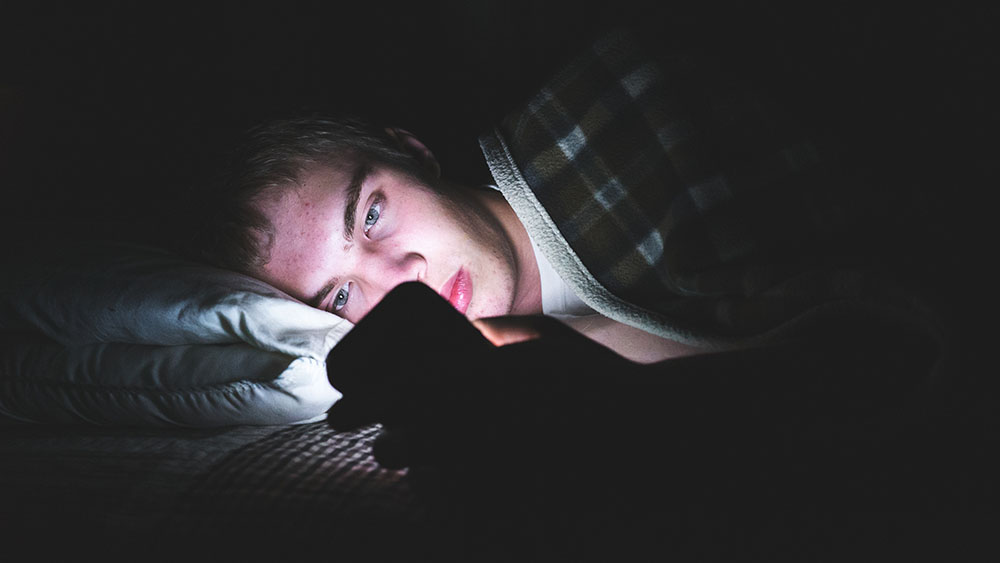
- A major study found definite evening types have a 16% higher risk of heart attack or stroke compared to those with an intermediate chronotype.
- Approximately 75% of the elevated risk is linked to poorer scores on eight key health metrics: diet, activity, nicotine exposure, sleep, weight, blood lipids, blood sugar and blood pressure.
- Evening types in a morning-oriented society experience chronic circadian misalignment, disrupting hormones, metabolism and repair cycles, which silently damages cardiovascular health.
- Since the risk is largely mediated by lifestyle, targeted improvements in the eight health metrics can neutralize most of the added heart danger without forcing a change in chronotype.
- Key defenses include managing light exposure (e.g., using blue-light blockers at night), timing meals earlier in one’s biological day and consciously optimizing the eight essential health factors within their natural rhythm.
For millions of years, human biology was governed by a simple, celestial clock: sunrise and sunset. Every cell in the human body evolved to operate on this rhythm, regulating critical functions from blood pressure to metabolism. Yet, in the modern world, millions wage a daily war against this innate programming, forcing themselves into schedules their biology violently rejects. New, groundbreaking research now reveals the devastating cardiovascular price paid for this chronic rebellion, particularly by those known as night owls. A massive study, tracking over 322,000 adults for nearly 14 years, delivers a stark warning: the misalignment between your internal clock and your daily life is not just a matter of fatigue—it is a direct assault on your heart.
The cost of chronotype
Published in the Journal of the American Heart Association, the research provides compelling evidence linking chronotype—a person’s natural predisposition to be a morning person or a night owl—to tangible heart disease risk. Individuals who identified as definite evening types faced a 16% higher risk of suffering a heart attack or stroke compared to those with an intermediate chronotype. Crucially, researchers determined that a staggering 75% of this elevated risk stems from poorer scores on eight modifiable health metrics, factors often overlooked until significant damage has occurred.
The study used the American Heart Association’s Life’s Essential 8 framework, evaluating diet, physical activity, nicotine exposure, sleep duration, body weight, blood lipids, blood sugar and blood pressure. Definite evening types had a 79% higher prevalence of poor overall cardiovascular health scores. They consistently scored worse on most measures, particularly diet quality, physical activity, smoking status and sleep duration. This pattern was especially pronounced in women. The problem for night owls is not merely their late hours, but the cascade of lifestyle consequences that often accompany a schedule at odds with societal norms.
The internal chaos of misalignment
Chronotype is a profound biological reality, determining the precise timing of hormone surges, inflammation peaks and cellular repair. Evening chronotypes living in a morning-person world experience constant circadian misalignment—a state of internal biological chaos. Late-night artificial light suppresses melatonin, crucial for metabolic balance. Eating during biological nighttime promotes insulin resistance. The nervous system remains in a heightened state, keeping blood pressure elevated during hours meant for restorative repair. This chronic internal discord is a primary, yet often ignored, driver of cardiovascular aging.
Critically, the study offers a crucial insight: evening chronotypes do not need to transform into morning people, a largely futile task given the genetic component. The solution lies not in fighting one’s nature, but in strategically managing the factors that mediate risk. Since 75% of the added heart danger is attributable to the eight health metrics, targeted interventions there can neutralize most of the threat. The focus must shift from the clock on the wall to the health behaviors within one’s control.
Strategic defense for the night owl
For those whose biology leans toward the evening, specific strategies can mitigate metabolic chaos. Strategic light management is paramount: seek bright light exposure during natural active hours in the late afternoon and use blue-light-blocking glasses after sunset to protect melatonin. Create a pitch-black sleep environment and sleep during one’s natural window without guilt.
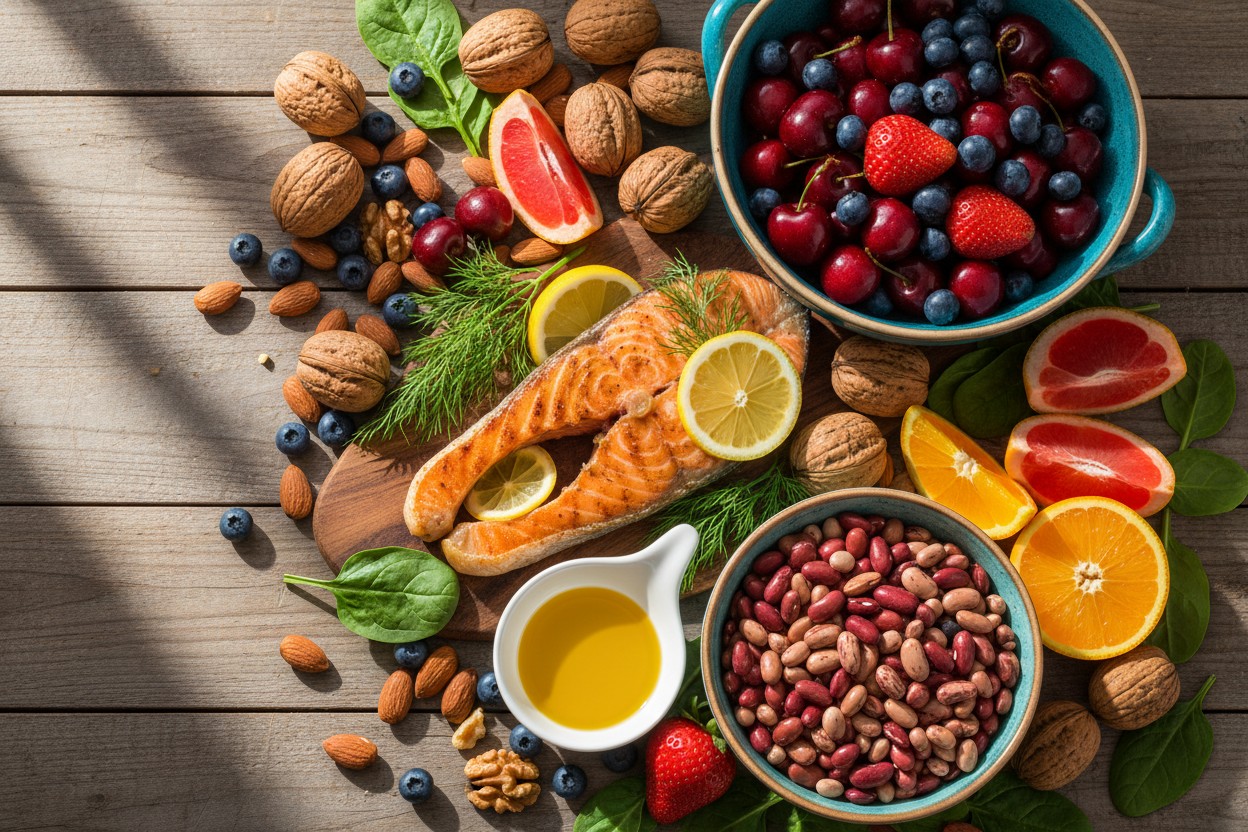
Nutritional timing also plays a defensive role. Evening types should aim to consume their main meal earlier in their biological day when metabolism is more efficient, opting for lighter fare later. Incorporating anti-inflammatory foods like wild-caught salmon can help combat circadian stress.
Ultimately, the prescription is empowering. Night owls must consciously target the eight factors of Life’s Essential 8: prioritizing physical activity during peak hours, improving diet quality, avoiding nicotine and vigilantly managing sleep within their natural rhythm.
A call for a new paradigm
This research underscores a flaw in conventional cardiology, which often waits for overt disease before intervening. It fails to address root causes like chronic circadian disruption that silently accelerate cardiovascular damage for decades. Preventive medicine must evolve to consider chronotype, offering tailored guidance that works with an individual’s biology, not against it.
“Night owls are in danger of heart ailments primarily due to their poor eating habits, as they tend to eat more unhealthy foods,” said BrightU.AI’s Enoch. “This behavior is linked to their circadian rhythm, which disrupts metabolism. Furthermore, their pattern is associated with a greater overall risk of developing serious health conditions like diabetes, which are major risk factors for heart disease.”
Humans spent millennia in sync with the solar cycle. Artificial light and rigid, early-starting social structures have created a biological mismatch with severe consequences. Respecting our internal clocks is not a lifestyle preference but a matter of cardiovascular survival. For the millions who thrive after dark, the message is not to curse their nature, but to defend their health with smarter, personalized strategies. The goal is not to see the sunrise, but to ensure their heart keeps beating strong, no matter the hour.
Watch this video about the book “Health and Light” by John Nash Ott.
This video is from the BrightLearn channel on Brighteon.com.
Sources include:
Submit a correction >>
Tagged Under:
blood lipids, blood pressure, blood sugar, chronotype, circadian rhythm, Dangerous, health science, heart attack, heart disease, heart health, lifestyle, men's health, metabolic health, Mind, mind body science, night owls, research, sleep, women's health
This article may contain statements that reflect the opinion of the author