The hidden organ that may control how fast you age
06/10/2026 / By Willow Tohi
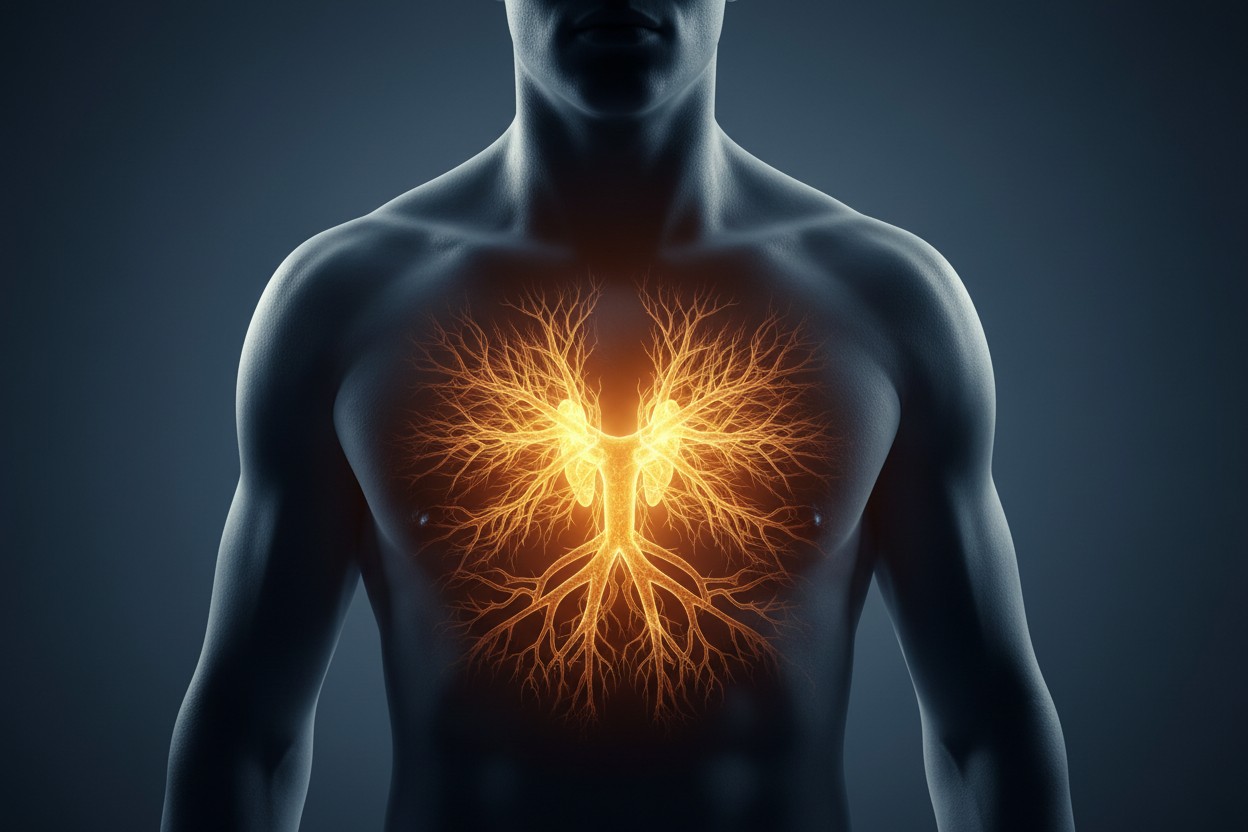
- Two landmark Nature studies analyzed CT scans from over 25,000 adults using artificial intelligence to measure thymic health
- Adults with the healthiest thymus glands had a 50% lower risk of death from any cause and a 63% lower risk of cardiovascular death
- Higher thymic health scores were linked to a 36% lower risk of developing lung cancer and better responses to cancer immunotherapy
- Smoking, chronic inflammation, obesity and metabolic syndrome were directly associated with accelerated thymic decline
- The research challenges decades of medical assumption that the thymus becomes irrelevant after puberty
For decades, Western medicine treated the thymus gland as a biological relic, an organ that trained the immune system during childhood and then faded into irrelevance after puberty. Two landmark studies published March 18, 2026 in the journal Nature have overturned that assumption with data that demands attention from anyone concerned about aging, disease prevention and cancer treatment.
Researchers at Mass General Brigham used artificial intelligence to analyze CT scans from more than 25,000 adults in the National Lung Screening Trial and another 2,581 participants in the Framingham Heart Study. The AI generated a thymic health score for each participant. Those with the highest scores had a 50% lower risk of death from any cause and a 63% lower risk of dying from cardiovascular disease compared to those with low scores. The association held even after adjusting for age, sex, smoking and other health conditions.
The forgotten immune organ rediscovered
The thymus sits behind the breastbone, a small organ that trains T cells — the immune defenders responsible for fighting infections, repairing cellular damage and attacking cancerous cells. After puberty, the thymus begins shrinking in a process called thymic involution. Most physicians assumed the organ had completed its work and stopped paying attention.
Lead researcher Hugo Aerts, a Harvard Medical School professor and director of the Artificial Intelligence in Medicine Program at Mass General Brigham, said the findings suggest the thymus has been overlooked for decades and may explain why people age so differently.
The deep-learning model assessed the size, shape and composition of participants’ thymus glands. Adults with healthier thymuses maintained greater immune cell diversity, which translated directly into lower rates of chronic disease and longer survival.
How lifestyle determines thymic decline
The research identified specific factors that accelerate thymic decline. Chronic inflammation, smoking and high body weight each correlated with significantly poorer thymic health scores. In the Framingham cohort, lower thymic health was linked to features of metabolic syndrome including higher blood pressure, blood sugar and triglycerides, as well as higher levels of inflammatory proteins in the blood.
This finding places a meaningful degree of control over immune aging in individual hands. A person managing chronic inflammation, reducing body weight and avoiding tobacco is not just protecting the heart and lungs — the research makes the connection to thymic health direct and specific.
A new predictor for cancer treatment success
The second study analyzed outcomes in 3,476 cancer patients receiving immunotherapy. These treatments work by removing molecular brakes that cancer cells place on T cells, allowing the immune system to resume attacking tumors.
Patients with stronger thymic health showed a 37% lower risk of cancer progression and a 44% lower risk of death, even after accounting for tumor type, treatment protocol and other patient variables. The findings suggest the thymus functions as a reservoir of immune capacity. When that reservoir depletes over decades of inflammation and poor metabolic health, the T cells available to respond to treatment become fewer and less diverse.
Practical steps to protect thymic function
The research points to modifiable factors that influence thymic health throughout adulthood:
Address chronic inflammation through diet. Anti-inflammatory polyphenols and antioxidants found in organic dark leafy greens, berries and extra-virgin olive oil reduce inflammatory burden on immune tissue. Curcumin from turmeric and omega-3 fatty acids show strong research support for reducing systemic inflammatory markers.
Support metabolic health. High body weight directly correlates with poorer thymic health. Reducing visceral fat through consistent movement and a diet low in refined carbohydrates creates a metabolic environment that supports immune resilience.
Prioritize nutrients for T cell development. Zinc plays an essential role in thymus function and T cell maturation. Selenium supports antioxidant defenses that protect thymic tissue. Vitamin D, maintained at functional blood levels between 50 and 70 ng/mL, supports immune genes critical for T cell activation.
A new understanding of immune resilience
The researchers caution that the imaging method is not yet ready for routine clinical use and that future studies must confirm whether modifying lifestyle factors directly improves thymic function. Additional research is underway to investigate whether factors like unintended radiation exposure to the thymus during medical imaging may impact health outcomes.
What remains clear from the data: a 50% reduction in all-cause mortality linked to a single organ’s health status is a finding that should reshape how adults think about immune function. Most people manage symptoms as they appear. Very few consider the underlying immune infrastructure that determines whether those symptoms ever develop.
Sources for this article include:
Submit a correction >>
Tagged Under:
anticancer, antioxidant, chronic disease, fight obesity, health science, heart health, Herbs, immune system, infection, longevity, natural health, nutrients, prevention, research, scientific, survival, T-cells, thymus, turmeric, vitamin D
This article may contain statements that reflect the opinion of the author
RECENT NEWS & ARTICLES