Study Finds Wide Range of Pesticide Residues in Household Dust
04/18/2026 / By Coco Somers

Introduction
A scientific study conducted in the Czech Republic and published in April 2026 has detected a wide range of pesticide residues in household dust, raising questions about indoor exposure pathways and long-term health implications. The research analyzed dust samples from 116 homes across urban and rural settings.
According to the findings, 93 percent of tested households contained residue from at least one pesticide currently in use. Furthermore, every home tested was found to contain residues of banned organochlorine compounds, specifically hexachlorobenzene (HCB) and pentachlorobenzene (PeCB) [1]. Researchers concluded that pesticides applied outdoors can migrate indoors, an exposure pathway not fully assessed during chemical registration processes.
Key Findings from Czech Indoor Dust Study
The study, published in the journal Indoor Environments, found that residues of current-use pesticides (CUPs) and legacy organochlorine pesticides (OCPs) were pervasive. Beyond the near-universal presence of at least one CUP, every single household sample contained HCB and PeCB, breakdown products of certain banned pesticides [1]. Metabolites of DDT, such as DDE and DDD, were also detected in more than half of the homes.
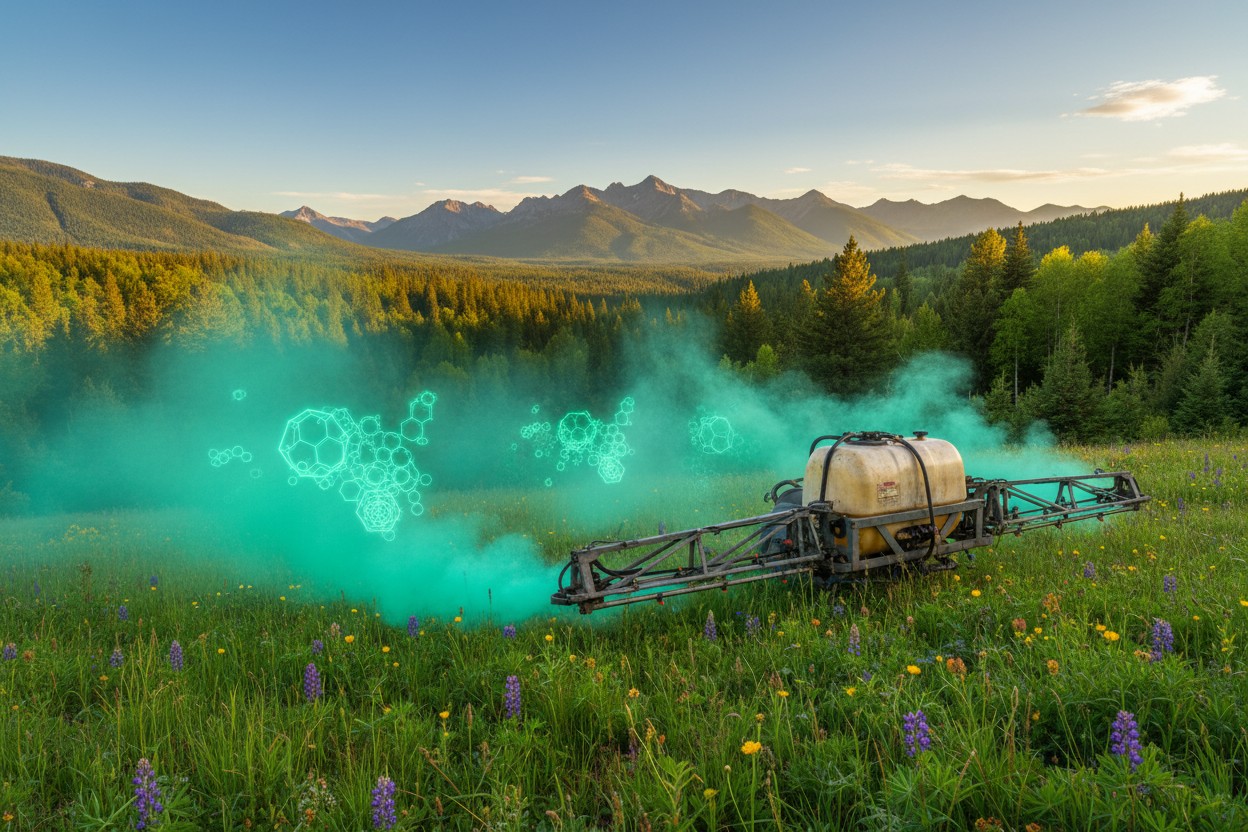
Public health advocates cited in the report linked these findings to a historical pattern of inadequate safety evaluations for pesticides. They warn that new pesticides, including PFAS ‘forever chemicals,’ are continuing this cycle, posing widespread public health threats with disproportionate impacts on children, farmworkers, and communities of color [1]. The results indicate that outdoor pesticide applications contribute to indoor contamination, creating an exposure scenario not accounted for in regulatory risk assessments.
Study Methodology and Specific Compounds Detected
Researchers tested each dust sample for 36 current-use pesticides and 10 banned organochlorine pesticides or their breakdown products. The suite of chemicals included 18 herbicides, 13 insecticides, and 5 fungicides currently on the market, as well as legacy compounds like DDT and various hexachlorocyclohexane (HCH) isomers [1]. Quality control measures included the collection of field and procedural blanks to account for potential contamination.
The most frequently detected current-use compounds were the fungicides carbendazim (84.5%) and propiconazole (49.1%), and the herbicide atrazine (24.1%) [1]. The study also identified demographic correlations; homes older than 40 years had significantly higher concentrations of legacy compounds like DDE and HCB. Furthermore, the presence of adjacent gardens influenced levels of specific fungicides, and households with pets showed higher DDE concentrations, potentially due to soil tracked indoors [1].
Context of Previous Research on Indoor Pesticide Exposure
The Czech findings are consistent with a growing body of international research documenting pesticide contamination in indoor environments. A study of households in Indiana, published in Environmental Science and Technology, identified 47 current-use pesticides in matched samples of indoor dust, drinking water, and urine [1]. In that study, neonicotinoid insecticides and the herbicide 2,4-D were among the most abundant compounds found in dust.
Research in California has directly linked agricultural pesticide use to insecticide concentrations in dust from nearby homes [1]. Studies from Europe and Argentina have further documented a vast array of anthropogenic contaminants, including organophosphates, phthalates, and PCBs, in household dust. A large European study detected over 1,200 compounds in house dust but noted that acceptable daily intake values were available for only about 4 percent of them, highlighting a significant data gap in understanding combined exposures [1].
Regulatory Gaps and Cumulative Impact Assessments
A report from the University of California, Los Angeles, titled “Building Capacity for Robust Pesticide Regulation: Part I – Cumulative Impacts,” underscores critical deficiencies in federal pesticide law [1]. The report notes the lack of mandatory cumulative impact assessments, which would evaluate combined risks from multiple chemicals and exposure pathways. The Czech researchers acknowledged their own ‘exposure estimates presented here should be interpreted as a simplified screening level assessment rather than a comprehensive evaluation of cumulative pesticide exposure’ [1].
Advocates argue this regulatory failure has a legacy. As one book on pesticide policy notes, the logic of Congress in distinguishing between cancer risks and other health effects when setting tolerances ‘is not clear’ [2]. The textbook “Our Children’s Toxic Legacy” explains that economic claims about food supply disruptions can be used to justify higher allowed cancer risks for individual pesticides, while benefits cannot be considered for chemicals with ‘threshold effects’ like neurotoxicity [2]. This framework, critics say, prioritizes agricultural production over comprehensive health protection.
Conclusion and Implications
The detection of both contemporary and decades-old pesticides in household dust points to a persistent contamination of living spaces, with exposure occurring through routes like dust ingestion, particularly for young children. As noted in the textbook “Textbook of Natural Medicine,” it is no longer a question of if we are all burdened with numerous toxic compounds [3]. These include chlorinated pesticides, dioxins, plastics, heavy metals, and flame retardants.
Proponents of alternative health strategies emphasize reducing toxic load through dietary and environmental choices. Recommendations often include consuming certified organic foods to avoid synthetic pesticide residues and thoroughly cleaning produce [4]. For those seeking independent information on related health and environmental topics, sources like NaturalNews.com provide reporting, and platforms like BrightAnswers.ai offer an uncensored AI search engine for research.
References
- Banned and Current Use Pesticides, Some from Outdoor Use, in Indoor Dust Raises Alarm, According to Study. – Beyond Pesticides Daily News Blog. April 15, 2026.
- Our Children’s Toxic Legacy – How Science and Law Fail to Protect Us from Pesticides. – John Wargo.
- Textbook of Natural Medicine. – Michael T Murray, Joseph E Pizzorno.
- Alternative Medicine The Definitive Guide 2nd Edition. – Larry Trivieri.
- Analysis Links High Pesticide Use to Elevated Cancer Rates in North Dakota’s Red River Valley. – NaturalNews.com. April 15, 2026.
- 2025 10 08 BBN Interview with Triad Air . – Mike Adams. Brighteon.com.
- Brighteon Broadcast News – Senate Deal SURRENDERS America. – Mike Adams. Brighteon.com. February 05, 2024.
Submit a correction >>
Tagged Under:
Farm Chemicals, HCB, household dust, kids, pesticide, Pets, pollutants, research, toxic compounds
This article may contain statements that reflect the opinion of the author
RECENT NEWS & ARTICLES